October's night sky offers a 'spooky' show, NASA skywatching guide says
NASA's monthly Night Sky Notes highlight the 'Demon Star' Algol and other autumn constellations visible to skywatchers this October.

NASA's September 28 feature showcases the pale beige-white hue astronomers calculated as the universe's overall average color.
NASA has given the go-ahead to its PRIMA infrared observatory, which will reuse spare hardware from the James Webb Space Telescope program to deliver major science at a reduced cost.
The full Harvest Moon lit up skies across the UK on Saturday night, prompting a wave of reader photography.
The September 27 Astronomy Picture of the Day shows the Andromeda galaxy in a before-and-after comparison highlighting the role of image processing.

A growing astronomy tourism industry is giving young women in the Himalayan village of Hanle new income, confidence, and a role as night-sky guides for visitors.

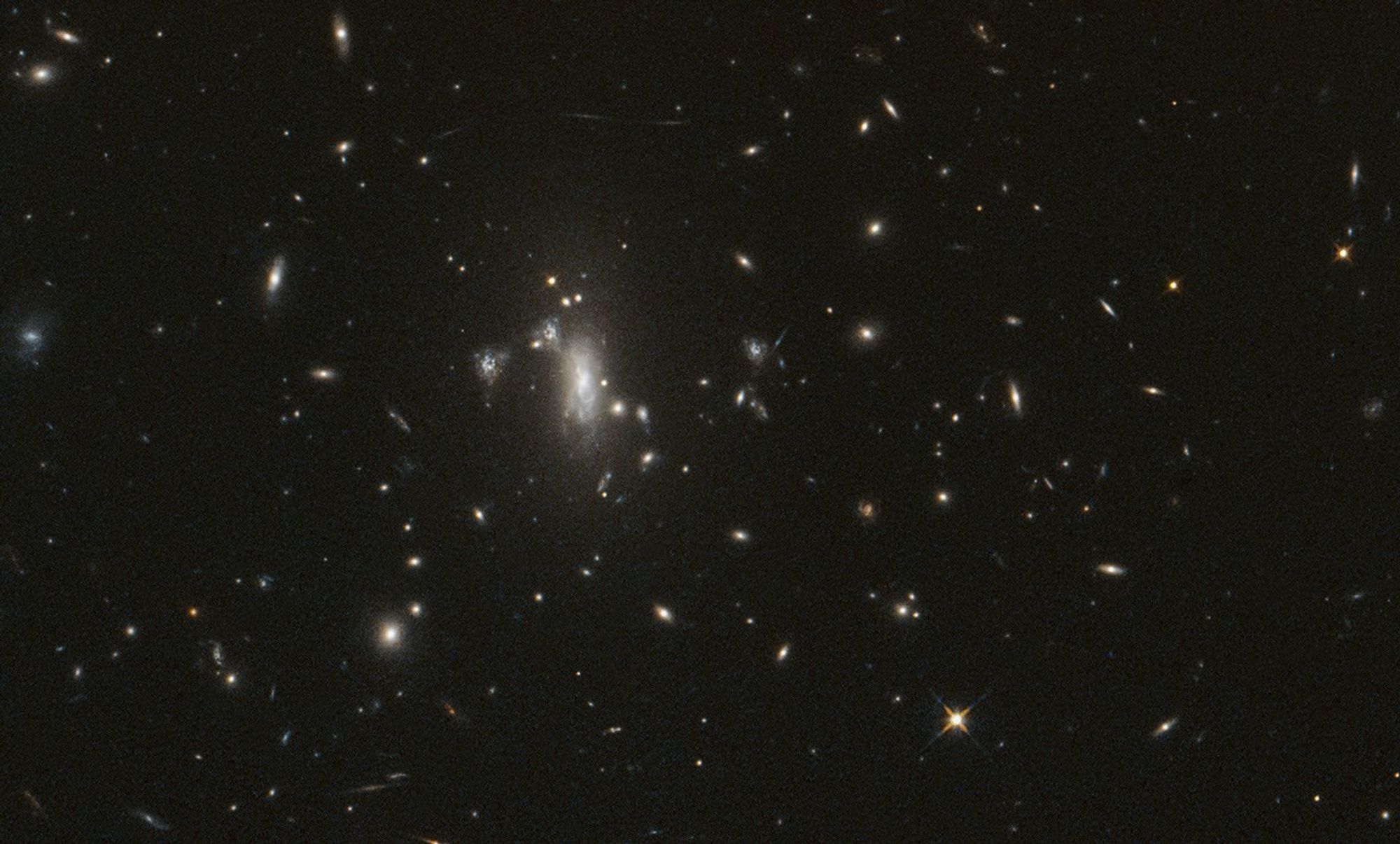
NASA's Hubble Space Telescope captured a new image of a massive galaxy cluster as it looks for the reappearance of a supernova first spotted by Webb in 2025.

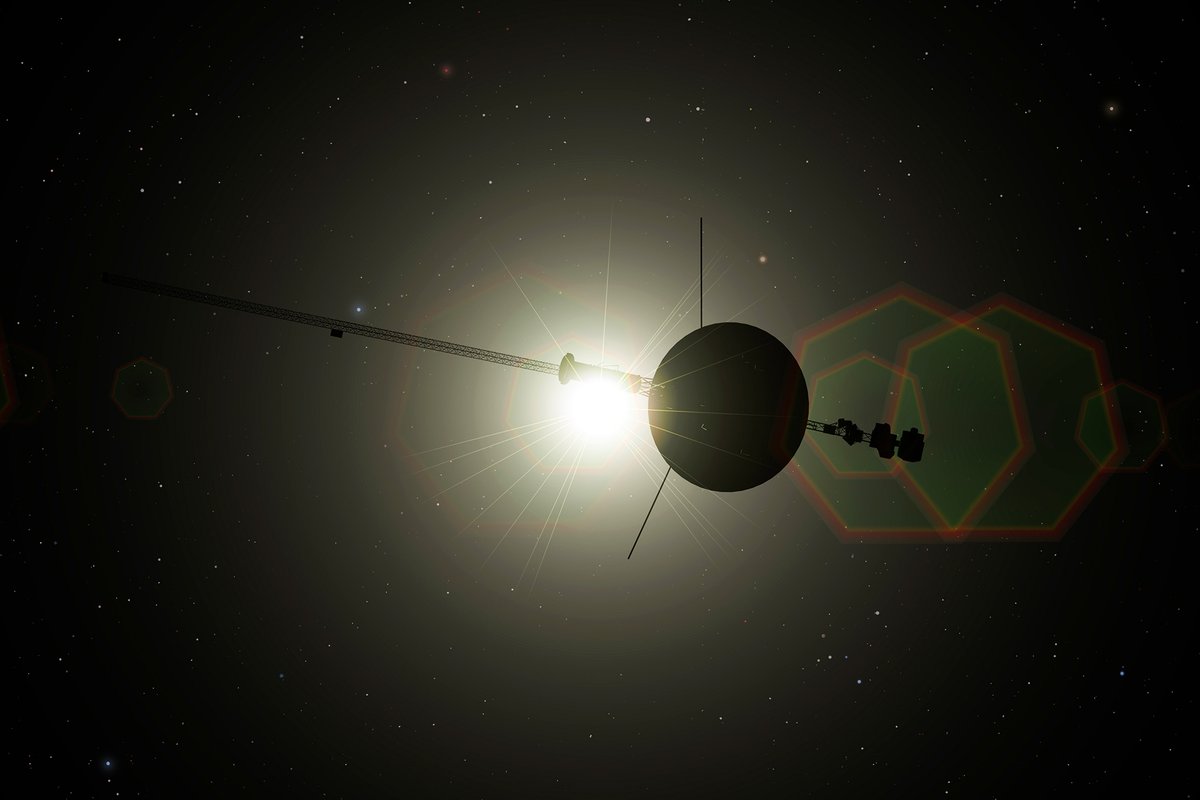
NASA's observatory reached the milestone on September 19, having traveled more than 5 billion miles and completed over 1.7 million observations across 36 years.

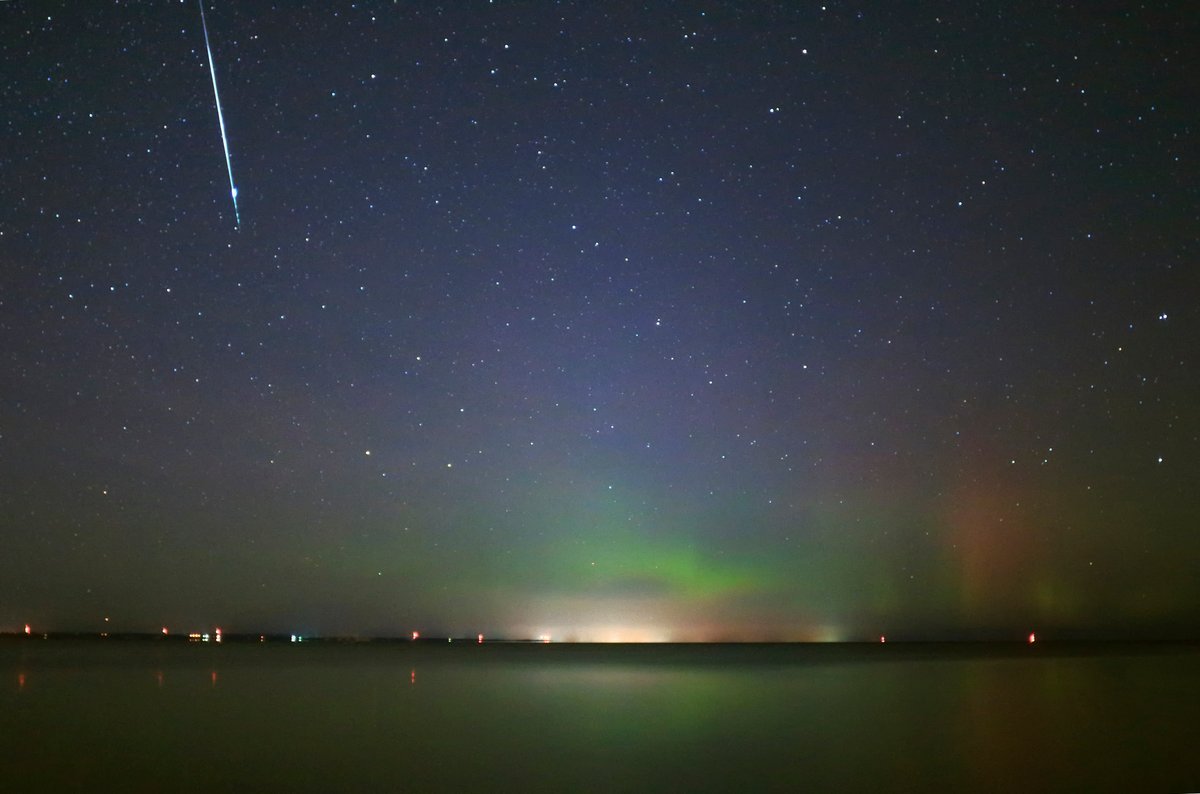
NASA's Astronomy Picture of the Day for September 26, 2026, spotlights an image titled 'Mirrored Meteor and Milky Way.'
The publication says scientists have identified an unusual cosmic object described as the galaxy's first microblazar.
Helen Sharman officially opened the John Dulcamara Space Flight Museum at Grizedale Observatory.
A new image released by NASA on 18 September 2026 shows the galaxy's spiral arms curling within a thin disk of stars, gas and dust.

A proposed low-cost private mission to Alpha Centauri, called Fermi Explorer, aims to address a question scientists say has already been answered, according to Scientific American.

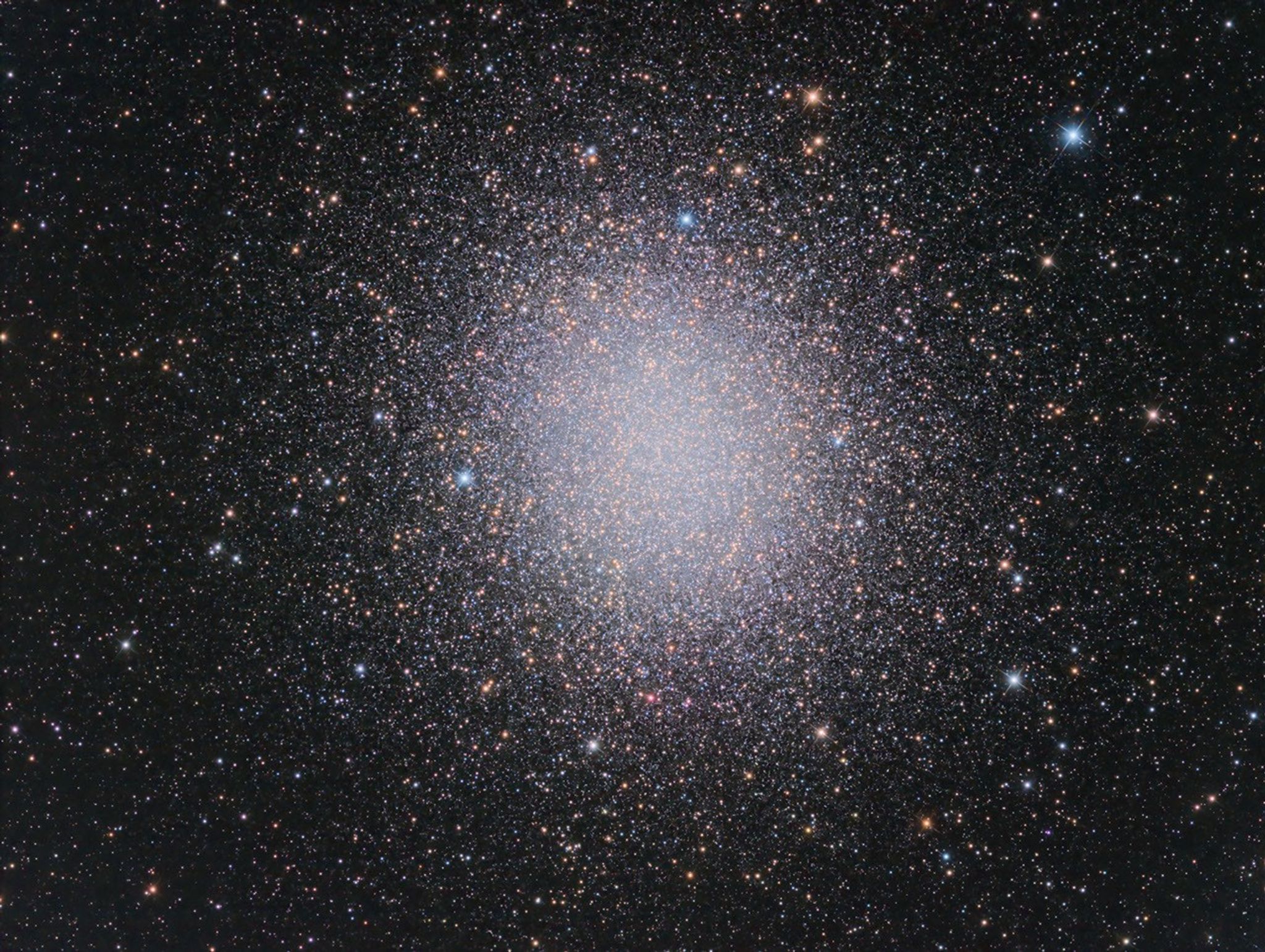
The September 25 Astronomy Picture of the Day from NASA features the globular star cluster Omega Centauri.

The September 24 Astronomy Picture of the Day from NASA highlights the faint, ghostly remnants left behind by five separate supernova explosions.

The Taurid meteor showers, among the longest-running of the year, will stretch from mid-September through mid-December, offering skywatchers a chance to spot vivid shooting stars.

September's full Moon rises on Saturday 26 September, with the best UK viewing conditions expected across southern and eastern regions.

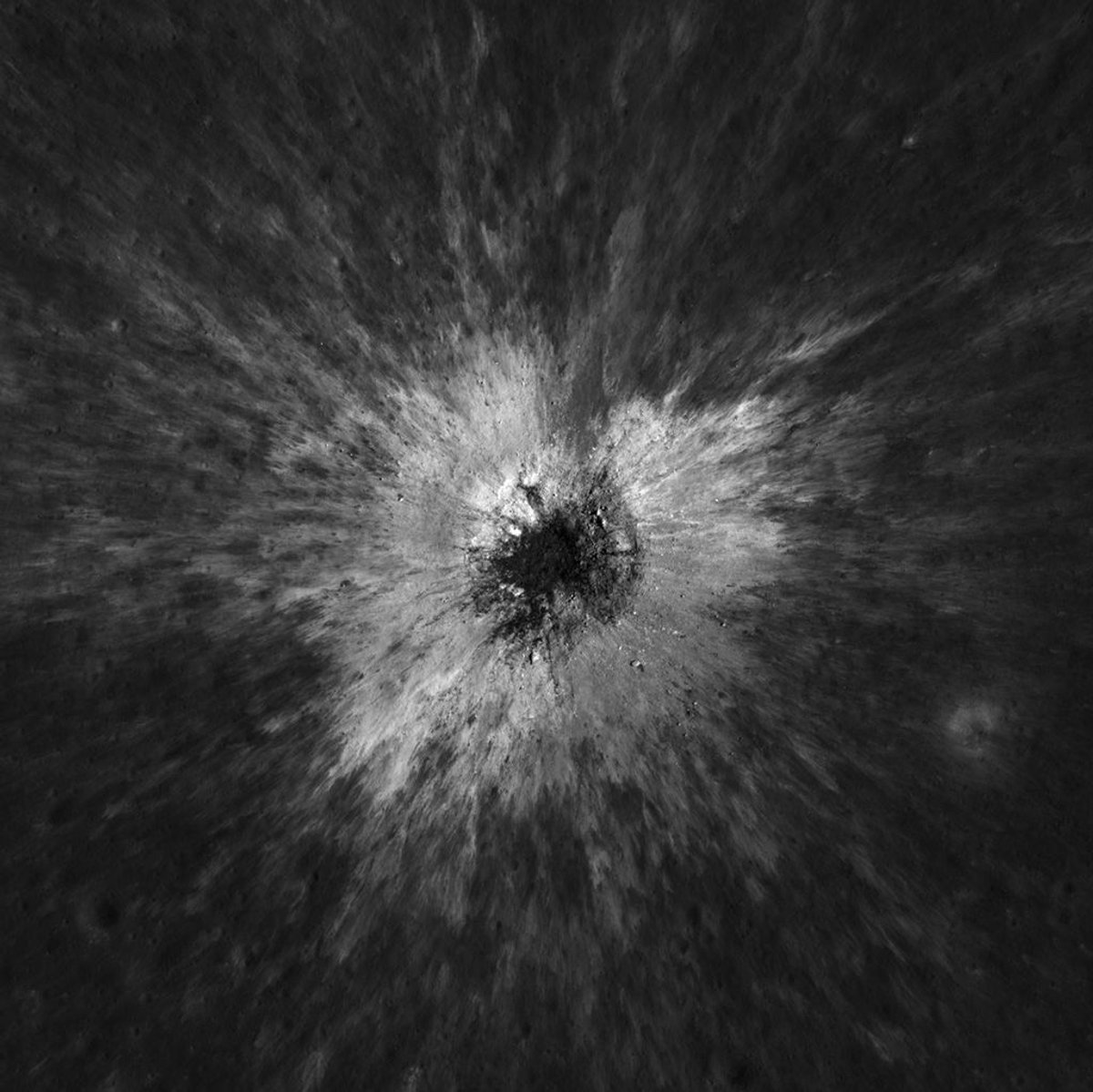
Researchers have identified the largest newly discovered impact crater in the solar system on the lunar surface, named after geologist Tom McGetchin.

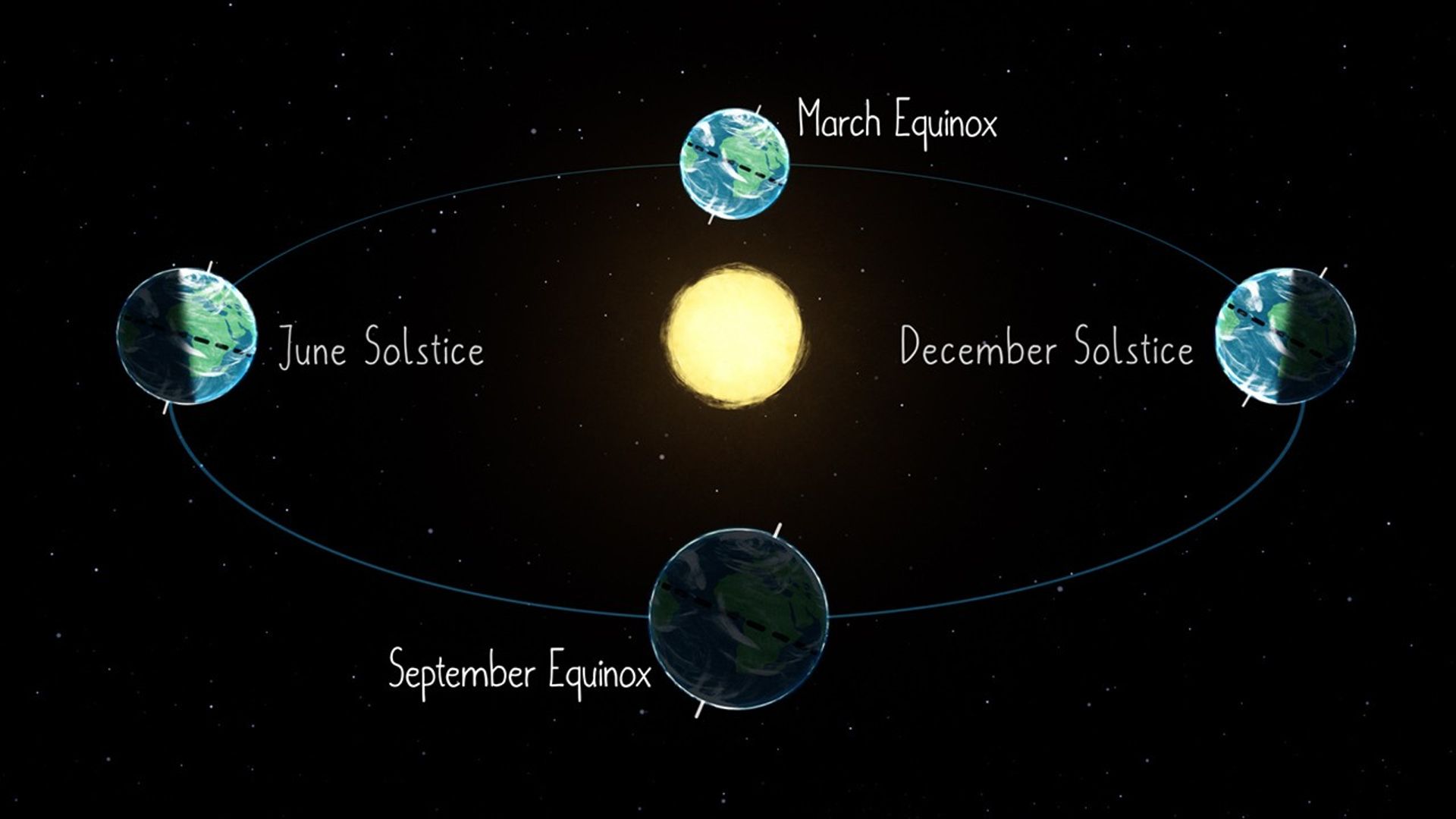
The agency explains how equinoxes have long helped people track seasonal change and the motion of the sky.

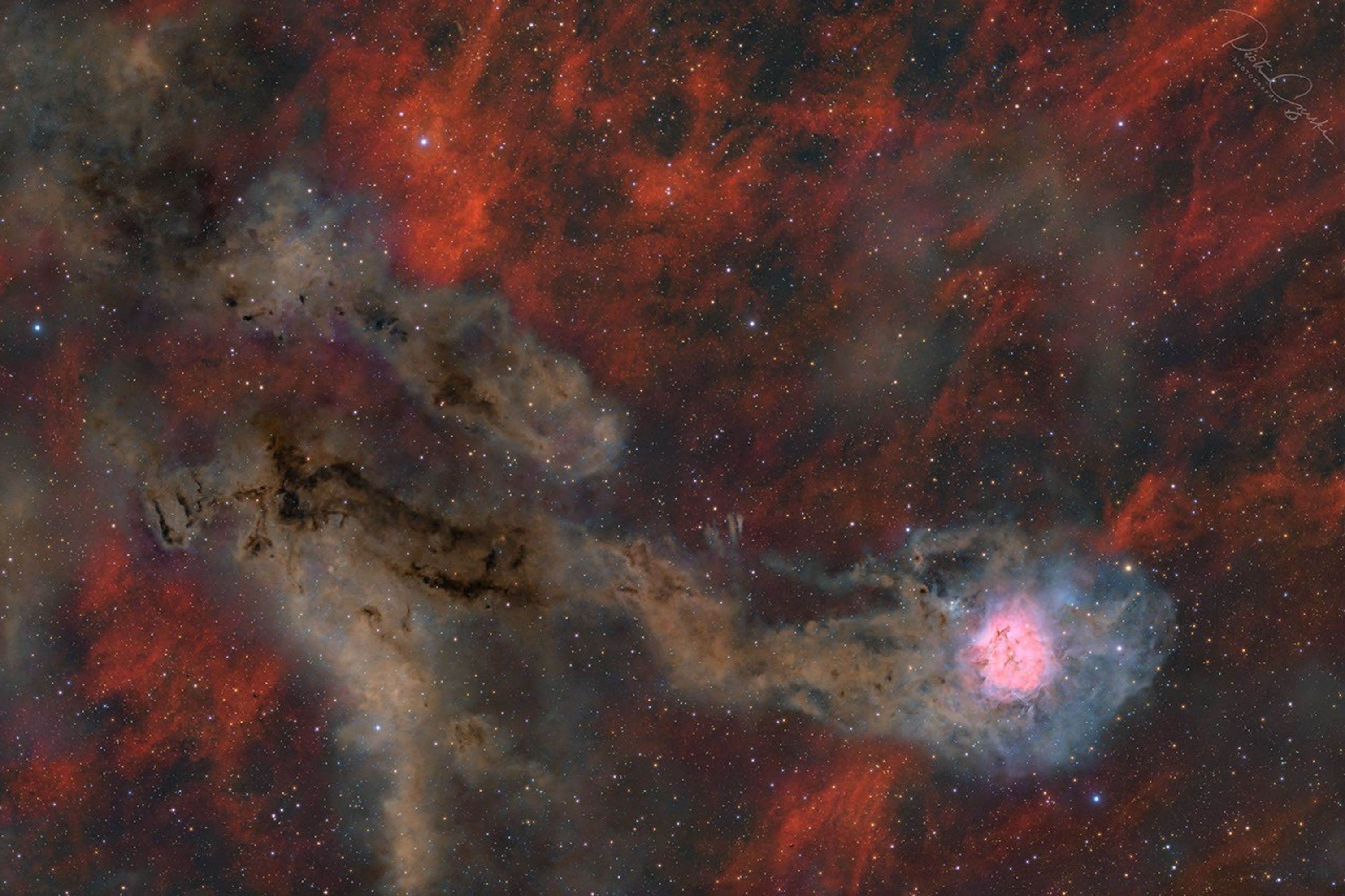
NASA's Astronomy Picture of the Day for September 21 showcases a wide-field image of the Cocoon Nebula.