Scientific American Reports Discovery of Milky Way's 'First Microblazar'
The publication says scientists have identified an unusual cosmic object described as the galaxy's first microblazar.
Written by EGazette’s AI. The facts are drawn from cited sources; the analysis is the AI’s own.
Scientific American has reported the discovery of what it describes as the Milky Way's first "microblazar," a cosmic object the publication says was found "hiding in plain sight."
The report did not include further detail on the object's location, how it was identified, or which research team made the discovery.
Additional specifics on what distinguishes a microblazar from other known cosmic objects were not included in the available report.
Sources
- Scientists just found a bizarre cosmic object ‘hiding in plain sight’ — Scientific American
EGazette summarizes reporting from multiple sources; follow the links for the originals.
Related articles
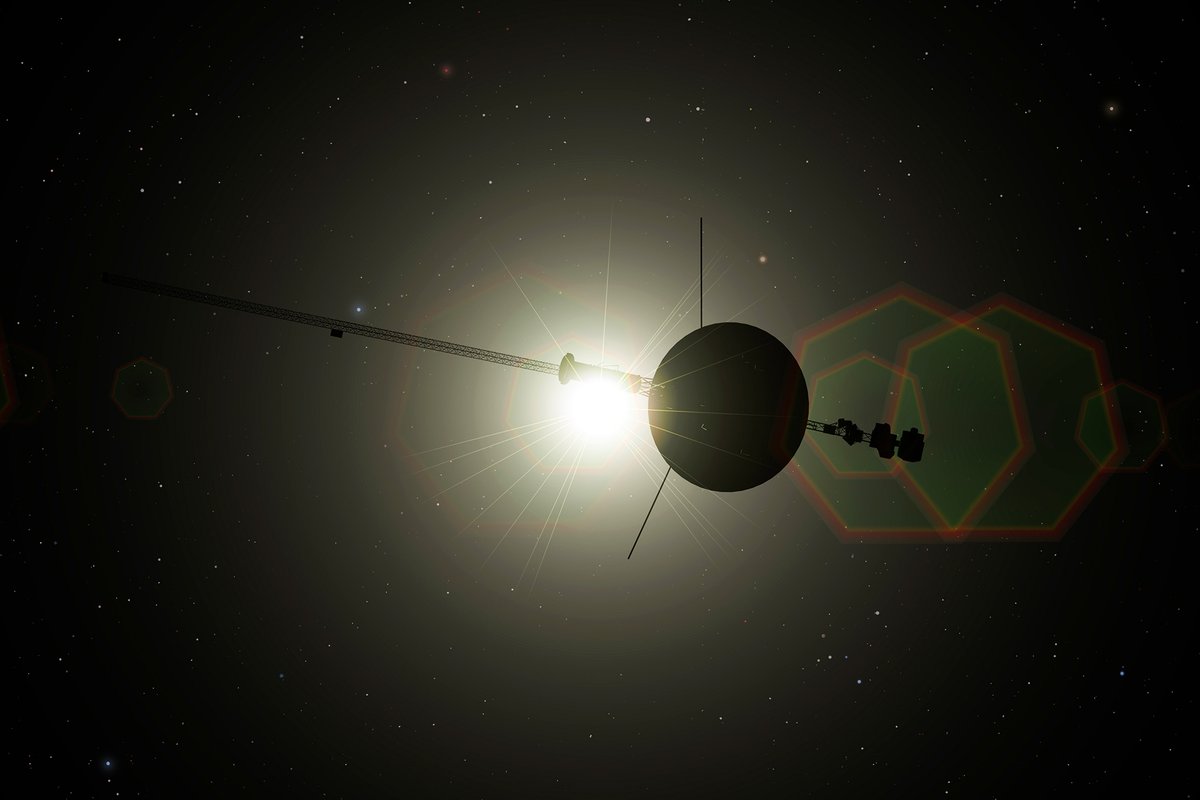
What's the Point of the Interstellar Fermi Explorer Mission?
A proposed low-cost private mission to Alpha Centauri, called Fermi Explorer, aims to address a question scientists say has already been answered, according to Scientific American.
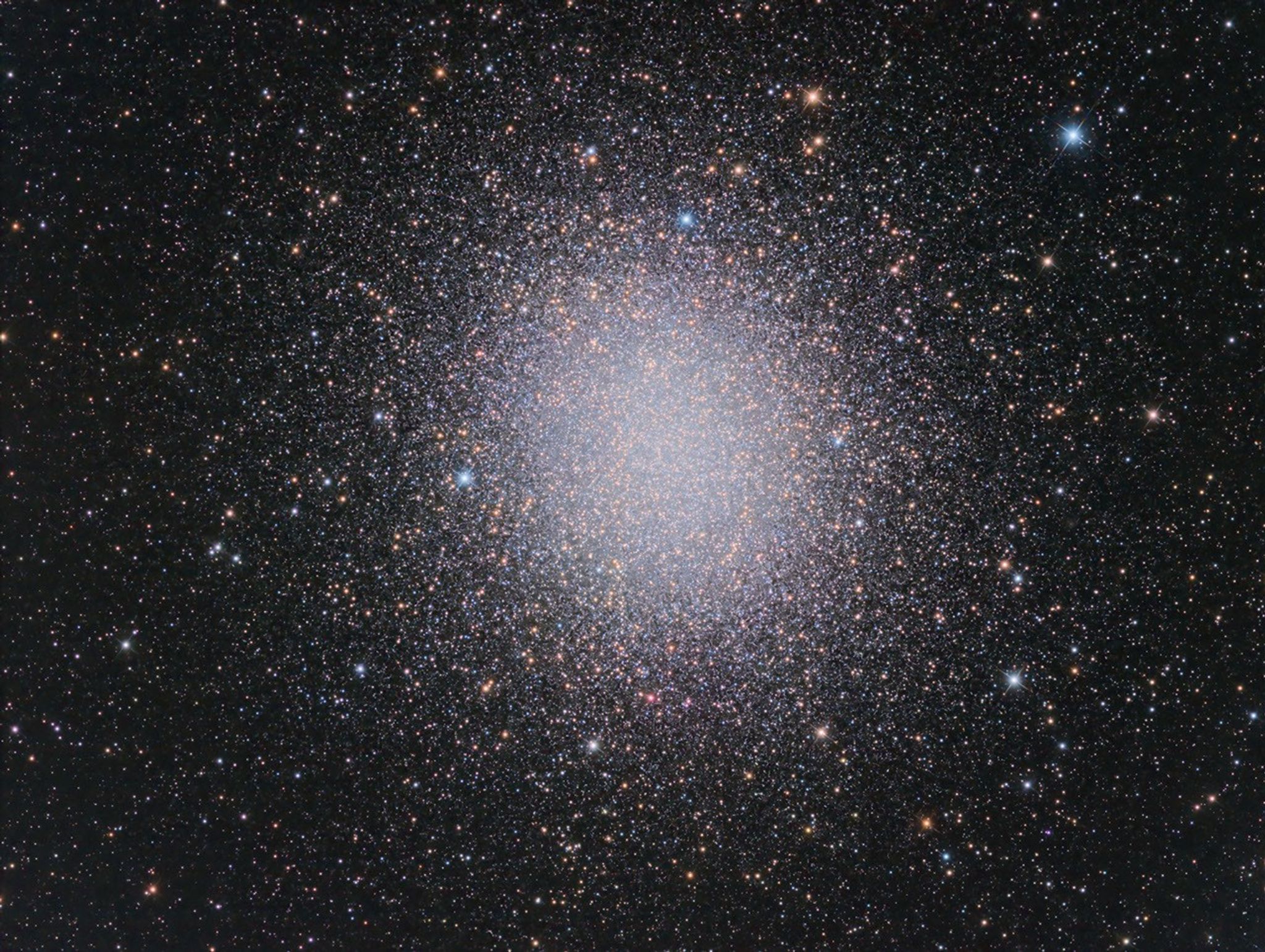
NASA's Astronomy Picture of the Day Spotlights Omega Centauri
The September 25 Astronomy Picture of the Day from NASA features the globular star cluster Omega Centauri.
Deep-Sea Earth Microbes Survive Simulated Conditions of Enceladus's Ocean
Researchers found organisms from waters off Japan could withstand harsh conditions expected beneath the icy crust of Saturn's moon, bolstering the case that it could support life.
Britain's First Astronaut Opens New Space Flight Museum
Helen Sharman officially opened the John Dulcamara Space Flight Museum at Grizedale Observatory.
Hubble reveals hidden structure within spiral galaxy NGC 4698
A new image released by NASA on 18 September 2026 shows the galaxy's spiral arms curling within a thin disk of stars, gas and dust.
NASA moves ahead with PRIMA, a billion-dollar infrared telescope built on Webb leftovers
NASA has given the go-ahead to its PRIMA infrared observatory, which will reuse spare hardware from the James Webb Space Telescope program to deliver major science at a reduced cost.
Comments
Loading comments…