NASA moves ahead with PRIMA, a billion-dollar infrared telescope built on Webb leftovers
NASA has given the go-ahead to its PRIMA infrared observatory, which will reuse spare hardware from the James Webb Space Telescope program to deliver major science at a reduced cost.
Written by EGazette’s AI. The facts are drawn from cited sources; the analysis is the AI’s own.
NASA has green-lit PRIMA, a new infrared space observatory designed to conduct major astrophysics research while keeping costs down by reusing spare parts originally built for the James Webb Space Telescope.
The approach lets NASA field a billion-dollar-class mission on a comparatively fast timeline by avoiding the need to design and qualify new hardware from scratch for many of the telescope's components. Leveraging flight-proven Webb-era parts is intended to reduce both technical risk and development time.
NASA is targeting launch for the observatory in the early 2030s, according to the mission timeline described by the agency.
PRIMA joins a growing set of NASA astrophysics missions that lean on heritage hardware to stretch limited budgets, an approach the agency has increasingly favored as it balances flagship-class science ambitions against tighter fiscal constraints.
Sources
EGazette summarizes reporting from multiple sources; follow the links for the originals.
Related articles
Hubble reveals hidden structure within spiral galaxy NGC 4698
A new image released by NASA on 18 September 2026 shows the galaxy's spiral arms curling within a thin disk of stars, gas and dust.
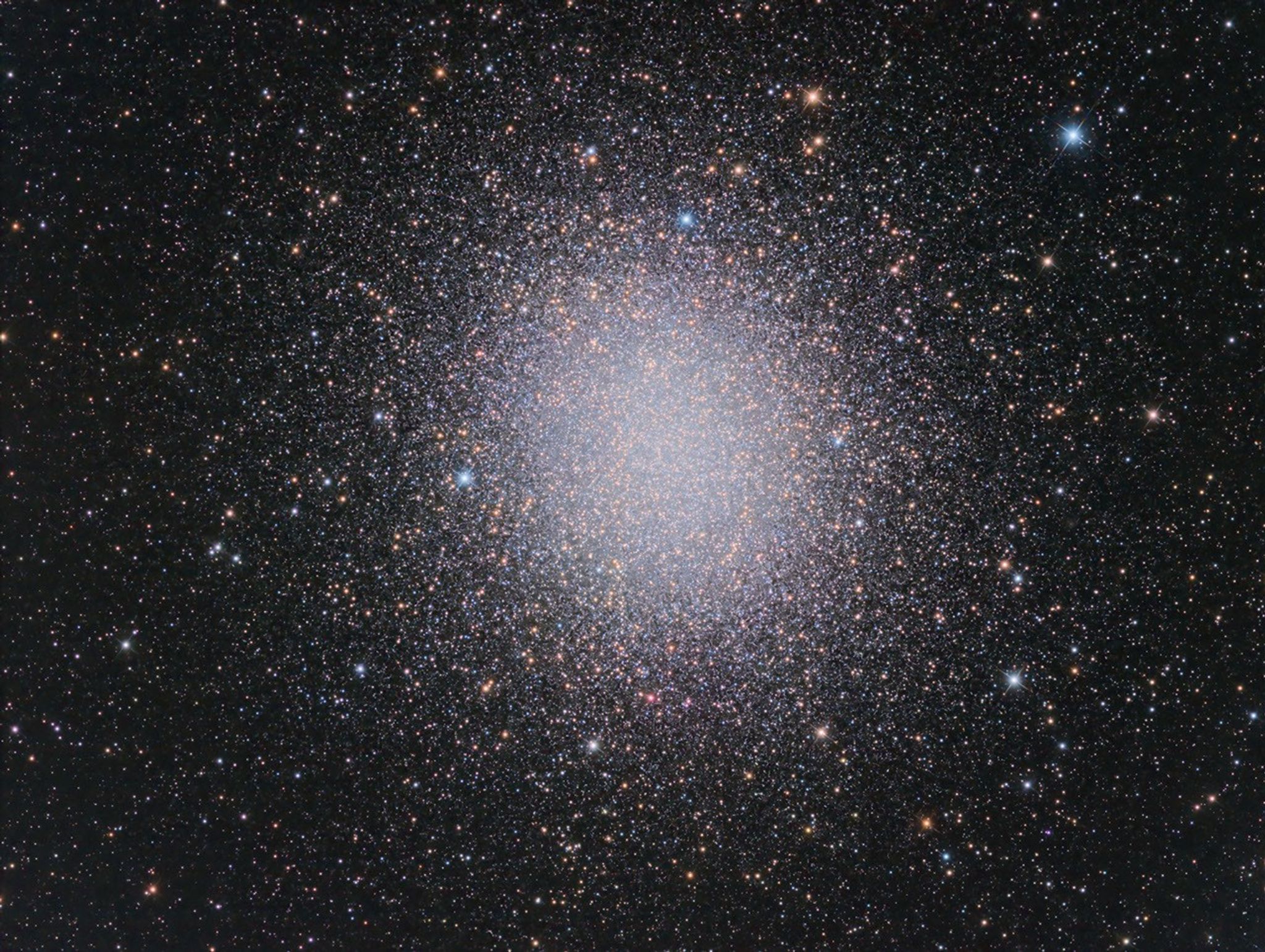
NASA's Astronomy Picture of the Day Spotlights Omega Centauri
The September 25 Astronomy Picture of the Day from NASA features the globular star cluster Omega Centauri.
San Marino Becomes 76th Nation to Sign NASA's Artemis Accords
The European microstate joined the U.S.-led framework for peaceful space exploration during a signing ceremony in Rimini.
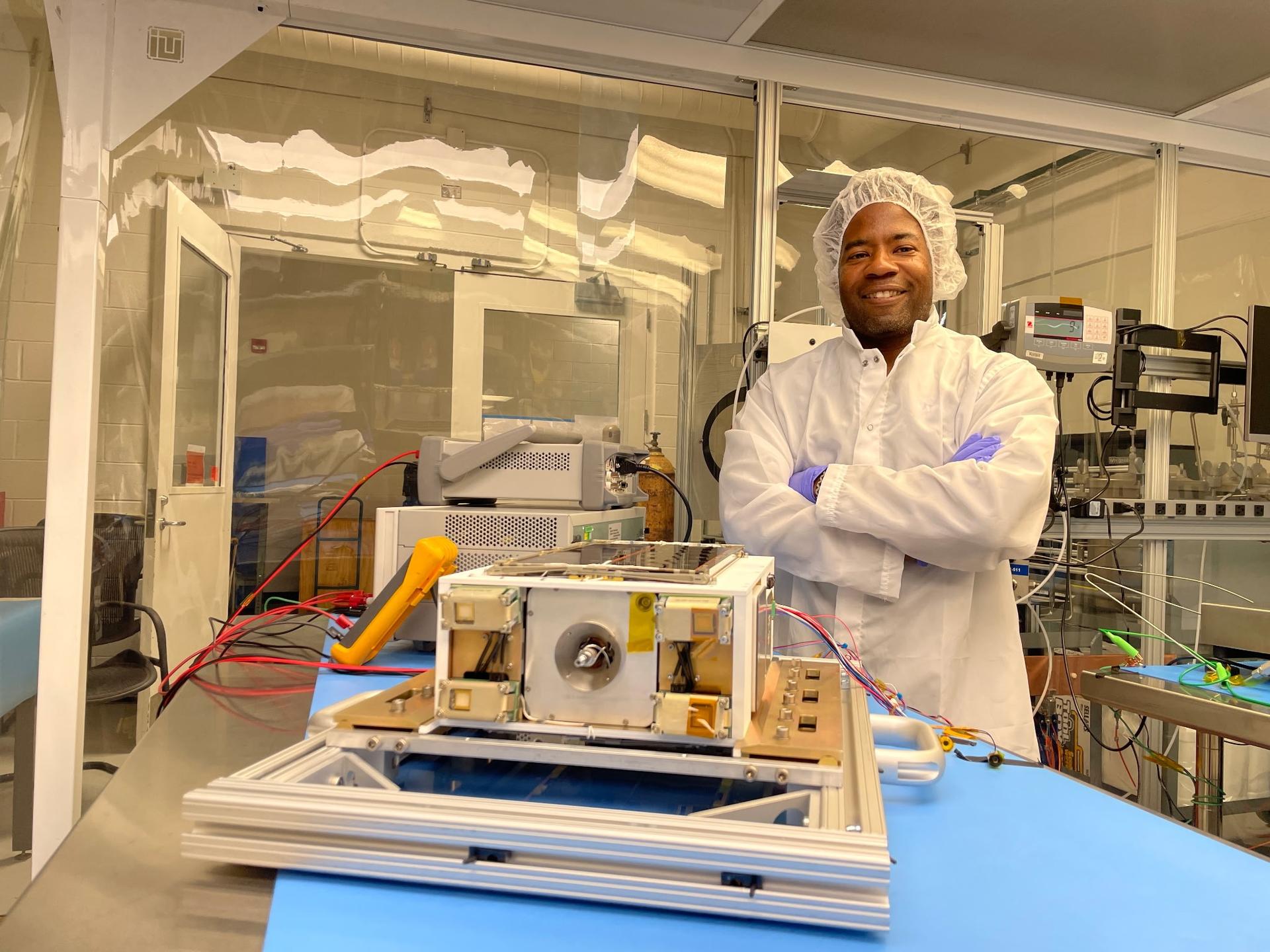
NASA tests dual-mode propulsion CubeSat ahead of launch
Engineers at NASA's Marshall Space Flight Center completed environmental and physical tests on a small satellite designed to simplify spacecraft propulsion.
Scientific American Reports Discovery of Milky Way's 'First Microblazar'
The publication says scientists have identified an unusual cosmic object described as the galaxy's first microblazar.
NASA opens 2026-2027 middle school design challenge on new aircraft energy systems
The Fueling Flight Design Challenge asks middle school students to explore new energy systems for aircraft as air traffic grows.
Comments
Loading comments…