NASA opens 2026-2027 middle school design challenge on new aircraft energy systems
The Fueling Flight Design Challenge asks middle school students to explore new energy systems for aircraft as air traffic grows.
Written by EGazette’s AI. The facts are drawn from cited sources; the analysis is the AI’s own.
NASA has announced the 2026-2027 Design, Weld, and Fly middle school design challenge, themed "Fueling Flight Design Challenge: New Energy Systems," according to the agency's aeronautics program materials.
The challenge invites middle school students to explore new energy systems for aircraft as the volume of aircraft operating within the United States' National Airspace System continues to grow. NASA, working alongside partners including the Federal Aviation Administration, universities, and companies across the aviation industry, has been researching ways to increase safety and efficiency as air traffic expands.
The program is designed to introduce younger students to core concepts in aeronautical engineering, encouraging them to think creatively about the energy systems that could power future generations of aircraft, including alternatives to traditional fuel sources.
Educational design challenges of this kind are a recurring part of NASA's outreach efforts, intended to build interest in science, technology, engineering, and mathematics fields among students at an early stage. Participating students and educators are typically provided with challenge materials and guidelines to structure their projects around the year's theme.
Further details on registration, submission requirements, and evaluation criteria for the 2026-2027 challenge were not fully outlined in the available announcement.
Sources
- 2026-2027 DWU: Middle School Design Challenge — NASA Breaking News
EGazette summarizes reporting from multiple sources; follow the links for the originals.
Related articles
NASA launches 2026-2027 high school engineering challenge on aircraft energy systems
The high school-level Fueling Flight Design Challenge asks students to design new energy systems as aviation traffic increases.
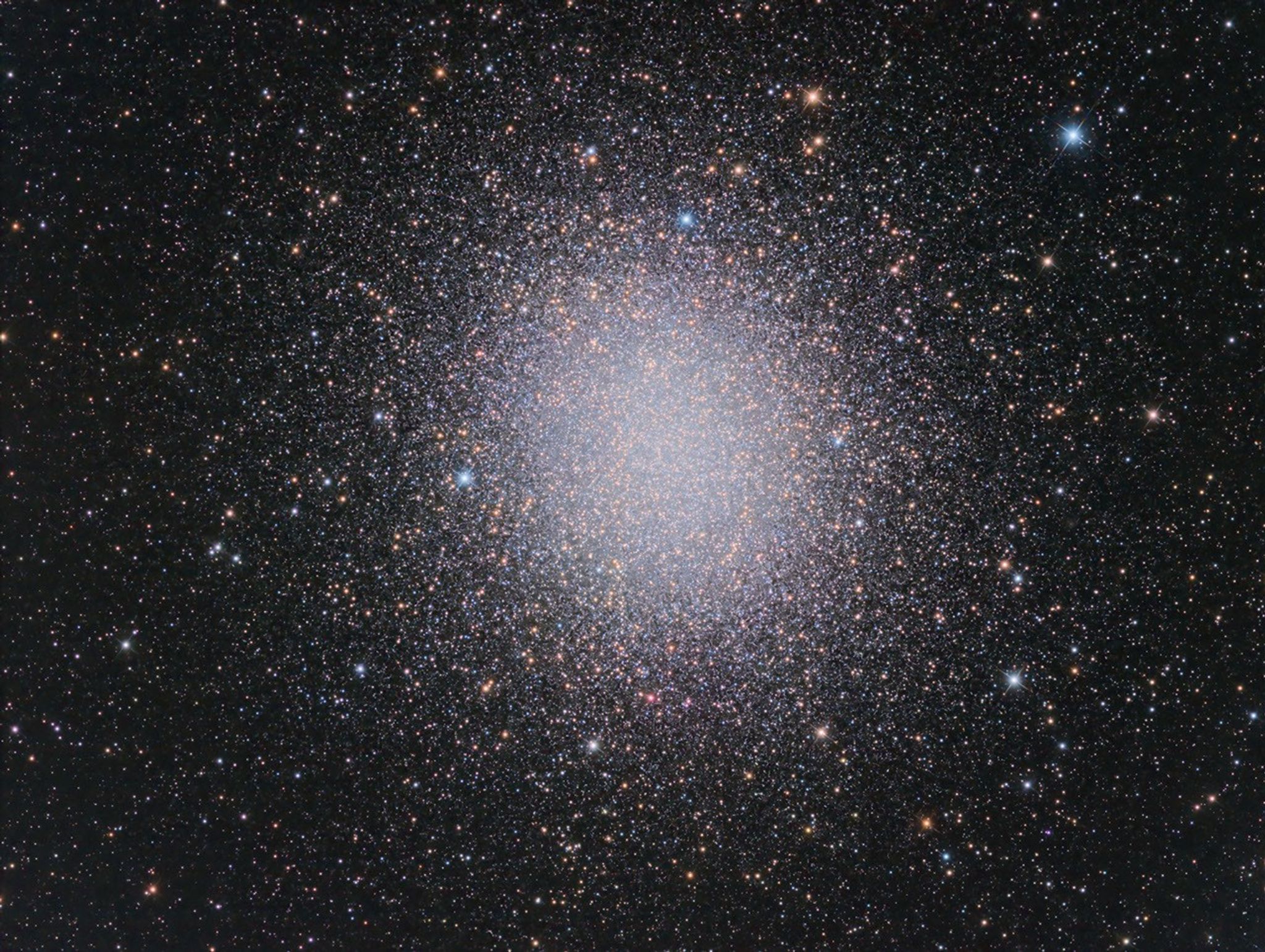
NASA's Astronomy Picture of the Day Spotlights Omega Centauri
The September 25 Astronomy Picture of the Day from NASA features the globular star cluster Omega Centauri.
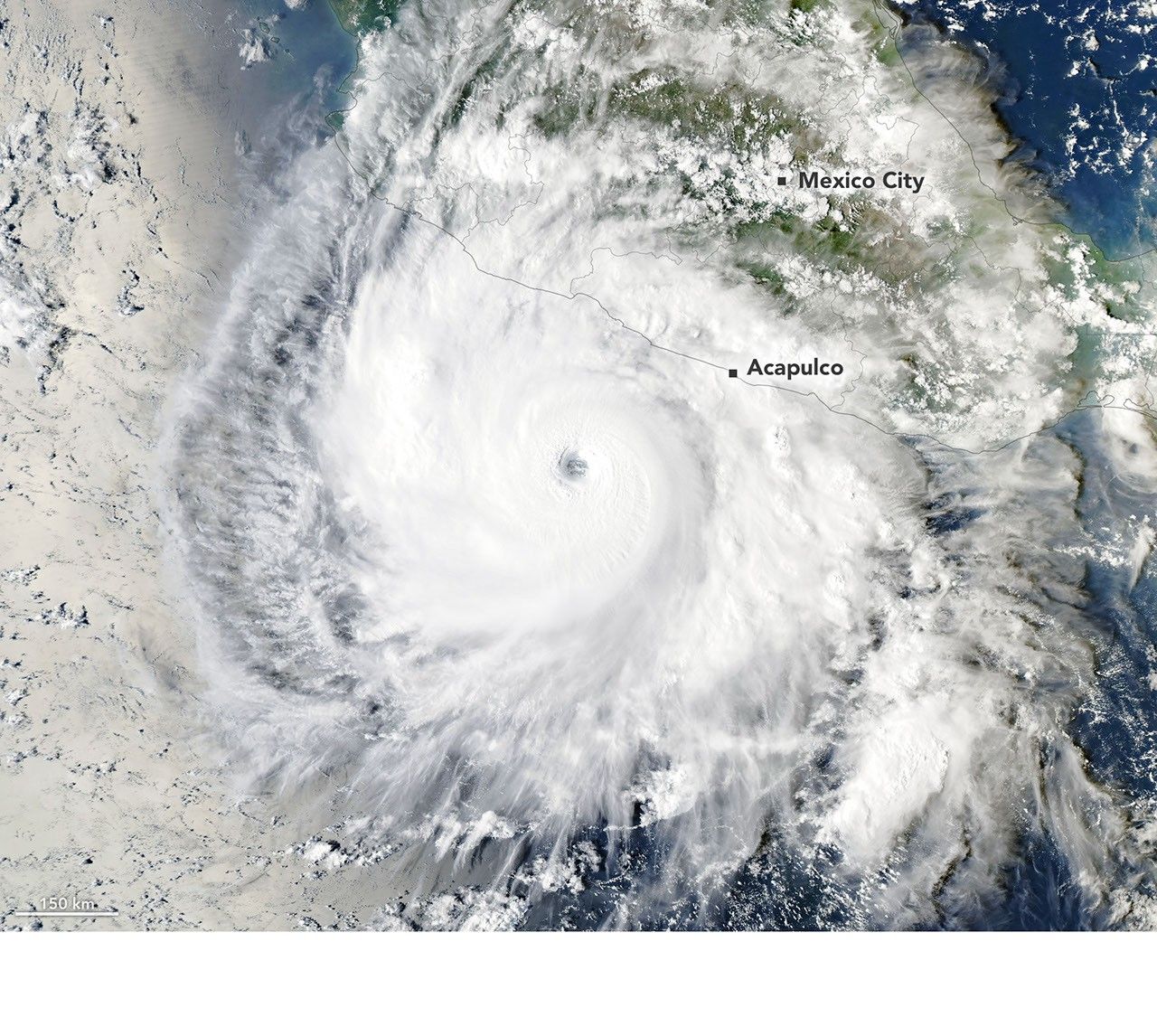
Hurricane Polo Undergoes Explosive Intensification in Eastern Pacific
A rare combination of atmospheric and oceanic conditions fueled one of the strongest storms on record in the eastern Pacific basin, NASA says.

NASA Says Crew-14 Mission Including Russian Cosmonaut Is Set for 2027
The mission will also include astronauts from NASA and the Japan Aerospace Exploration Agency, according to the U.S. space agency.

Cote d'Ivoire becomes 75th nation to sign NASA's Artemis Accords
The West African nation signed the accords Thursday in Abidjan, marking what NASA called the largest milestone yet for the international space exploration coalition.
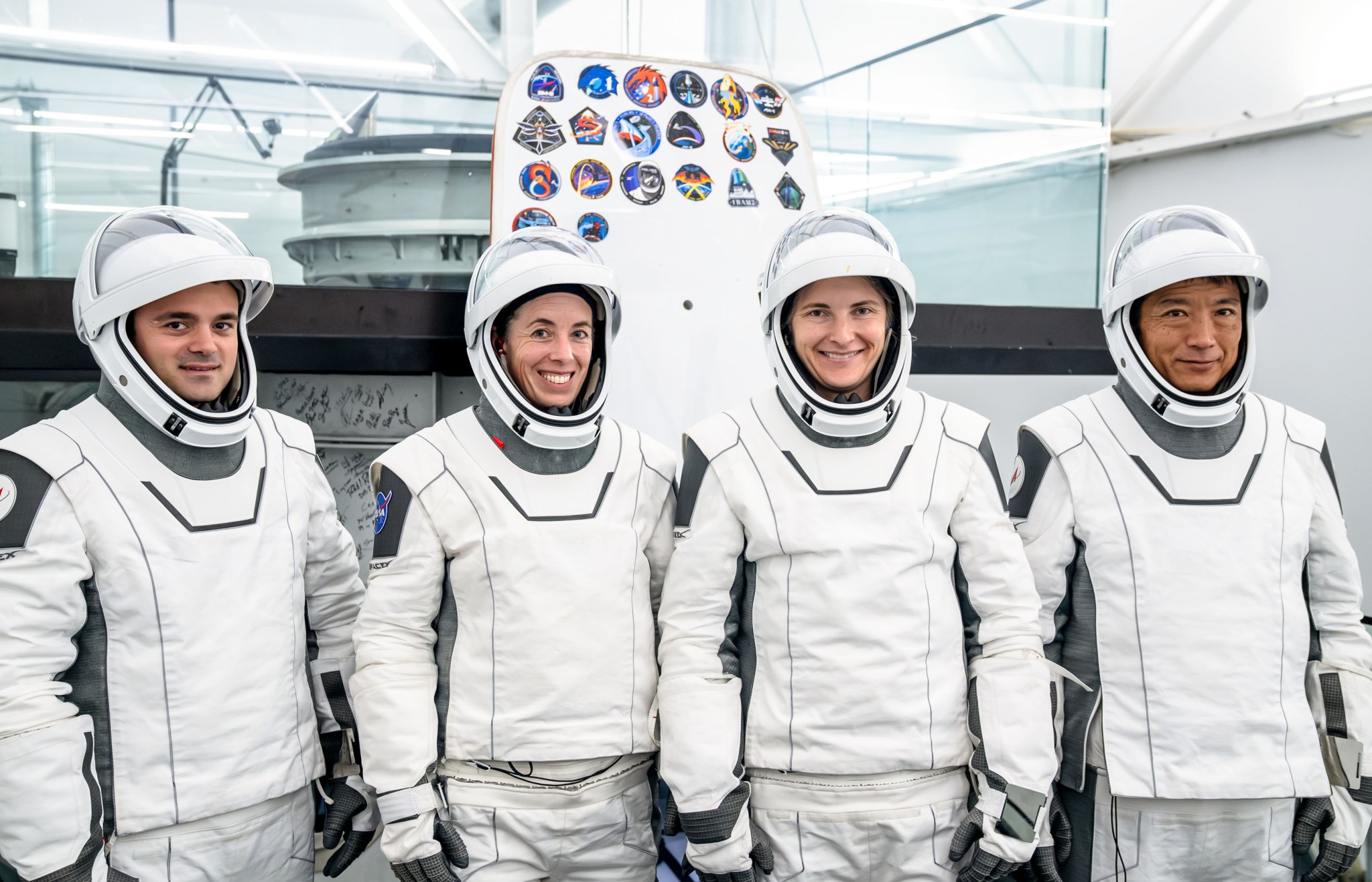
NASA announces crew assignments for SpaceX Crew-14 space station mission
Four astronauts from three space agencies will launch no earlier than spring 2027 for a long-duration science mission aboard the International Space Station.
Comments
Loading comments…