Hurricane Polo Undergoes Explosive Intensification in Eastern Pacific
A rare combination of atmospheric and oceanic conditions fueled one of the strongest storms on record in the eastern Pacific basin, NASA says.
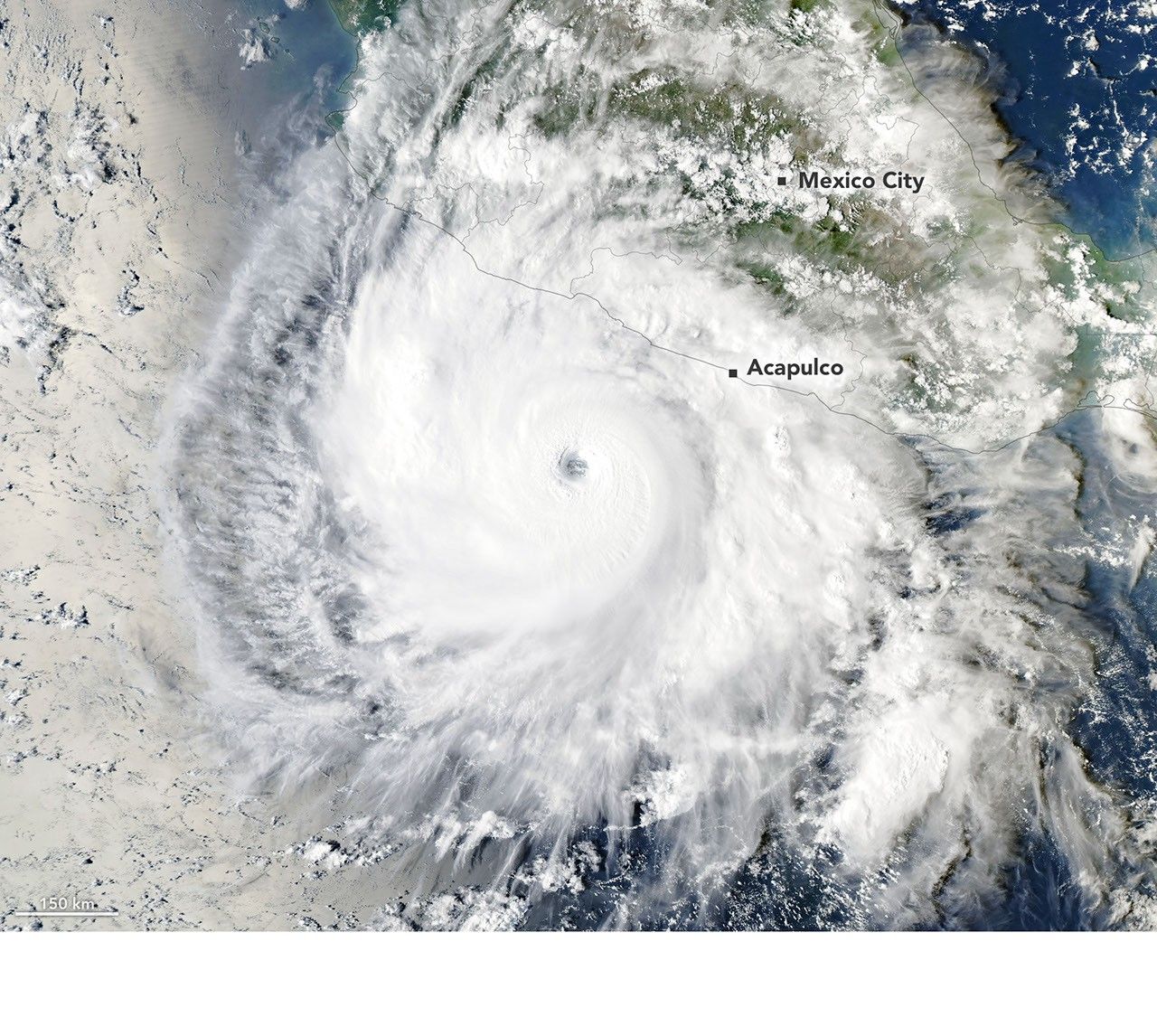
Hurricane Polo underwent explosive intensification off the Pacific coast of Mexico, becoming one of the strongest storms the eastern Pacific basin has ever recorded, according to NASA's Earth Observatory.
NASA said several favorable ingredients came together over the eastern Pacific to allow the storm to strengthen rapidly, a phenomenon meteorologists refer to as explosive intensification, generally defined as a sharp increase in a storm's maximum sustained winds over a short period.
Favorable Conditions
The Earth Observatory report did not specify the exact wind speeds reached by Polo or provide a numerical ranking against past storms, but characterized it as among the most powerful ever observed in that basin.
Rapid intensification events have drawn increasing attention from meteorologists in recent years, as storms that strengthen quickly can pose particular challenges for forecasting and coastal preparedness. NASA did not report on the storm's expected track or any impacts on coastal communities in Mexico at the time the observation was published.
Sources
- Explosive Intensification for Hurricane Polo — NASA Breaking News
EGazette summarizes reporting from multiple sources; follow the links for the originals.
Related articles

Mexico Braces for Hurricane Polo as Storm Gathers Strength
Hurricane Polo, described as one of the strongest Pacific cyclones in decades, has brought dangerous waves and heavy rain to Mexico's coast.

Did El Niño Help Turn Hurricane Polo Into One of the Season's Strongest Storms?
A BBC report examines how El Niño conditions may have contributed to the rapid intensification of Hurricane Polo in the Pacific.

Low Cloud Layer Blankets the Pacific Northwest in New Satellite Imagery
A NASA Earth Observatory image shows a low-lying cloud deck bringing an autumnal atmosphere to western Washington and Oregon, while higher coastal terrain poked above the clouds.
NASA's Astronomy Picture of the Day Spotlights Omega Centauri
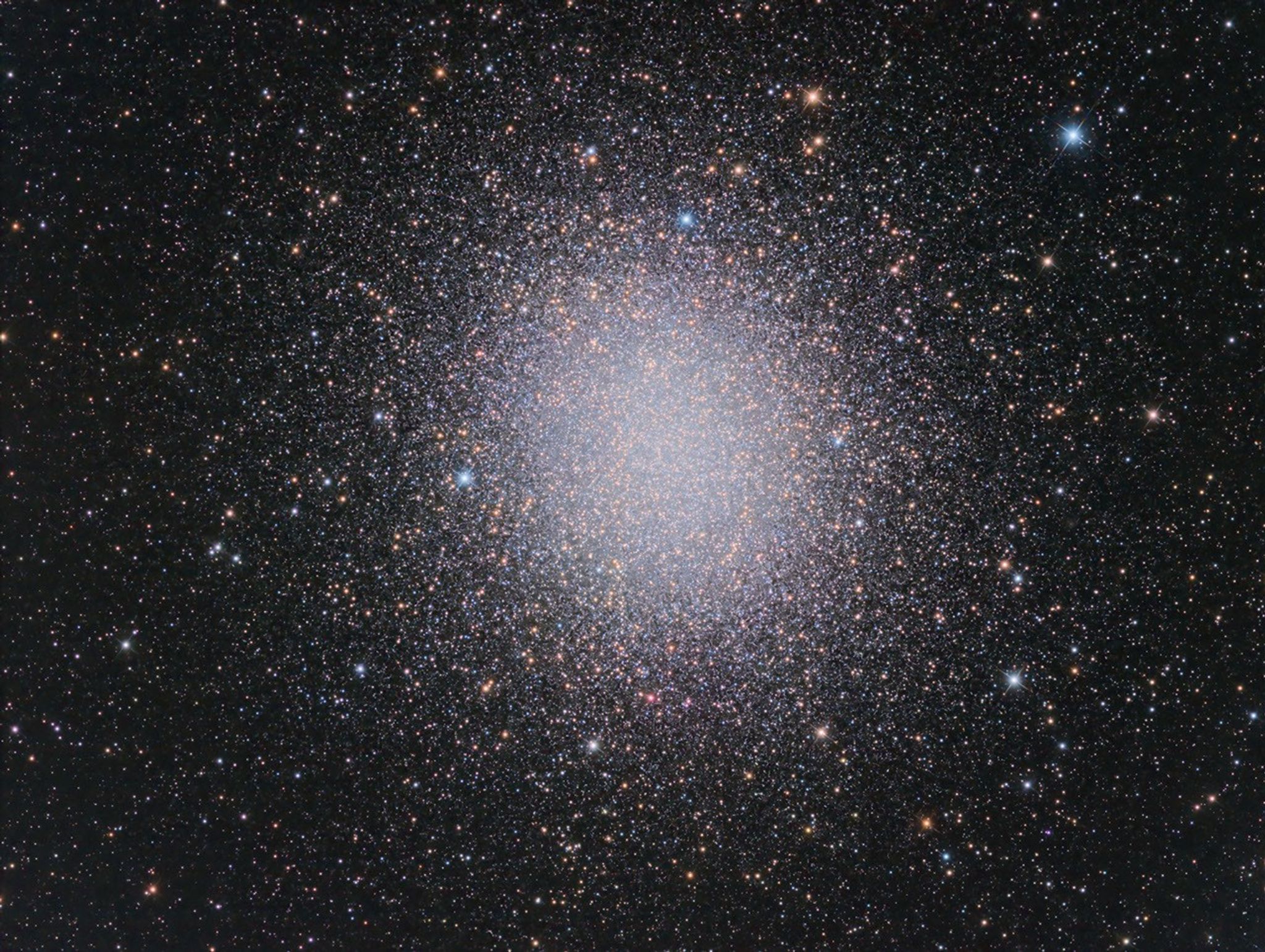
The September 25 Astronomy Picture of the Day from NASA features the globular star cluster Omega Centauri.

NASA Says Crew-14 Mission Including Russian Cosmonaut Is Set for 2027
The mission will also include astronauts from NASA and the Japan Aerospace Exploration Agency, according to the U.S. space agency.

Just how hot and dry was your summer? Regional differences revealed
Most areas experienced drought and heatwaves this summer, but temperatures and rainfall varied significantly by region.
Comments
Loading comments…