Just how hot and dry was your summer? Regional differences revealed
Most areas experienced drought and heatwaves this summer, but temperatures and rainfall varied significantly by region.

Summer conditions this year brought widespread drought and heatwaves to much of the country, though the severity of both heat and dryness varied considerably depending on location.
While many areas recorded unusually high temperatures and below-average rainfall, the specific figures differed from region to region, meaning some places experienced notably more extreme conditions than others.
A patchwork summer
The uneven distribution of heat and drought conditions highlights how a single seasonal summary can mask significant local variation, with some communities facing far more severe water shortages and heat stress than the national picture might suggest.
Understanding these regional differences can help residents, local authorities and planners better assess the specific climate pressures faced in their own areas, rather than relying solely on broad national averages.
Officials and meteorologists continue to monitor rainfall and temperature trends as the transition into the following season begins, with attention on whether drought conditions in the hardest-hit areas will ease.
Sources
- Just how hot and dry was your summer? Use our postcode lookup to find out — BBC Science & Environment
EGazette summarizes reporting from multiple sources; follow the links for the originals.
Related articles
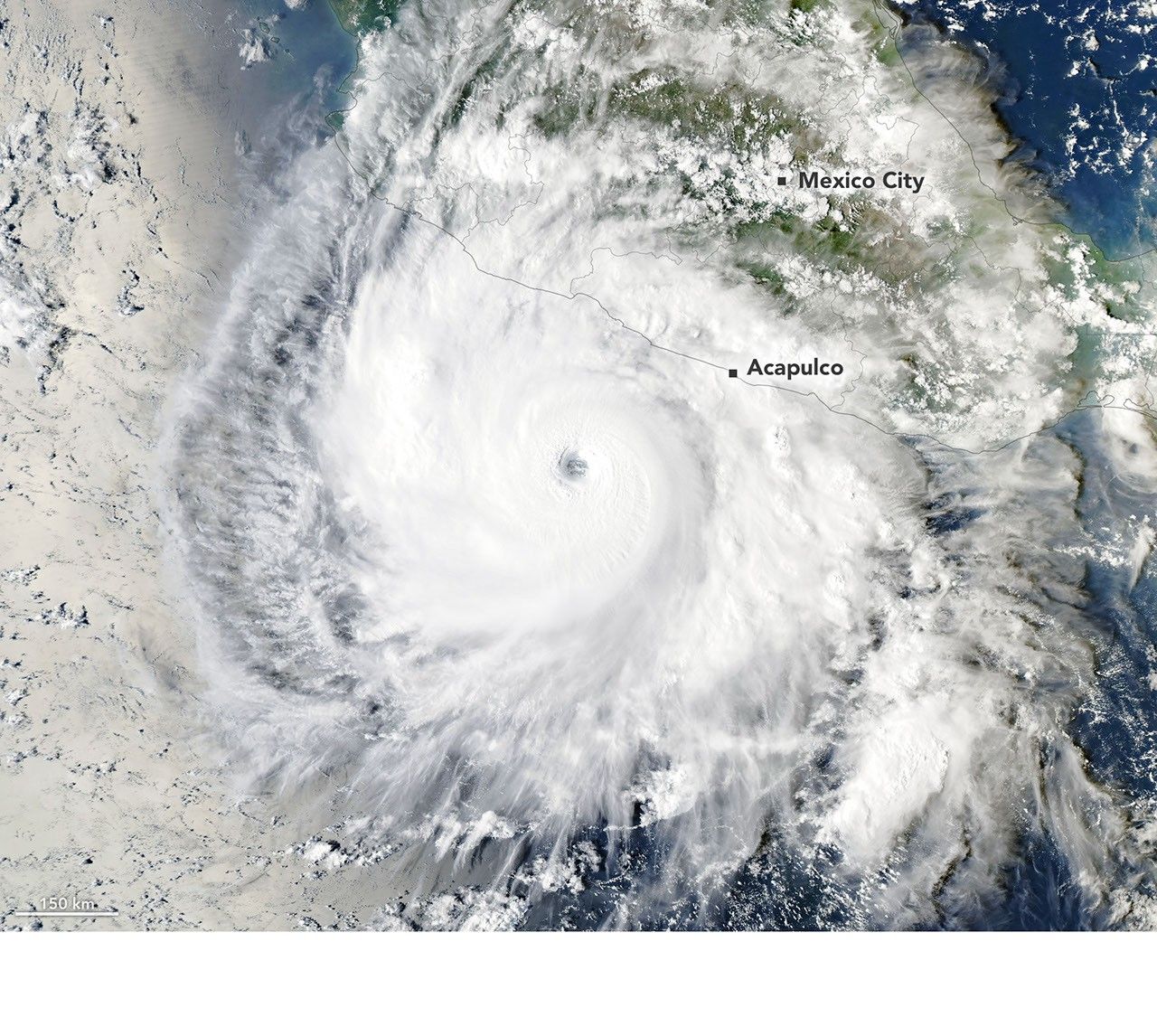
Hurricane Polo Undergoes Explosive Intensification in Eastern Pacific
A rare combination of atmospheric and oceanic conditions fueled one of the strongest storms on record in the eastern Pacific basin, NASA says.

Unsettled Weather Expected From Thursday Night, Fair Skies Forecast for Weekend
Temperatures are forecast to run 2-4°C above average as unsettled conditions move in Thursday night ahead of a fair weekend, according to Italian forecaster iLMeteo.it.

Low Cloud Layer Blankets the Pacific Northwest in New Satellite Imagery
A NASA Earth Observatory image shows a low-lying cloud deck bringing an autumnal atmosphere to western Washington and Oregon, while higher coastal terrain poked above the clouds.
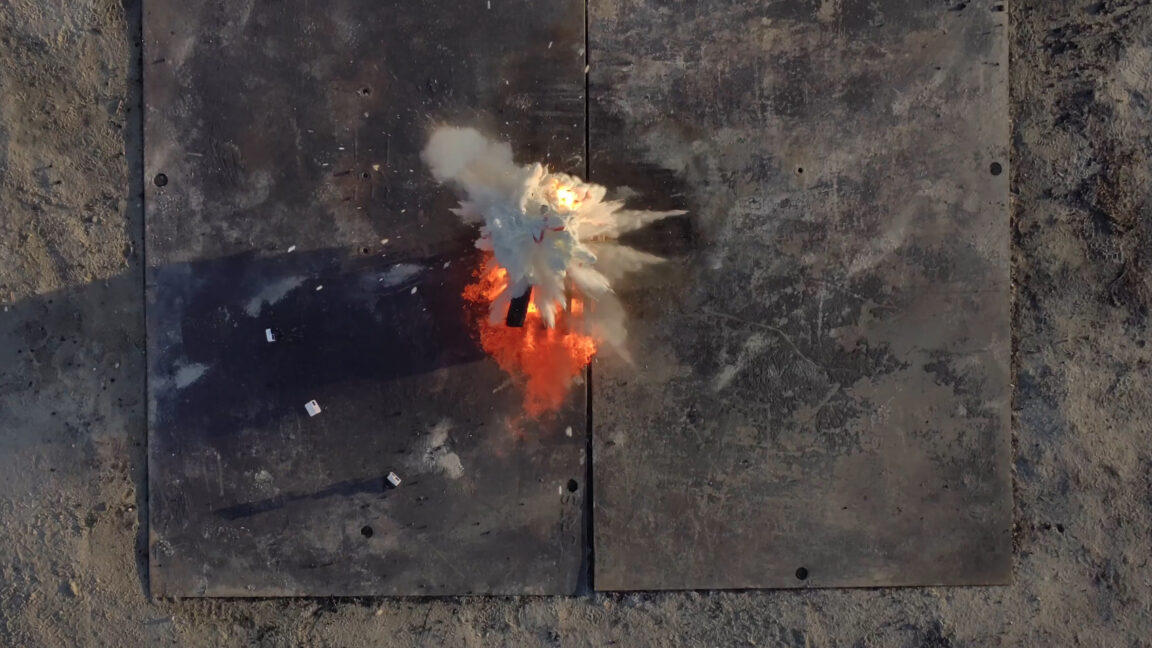
XPRIZE Wildfire winners detected fires within 10 minutes but could not stop them
The $11 million competition demonstrated that early wildfire detection technology has outpaced the tools available to actually suppress fires once found.

Arctic sea ice hits 2026 annual minimum, tying for 10th-lowest on record
NASA and NSIDC say the ice cover bottomed out at 1.78 million square miles on September 12, matching 2008, 2010 and 2025.
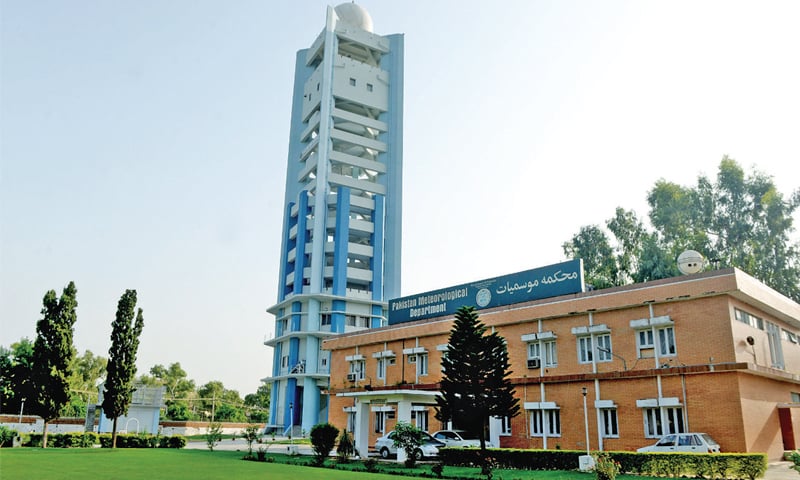
Pakistan Meteorological Department Forecasts Hot, Dry Weather in Sindh
The Met Office says most districts across Sindh will experience mainly hot and dry conditions over the next 24 hours.
Comments
Loading comments…