Arctic sea ice hits 2026 annual minimum, tying for 10th-lowest on record
NASA and NSIDC say the ice cover bottomed out at 1.78 million square miles on September 12, matching 2008, 2010 and 2025.
Arctic sea ice reached its annual minimum extent on September 12, according to NASA and the National Snow and Ice Data Center (NSIDC) at the University of Colorado Boulder.
The ice covered an estimated 1.78 million square miles (4.6 million square kilometers) at its lowest point this year, a figure that ties 2008, 2010 and 2025 for the 10th-lowest minimum extent in the satellite record, which stretches back several decades.
Scientists track the Arctic's annual minimum, typically reached in September as summer melt tapers off before the ice begins to refreeze, as a key indicator of the region's response to a warming climate. The satellite record has documented a long-term downward trend in minimum extent since systematic observations began.
A closely watched benchmark
NASA and NSIDC use satellite instruments to measure sea ice extent, defined as the area of ocean with at least 15 percent ice concentration. Year-to-year variation is influenced by factors including wind patterns, ocean temperatures and cloud cover, even as the multi-decade trend has pointed toward less ice.
This year's tie with 2008, 2010 and 2025 places 2026 among a cluster of years with similarly reduced summer ice cover, according to the agencies' data, though the ranking of any single year can shift slightly as scientists finalize their analysis of the full melt season.
Researchers will continue to monitor the ice as it begins its seasonal refreeze in the coming months.
Sources
- Arctic Sea Ice Reaches 2026 Annual Minimum Extent — NASA Breaking News
EGazette summarizes reporting from multiple sources; follow the links for the originals.
Related articles

NASA Aircraft to Fly Low-Altitude Research Missions Over Colorado Farmland
The FarmFlux mission will use more than a dozen sensors to measure ozone, methane, ammonia and other pollutants rising from agricultural land.
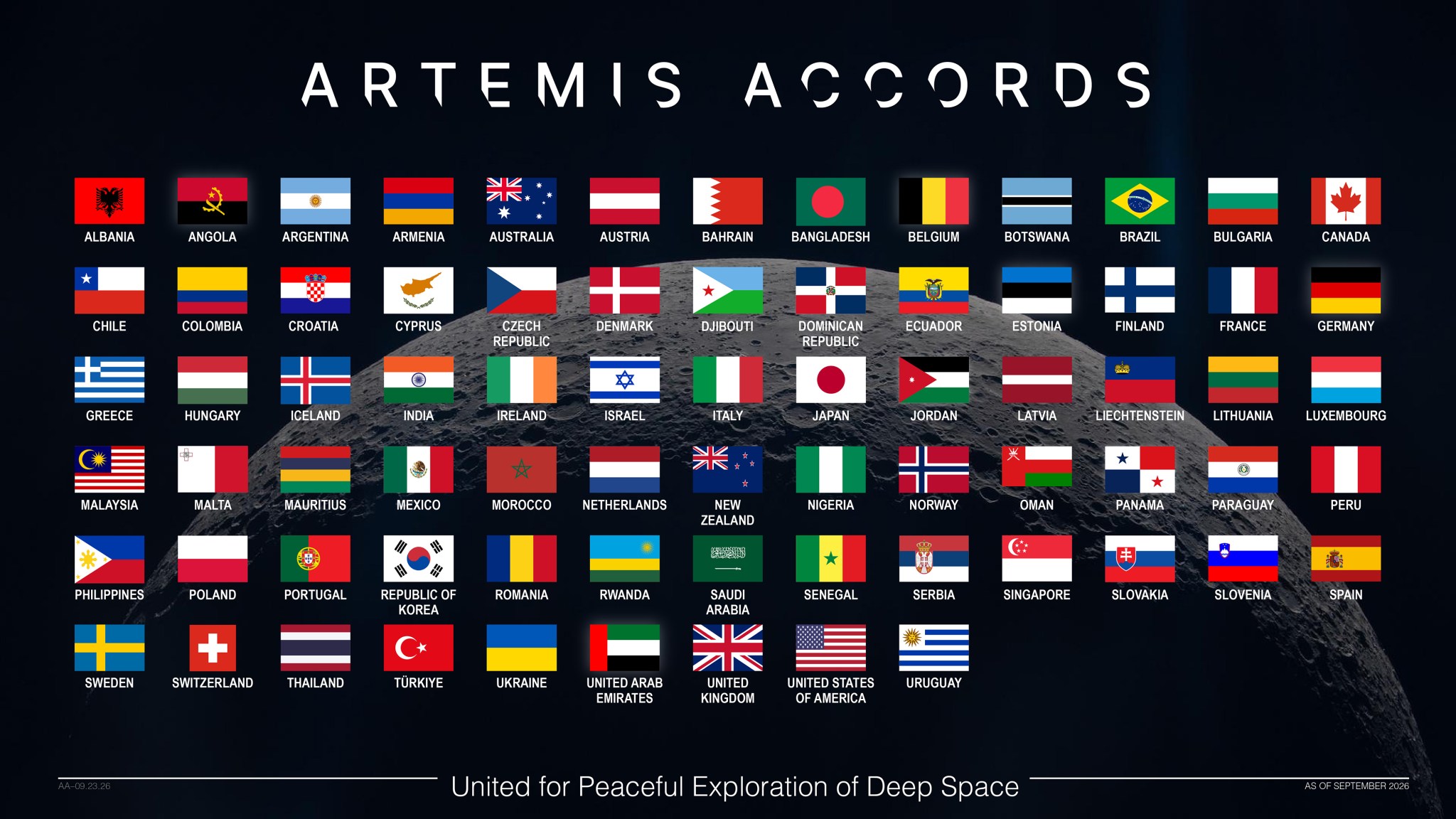
NASA Welcomes Croatia as 74th Signatory to Artemis Accords
Croatia signed the Artemis Accords during a ceremony in Zagreb attended by NASA and US State Department officials.

XPRIZE Wildfire winners detected fires within 10 minutes but could not stop them
The $11 million competition demonstrated that early wildfire detection technology has outpaced the tools available to actually suppress fires once found.
NASA selects far-infrared telescope as first in new Probe Explorers mission class
The PRIMA mission will study the history and evolution of the universe as the first spacecraft in NASA's new Probe Explorers program.

Did El Niño Help Turn Hurricane Polo Into One of the Season's Strongest Storms?
A BBC report examines how El Niño conditions may have contributed to the rapid intensification of Hurricane Polo in the Pacific.
Scientists Warn a Potential Super El Niño Could Contribute to 450,000 Deaths
Researchers say Global South countries would be hit hardest by the weather phenomenon expected to affect the planet from June through February.
Comments
Loading comments…