NASA selects far-infrared telescope as first in new Probe Explorers mission class
The PRIMA mission will study the history and evolution of the universe as the first spacecraft in NASA's new Probe Explorers program.
NASA has announced that a mission called PRIMA, short for PRobe far-Infrared Mission for Astrophysics, is advancing to the next phase of development as the first mission in a new class of NASA astrophysics missions known as Probe Explorers.
The Probe Explorers class falls within the agency's longstanding Explorers Program, which has historically supported a range of relatively low-cost, focused astrophysics and heliophysics missions.
PRIMA is designed to explore the history and evolution of the universe using far-infrared observations, a wavelength range that allows scientists to study phenomena such as star formation, galaxy evolution and other cosmic processes not easily visible in other parts of the spectrum.
As the inaugural mission in the Probe Explorers class, PRIMA is expected to serve as a proof of concept for this new category of missions, potentially paving the way for additional Probe-class astrophysics missions in the future.
NASA has not yet released a detailed timeline for PRIMA's launch, though the mission's advancement to the next development phase marks a significant milestone in its progress toward becoming operational.
Sources
- NASA Selects Far-Infrared Telescope as First in New Mission Class — NASA Breaking News
EGazette summarizes reporting from multiple sources; follow the links for the originals.
Related articles

NASA Welcomes Croatia as 74th Signatory to Artemis Accords
Croatia signed the Artemis Accords during a ceremony in Zagreb attended by NASA and US State Department officials.
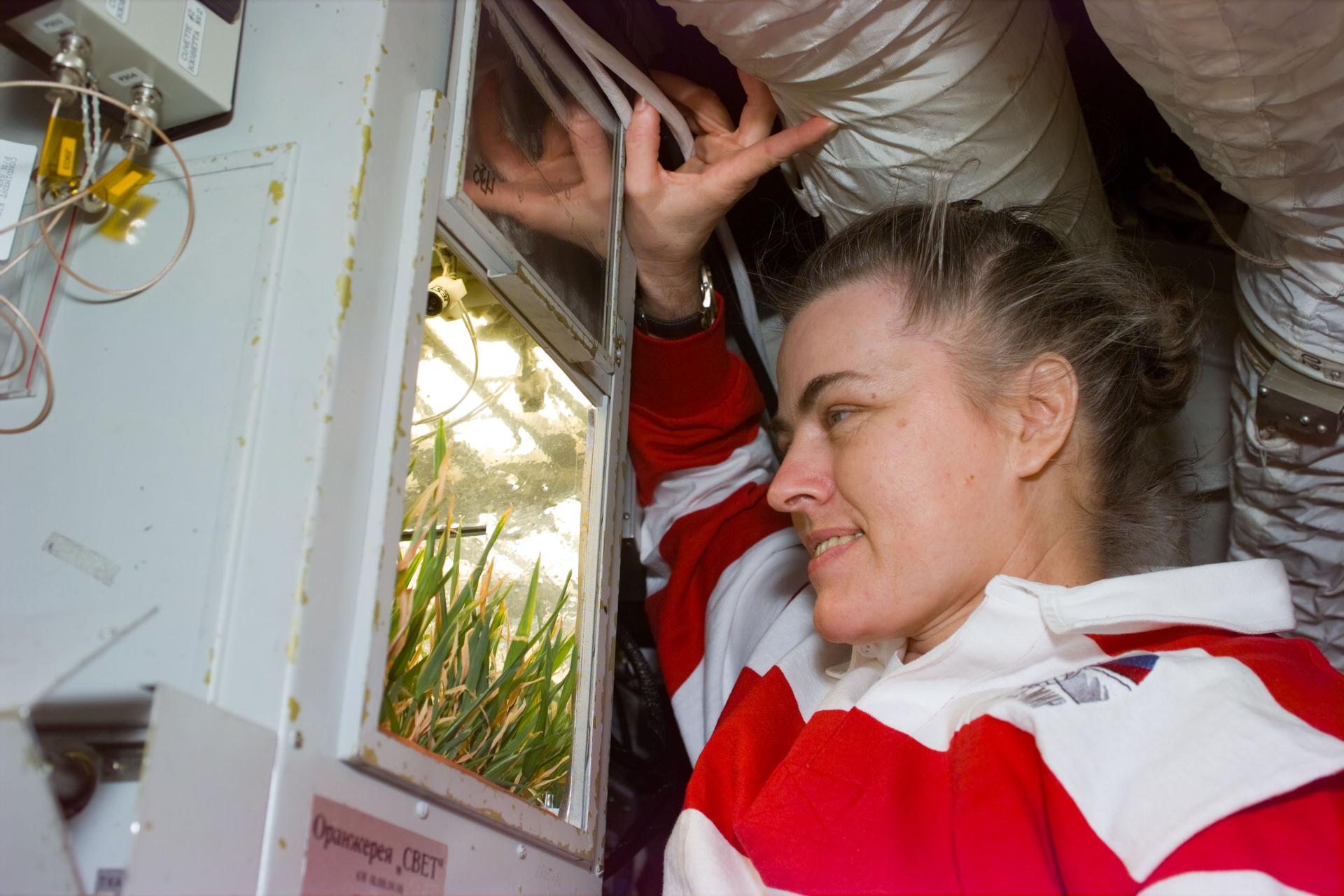
Shannon Lucid's Record-Setting Mission Aboard Mir Recalled by NASA
NASA is highlighting astronaut Shannon Lucid's six-month stay on the Russian space station Mir, a mission that set a US endurance record.
NASA Publishes Hyperwall Schedule for FFA 2026
NASA has released a schedule of Hyperwall presentations to be shown at the FFA 2026 event.
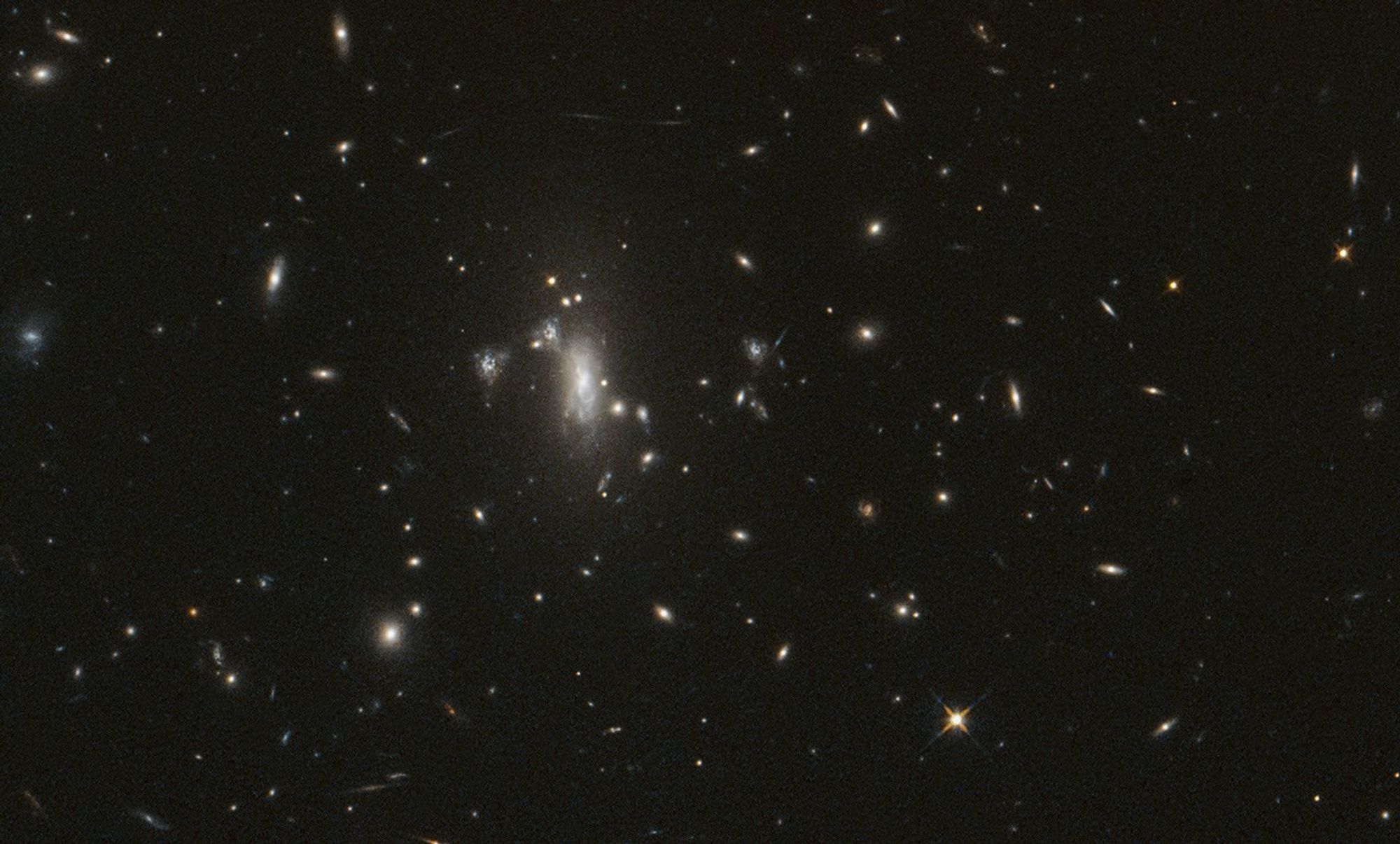
Hubble Telescope Reaches Milestone While Searching for Elusive Supernova
NASA's Hubble Space Telescope captured a new image of a massive galaxy cluster as it looks for the reappearance of a supernova first spotted by Webb in 2025.

Hubble Space Telescope marks 200,000th orbit around Earth
NASA's observatory reached the milestone on September 19, having traveled more than 5 billion miles and completed over 1.7 million observations across 36 years.
Arctic sea ice hits 2026 annual minimum, tying for 10th-lowest on record
NASA and NSIDC say the ice cover bottomed out at 1.78 million square miles on September 12, matching 2008, 2010 and 2025.
Comments
Loading comments…