Hubble Space Telescope marks 200,000th orbit around Earth
NASA's observatory reached the milestone on September 19, having traveled more than 5 billion miles and completed over 1.7 million observations across 36 years.

NASA's Hubble Space Telescope completed its 200,000th orbit around Earth on September 19, marking a new milestone for an observatory that has spent more than three decades reshaping scientific understanding of the universe.
Over its 36-year lifetime, Hubble has traveled more than 5 billion miles around Earth and completed more than 1.7 million total observations, according to NASA. The telescope marked the occasion with an observation aimed at a gravitationally lensed supernova, continuing its long-running work studying distant cosmic phenomena.
Decades of discovery
Launched in 1990, Hubble has become one of the most productive scientific instruments ever built, providing images and data that have contributed to major advances in astronomy, from measuring the rate of the universe's expansion to capturing detailed images of distant galaxies, nebulae and planetary systems.
The telescope's ability to observe gravitationally lensed objects, such as the supernova referenced in connection with this milestone, allows astronomers to study extremely distant or faint cosmic events that would otherwise be difficult to detect, by using the gravity of foreground galaxies to magnify light from background sources.
NASA did not provide additional details, in the material available, about the specific findings from the September 19 observation or how the data will be used in ongoing research.
Hubble continues to operate alongside newer observatories such as the James Webb Space Telescope, with NASA maintaining both missions as complementary tools for studying the universe.
Sources
- NASA’s Hubble Seeks Lensed Supernova, Marks 200,000 Orbits — NASA Breaking News
EGazette summarizes reporting from multiple sources; follow the links for the originals.
Related articles
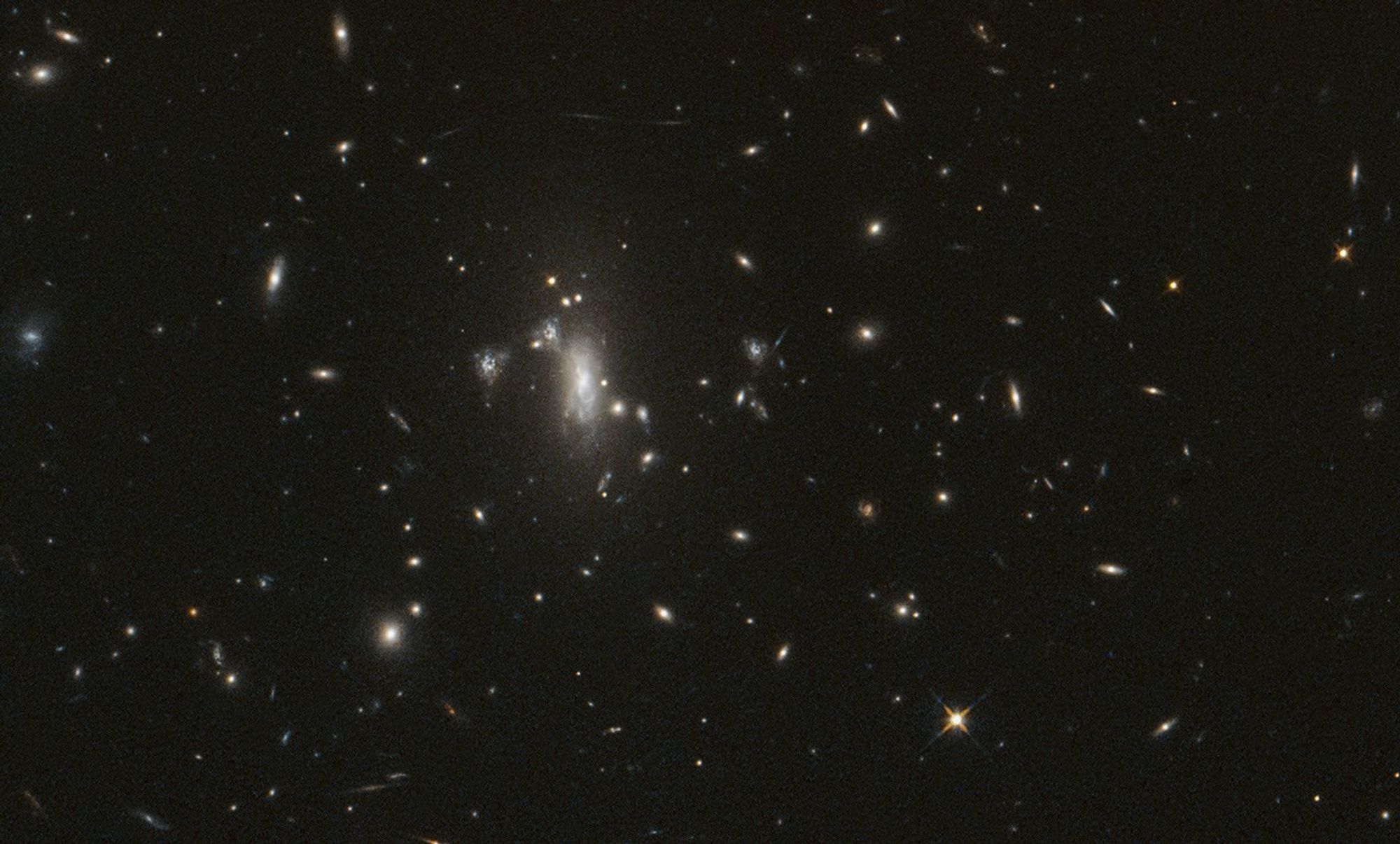
Hubble Telescope Reaches Milestone While Searching for Elusive Supernova
NASA's Hubble Space Telescope captured a new image of a massive galaxy cluster as it looks for the reappearance of a supernova first spotted by Webb in 2025.
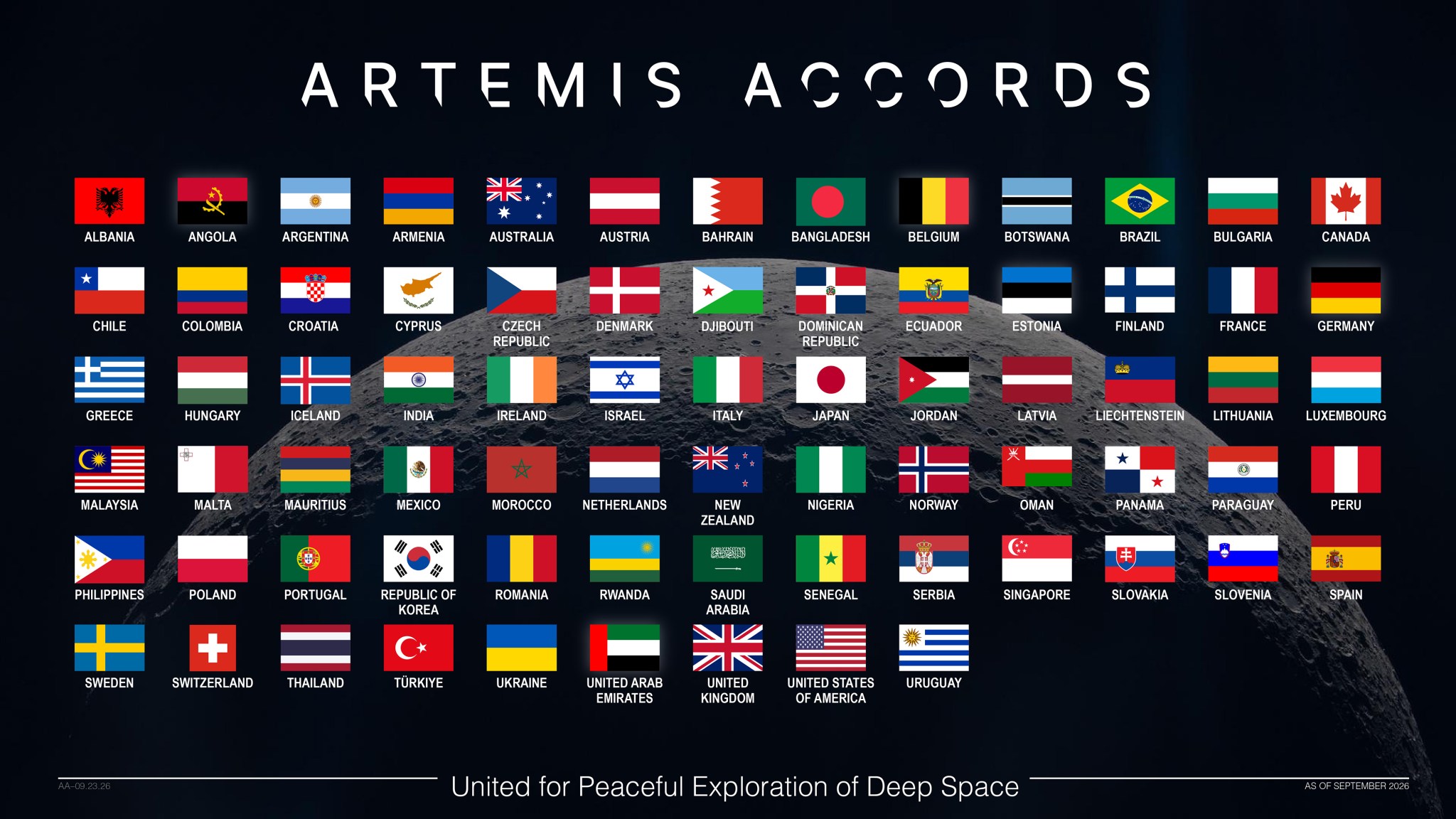
NASA Welcomes Croatia as 74th Signatory to Artemis Accords
Croatia signed the Artemis Accords during a ceremony in Zagreb attended by NASA and US State Department officials.
NASA selects far-infrared telescope as first in new Probe Explorers mission class
The PRIMA mission will study the history and evolution of the universe as the first spacecraft in NASA's new Probe Explorers program.
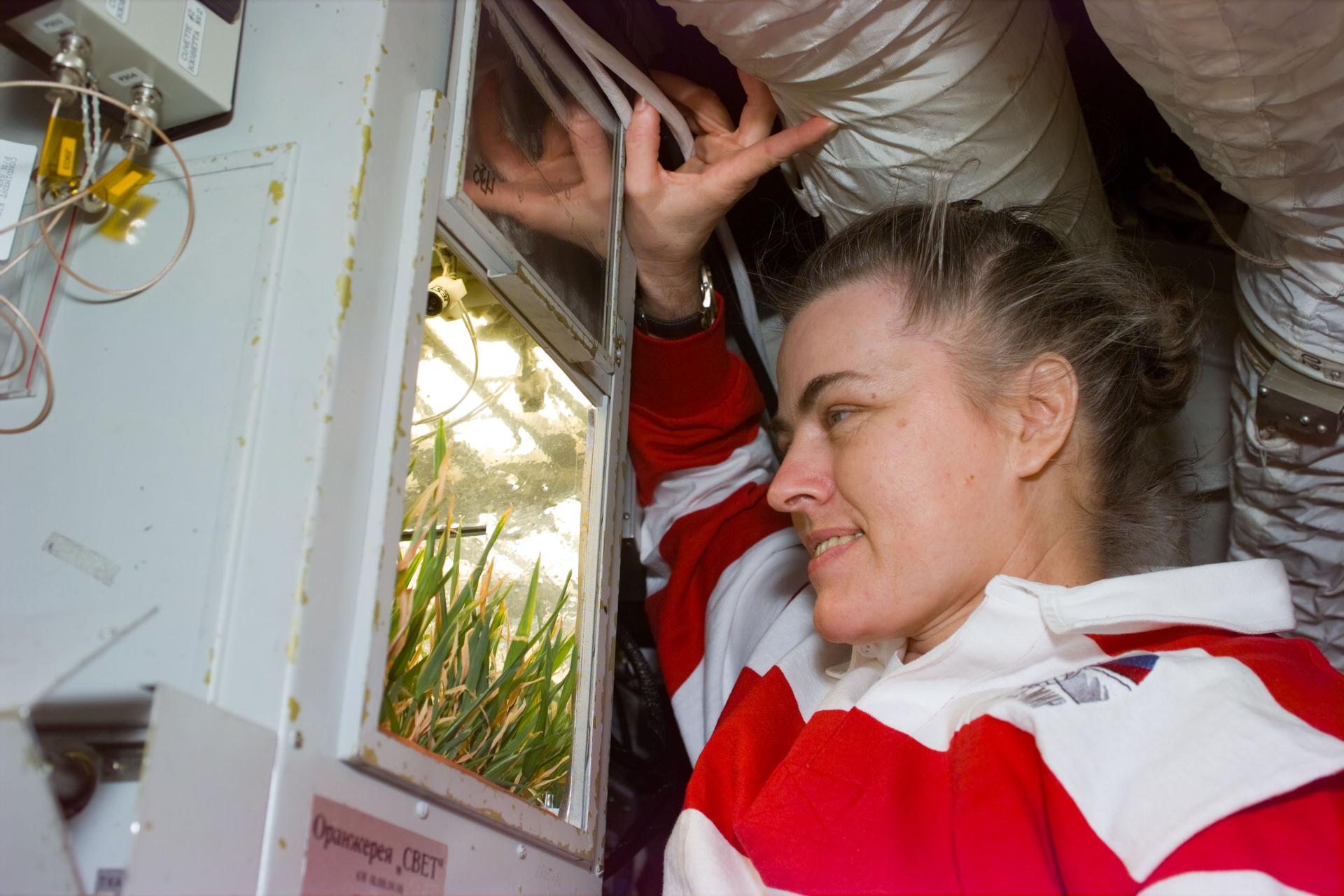
Shannon Lucid's Record-Setting Mission Aboard Mir Recalled by NASA
NASA is highlighting astronaut Shannon Lucid's six-month stay on the Russian space station Mir, a mission that set a US endurance record.
NASA Publishes Hyperwall Schedule for FFA 2026
NASA has released a schedule of Hyperwall presentations to be shown at the FFA 2026 event.
Taurid meteor showers set to light up the fall sky with bright fireballs
The Taurid meteor showers, among the longest-running of the year, will stretch from mid-September through mid-December, offering skywatchers a chance to spot vivid shooting stars.
Comments
Loading comments…