NASA Publishes Hyperwall Schedule for FFA 2026
NASA has released a schedule of Hyperwall presentations to be shown at the FFA 2026 event.
NASA has published a schedule for Hyperwall presentations associated with the FFA 2026 event, according to a listing posted on the agency's science website.
NASA's Hyperwall is a large multi-screen display system the agency uses at conferences and public events to showcase visualizations of Earth science, space exploration and other NASA research in a large-format, high-resolution setting. Hyperwall presentations typically feature short segments covering a range of NASA's ongoing missions and scientific findings.
The published schedule outlines when specific Hyperwall segments will be presented during FFA 2026, though the listing itself provided limited additional detail beyond the schedule announcement.
NASA regularly issues Hyperwall schedules ahead of major scientific and educational events as part of its public outreach efforts, giving attendees a guide to when particular topics or missions will be featured on the display.
Further details about the specific content of each scheduled segment were not included in the initial listing.
Sources
- FFA 2026 Hyperwall Schedule — NASA Breaking News
EGazette summarizes reporting from multiple sources; follow the links for the originals.
Related articles
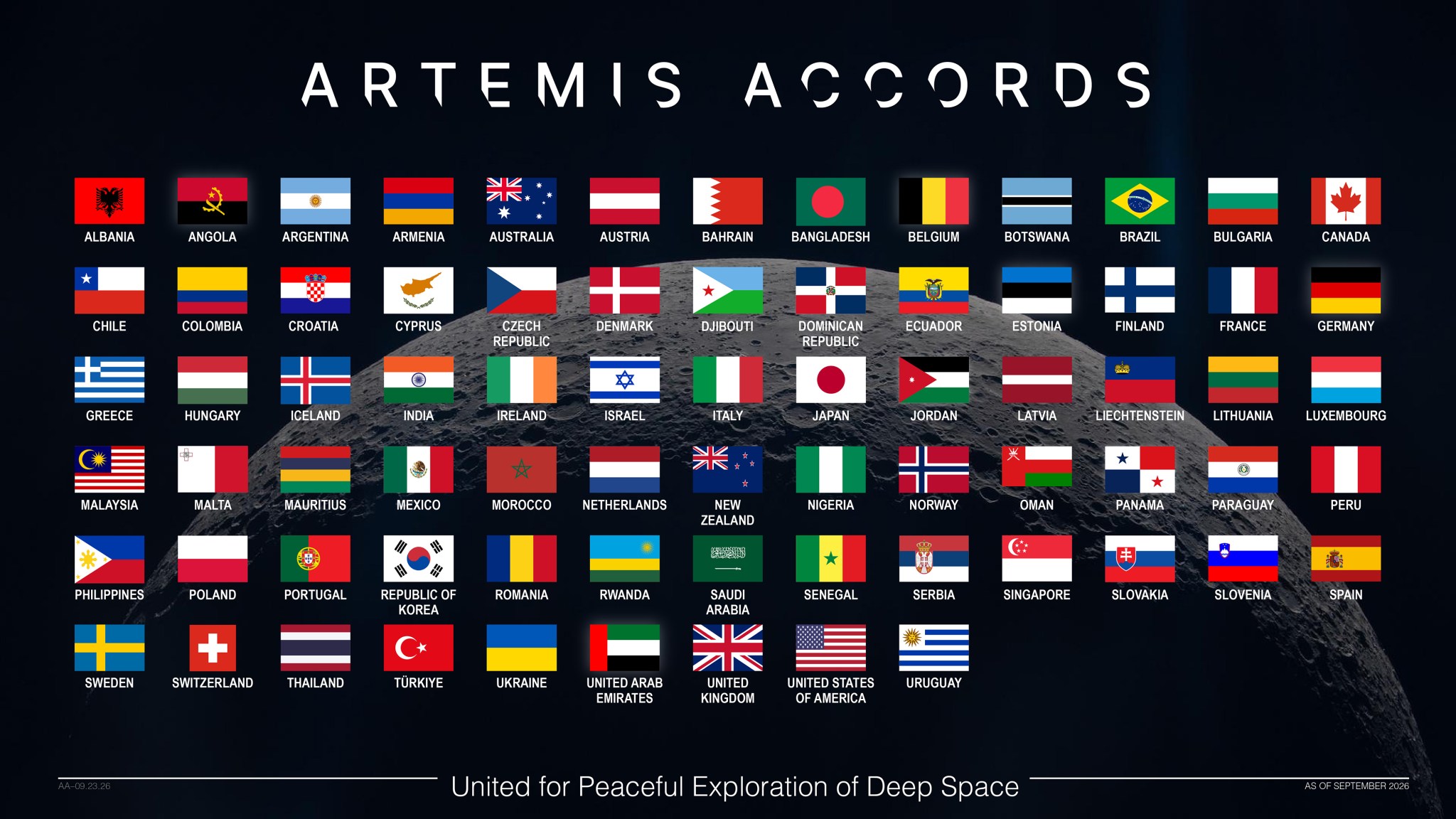
NASA Welcomes Croatia as 74th Signatory to Artemis Accords
Croatia signed the Artemis Accords during a ceremony in Zagreb attended by NASA and US State Department officials.
NASA selects far-infrared telescope as first in new Probe Explorers mission class
The PRIMA mission will study the history and evolution of the universe as the first spacecraft in NASA's new Probe Explorers program.
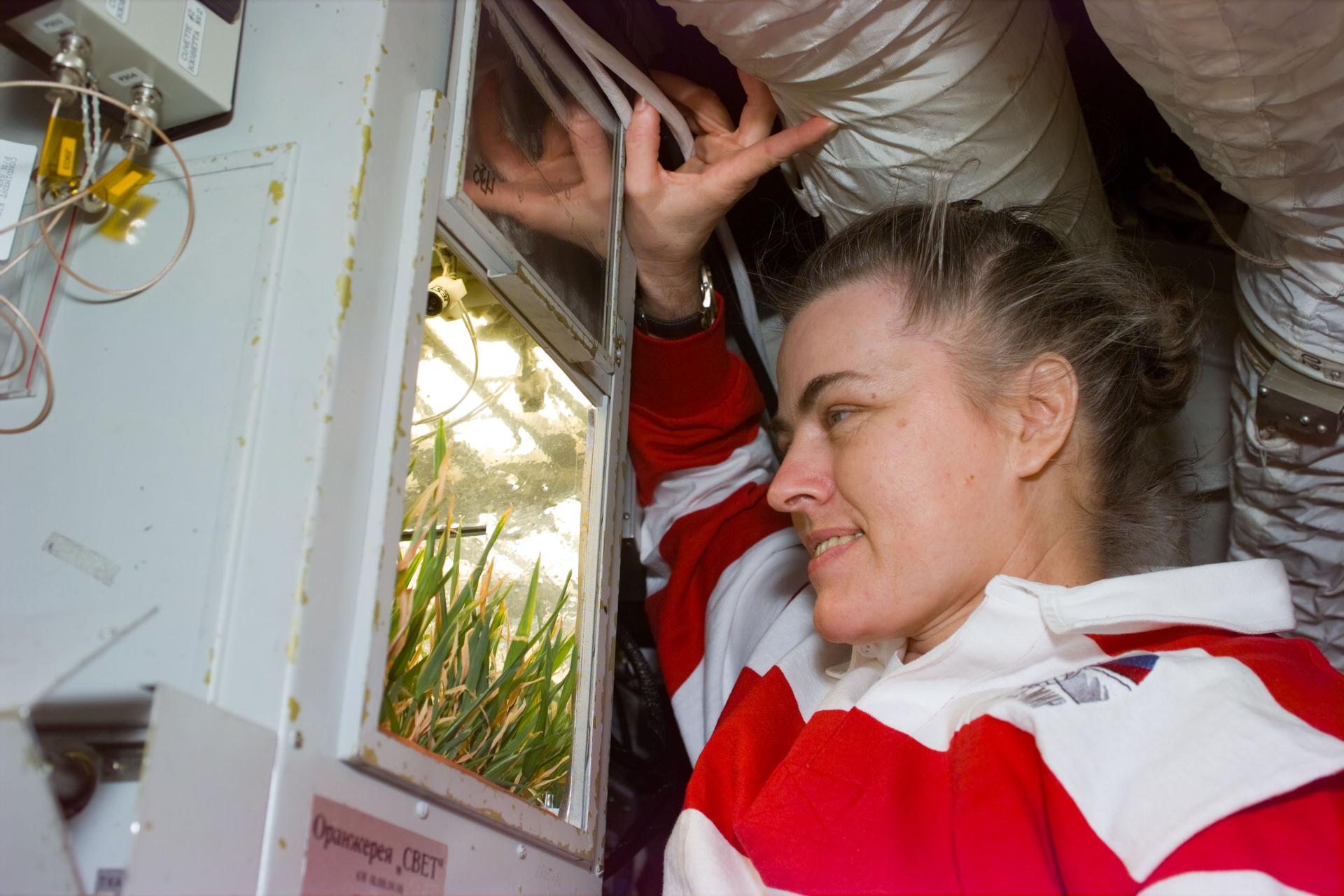
Shannon Lucid's Record-Setting Mission Aboard Mir Recalled by NASA
NASA is highlighting astronaut Shannon Lucid's six-month stay on the Russian space station Mir, a mission that set a US endurance record.
Hubble Telescope Reaches Milestone While Searching for Elusive Supernova
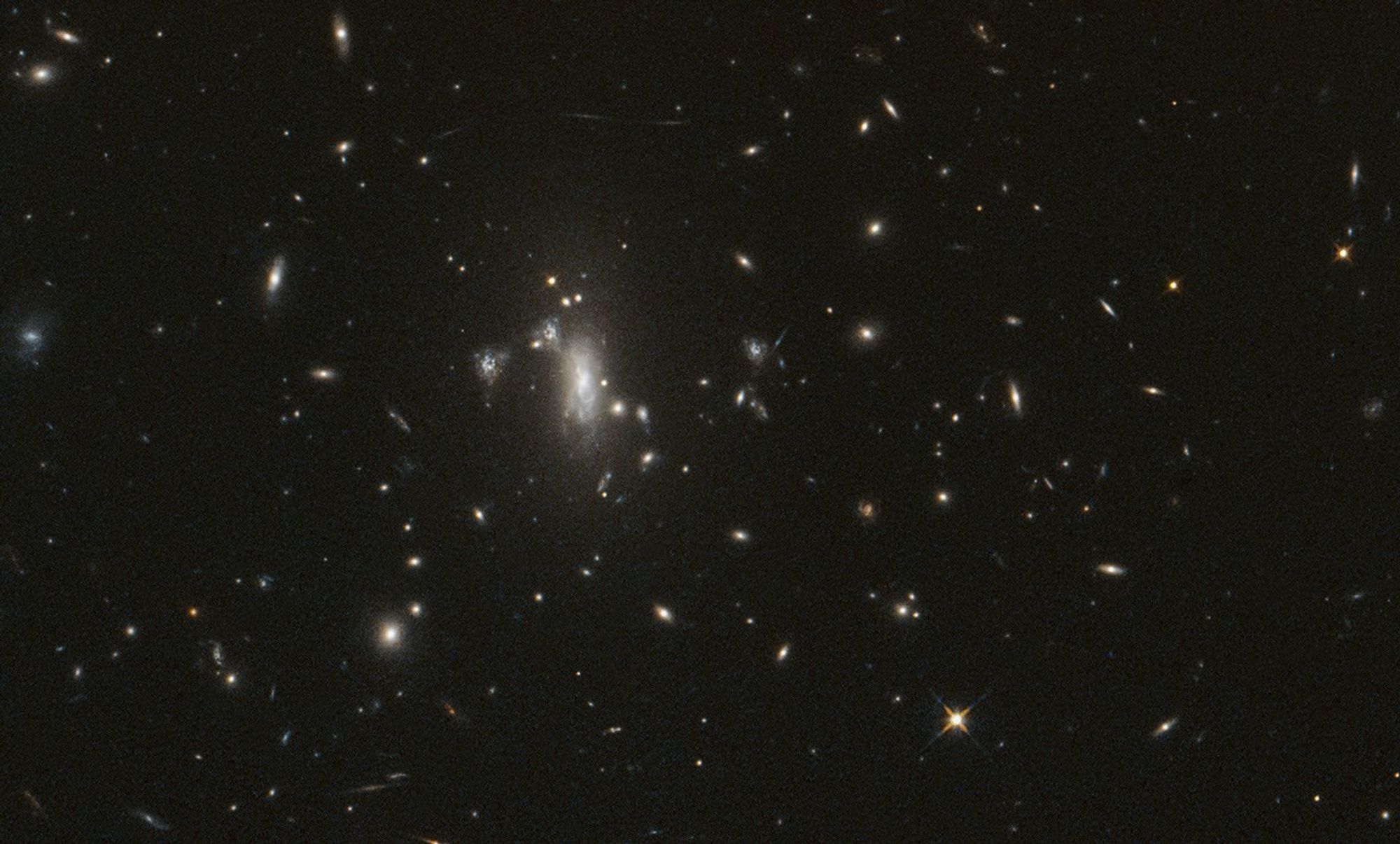
NASA's Hubble Space Telescope captured a new image of a massive galaxy cluster as it looks for the reappearance of a supernova first spotted by Webb in 2025.

Hubble Space Telescope marks 200,000th orbit around Earth
NASA's observatory reached the milestone on September 19, having traveled more than 5 billion miles and completed over 1.7 million observations across 36 years.
Arctic sea ice hits 2026 annual minimum, tying for 10th-lowest on record
NASA and NSIDC say the ice cover bottomed out at 1.78 million square miles on September 12, matching 2008, 2010 and 2025.
Comments
Loading comments…