Hubble Telescope Reaches Milestone While Searching for Elusive Supernova
NASA's Hubble Space Telescope captured a new image of a massive galaxy cluster as it looks for the reappearance of a supernova first spotted by Webb in 2025.
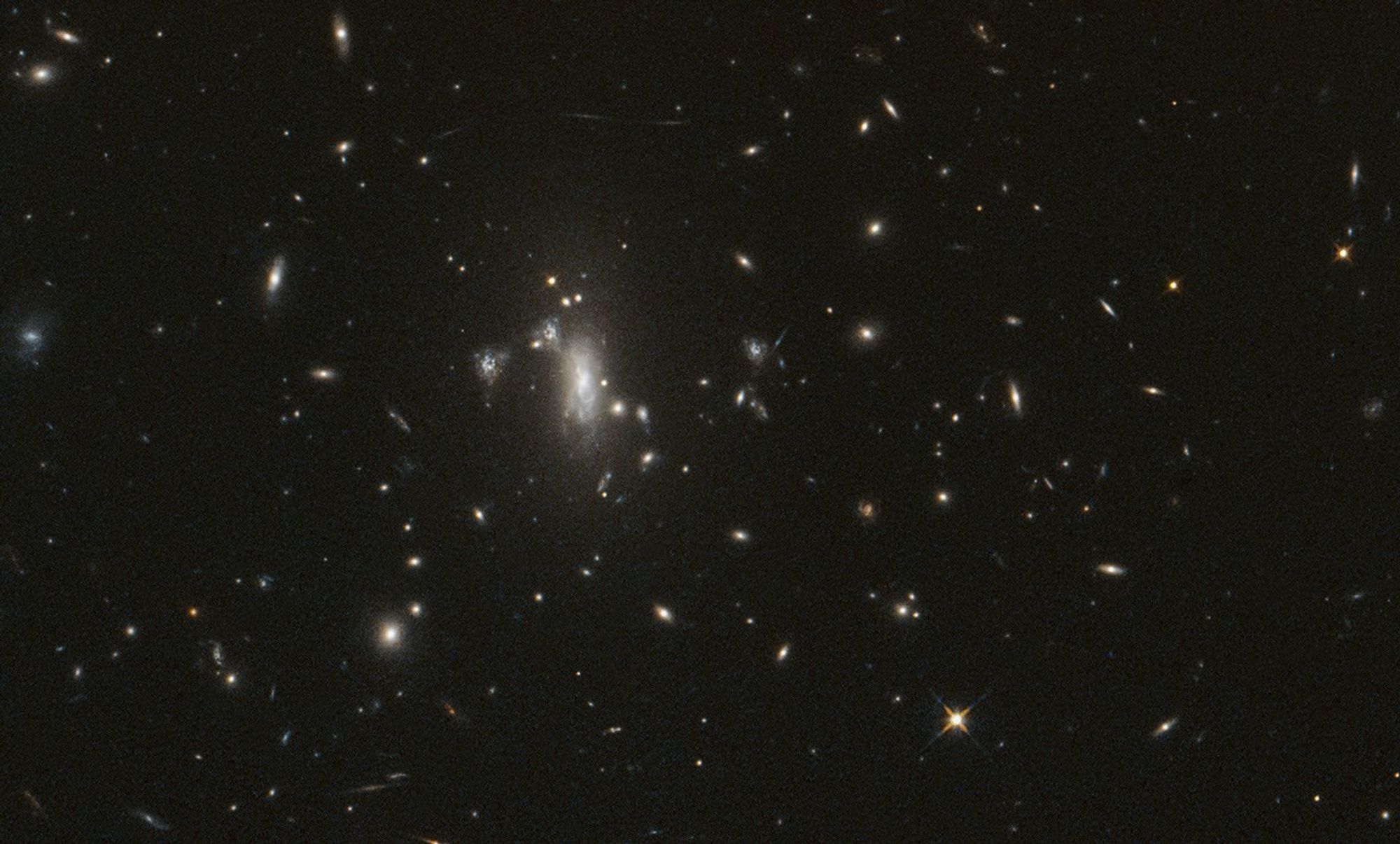
NASA's Hubble Space Telescope has reached a milestone while capturing a new image of the massive galaxy cluster MACS J0417, taken on September 19, 2026, according to a NASA report.
The galaxy cluster acts as a gravitational lens, bending and magnifying light from objects located far behind it, a phenomenon astronomers use to observe otherwise faint or distant cosmic objects.
The image is part of an effort to look for Supernova Athena, a stellar explosion first discovered by NASA's James Webb Space Telescope in 2025. Astronomers predict the supernova could reappear at some point between now and a future window, owing to the gravitational lensing effect of the galaxy cluster, which can produce multiple delayed images of the same distant event.
The observation adds to a growing body of work using gravitational lensing to study distant supernovae, offering astronomers a rare opportunity to study the same stellar explosion at different points as its light arrives via different paths through the lensing cluster.
Sources
- NASA’s Hubble Telescope Reaches Milestone, Looks for Elusive Supernova — NASA Breaking News
EGazette summarizes reporting from multiple sources; follow the links for the originals.
Related articles

Hubble Space Telescope marks 200,000th orbit around Earth
NASA's observatory reached the milestone on September 19, having traveled more than 5 billion miles and completed over 1.7 million observations across 36 years.
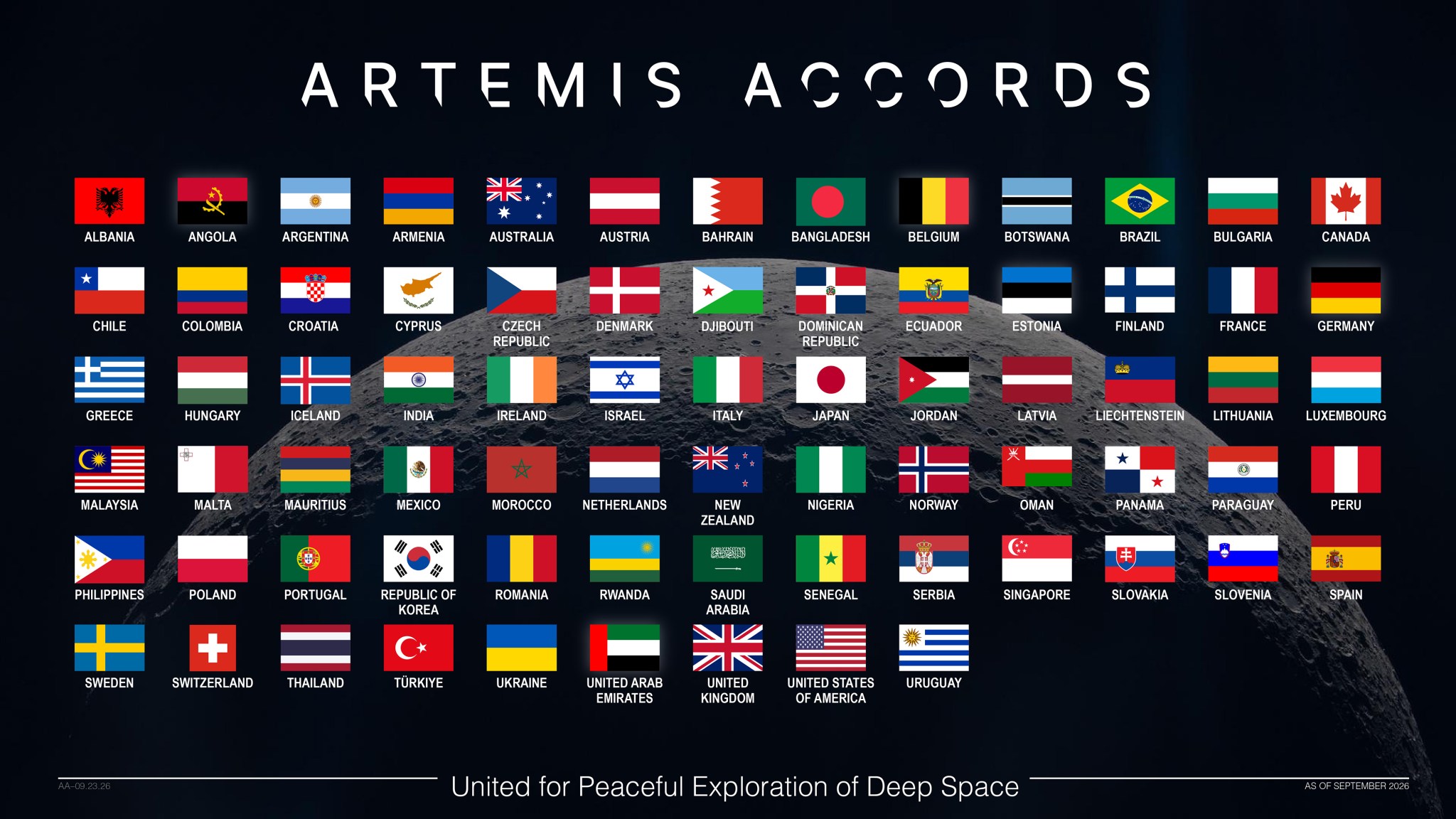
NASA Welcomes Croatia as 74th Signatory to Artemis Accords
Croatia signed the Artemis Accords during a ceremony in Zagreb attended by NASA and US State Department officials.
NASA selects far-infrared telescope as first in new Probe Explorers mission class
The PRIMA mission will study the history and evolution of the universe as the first spacecraft in NASA's new Probe Explorers program.
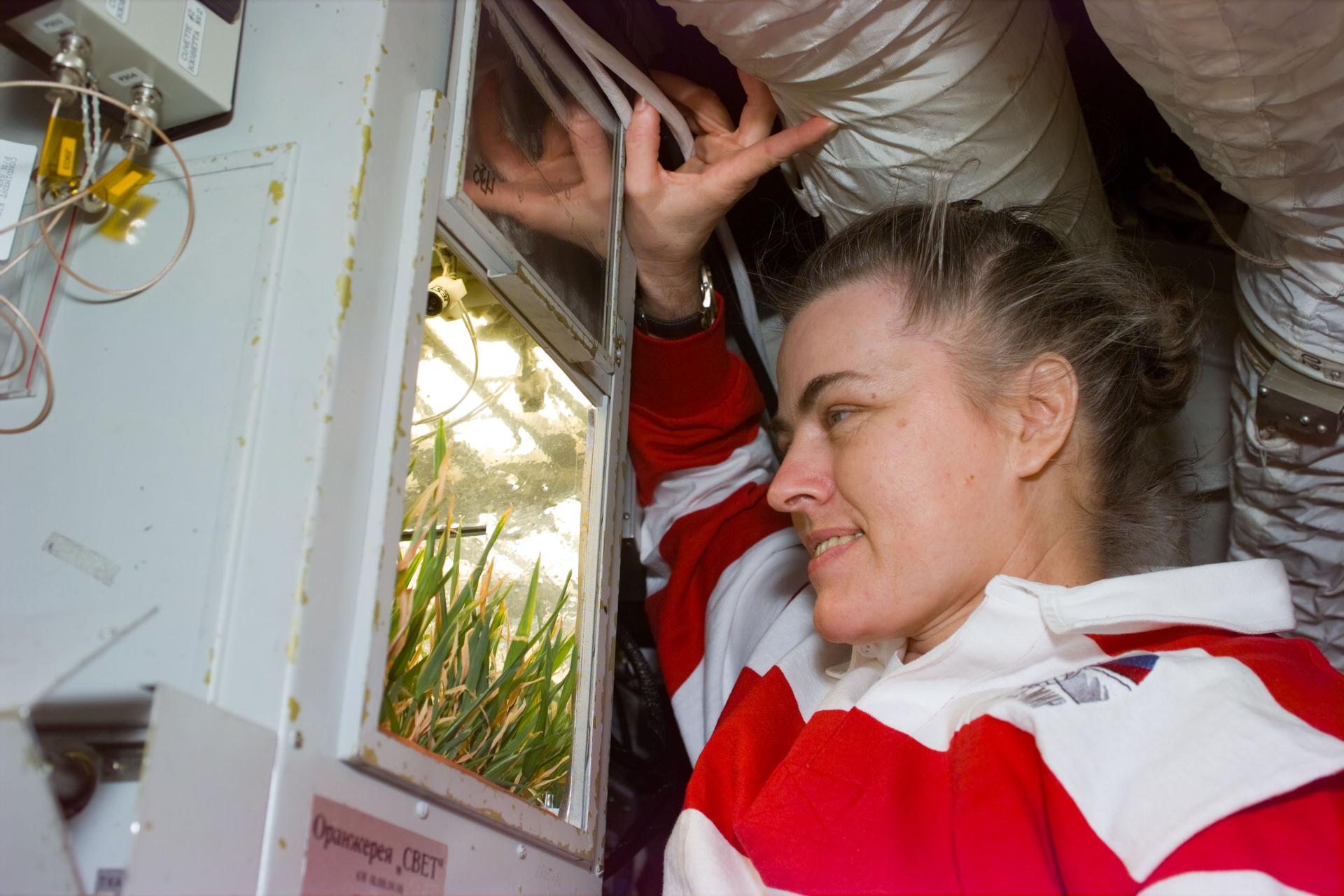
Shannon Lucid's Record-Setting Mission Aboard Mir Recalled by NASA
NASA is highlighting astronaut Shannon Lucid's six-month stay on the Russian space station Mir, a mission that set a US endurance record.
NASA Publishes Hyperwall Schedule for FFA 2026
NASA has released a schedule of Hyperwall presentations to be shown at the FFA 2026 event.
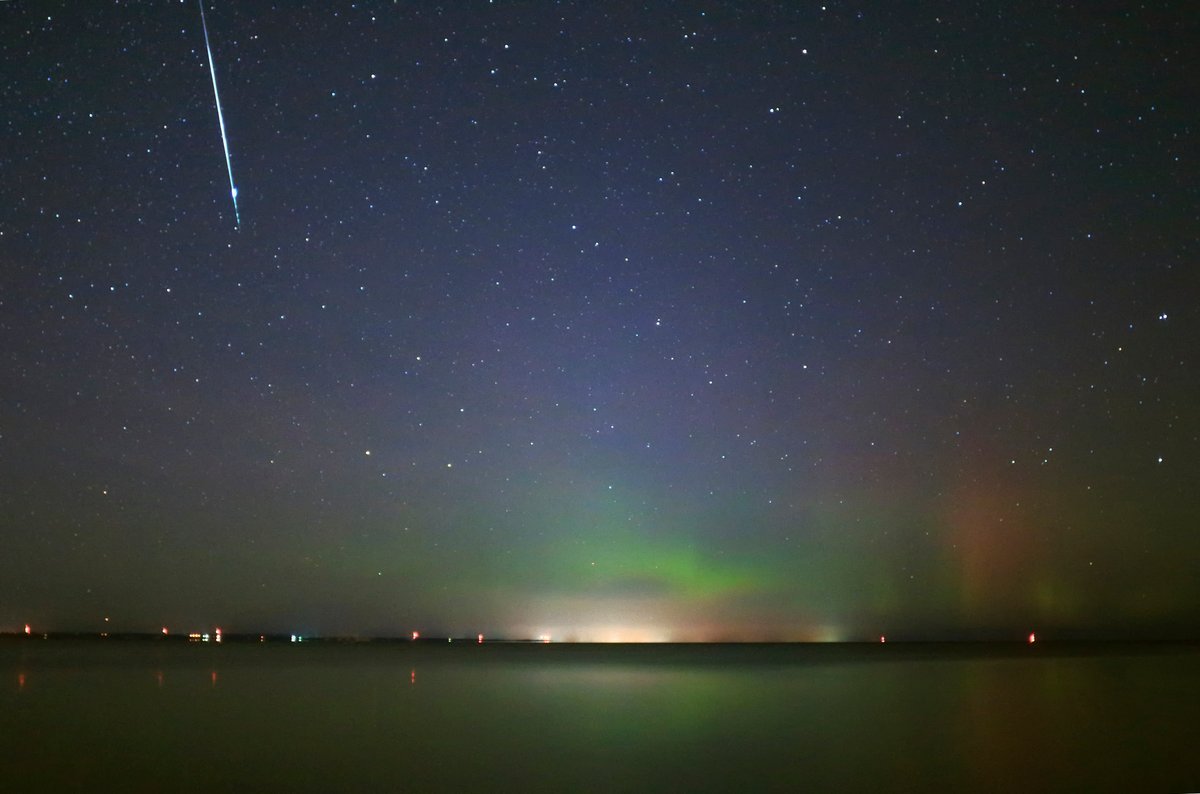
Taurid meteor showers set to light up the fall sky with bright fireballs
The Taurid meteor showers, among the longest-running of the year, will stretch from mid-September through mid-December, offering skywatchers a chance to spot vivid shooting stars.
Comments
Loading comments…