NASA's Picture of the Day Captures the 'Ghosts' of Five Ancient Supernovas
The September 24 Astronomy Picture of the Day from NASA highlights the faint, ghostly remnants left behind by five separate supernova explosions.

NASA's Astronomy Picture of the Day (APOD) for September 24 features an image depicting the faint remnants of five supernovas, structures the feature describes as the "ghosts" of the long-exploded stars, according to NASA's science site.
APOD is a long-running daily feature published by NASA in which a different image or photograph of space is showcased alongside a short explanation written by a professional astronomer, making it a widely followed resource for space enthusiasts and educators.
Supernova remnants are the expanding clouds of gas and dust left behind after a massive star explodes at the end of its life cycle, or after a white dwarf star undergoes a runaway nuclear reaction. Over time, these remnants spread outward and fade, leaving faint, wispy structures that can persist and remain observable for thousands of years after the initial explosion.
The specific supernova remnants featured in this installment were presented in both an original and an annotated version, a format APOD frequently uses to help viewers identify the features being described within the wider image.
NASA's site did not provide further technical detail in the excerpt about which five supernova remnants were depicted, their distance from Earth, or the telescope used to capture the image. The feature is part of NASA's broader effort to make astronomical imagery and research accessible to the public through daily, explained visuals.
Sources
- APOD: 2026 September 24 – The Ghosts of Five Supernovas — NASA Breaking News
EGazette summarizes reporting from multiple sources; follow the links for the originals.
Related articles
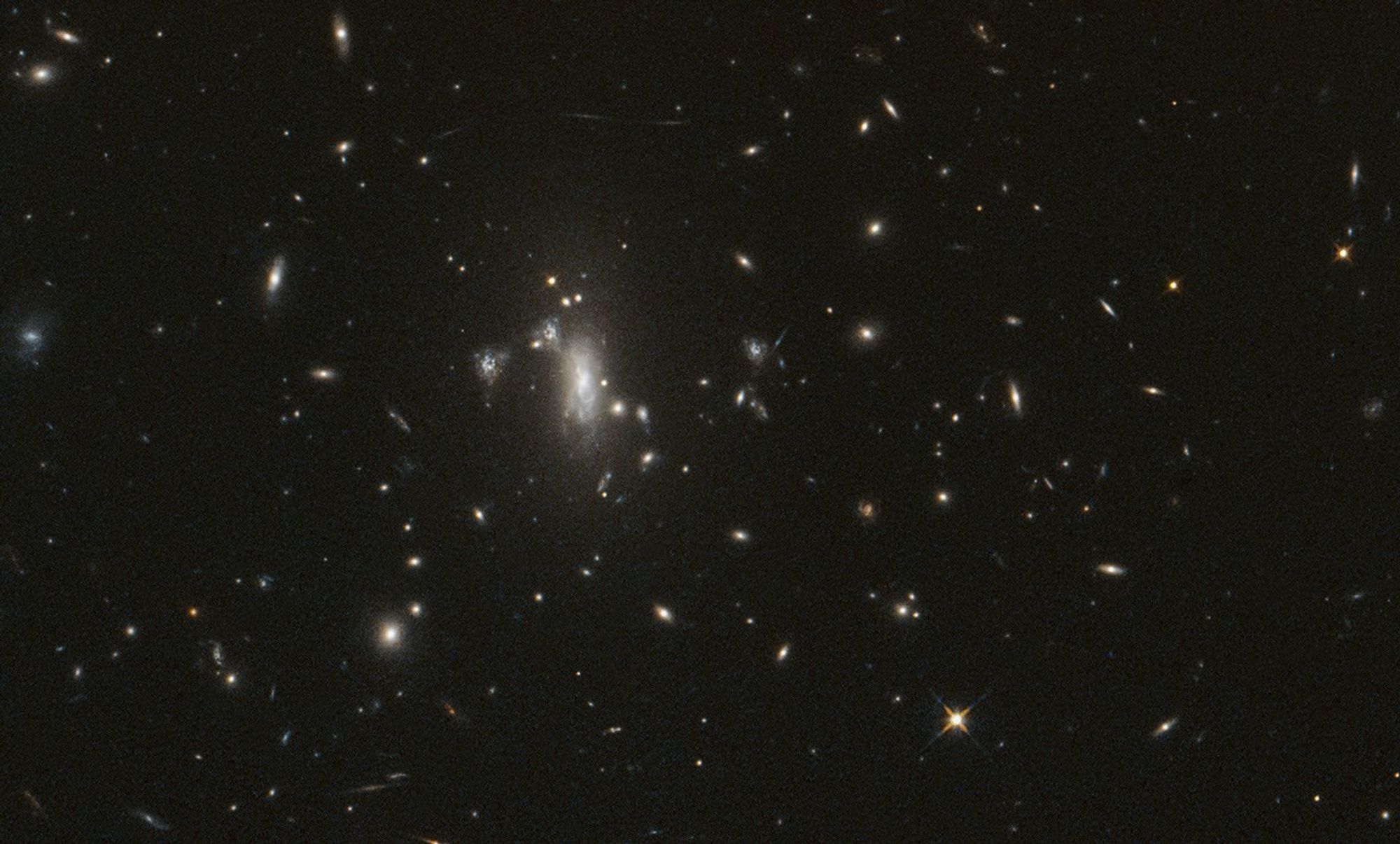
Hubble Telescope Reaches Milestone While Searching for Elusive Supernova
NASA's Hubble Space Telescope captured a new image of a massive galaxy cluster as it looks for the reappearance of a supernova first spotted by Webb in 2025.

Hubble Space Telescope marks 200,000th orbit around Earth
NASA's observatory reached the milestone on September 19, having traveled more than 5 billion miles and completed over 1.7 million observations across 36 years.

NASA Welcomes Croatia as 74th Signatory to Artemis Accords
Croatia signed the Artemis Accords during a ceremony in Zagreb attended by NASA and US State Department officials.
NASA selects far-infrared telescope as first in new Probe Explorers mission class
The PRIMA mission will study the history and evolution of the universe as the first spacecraft in NASA's new Probe Explorers program.
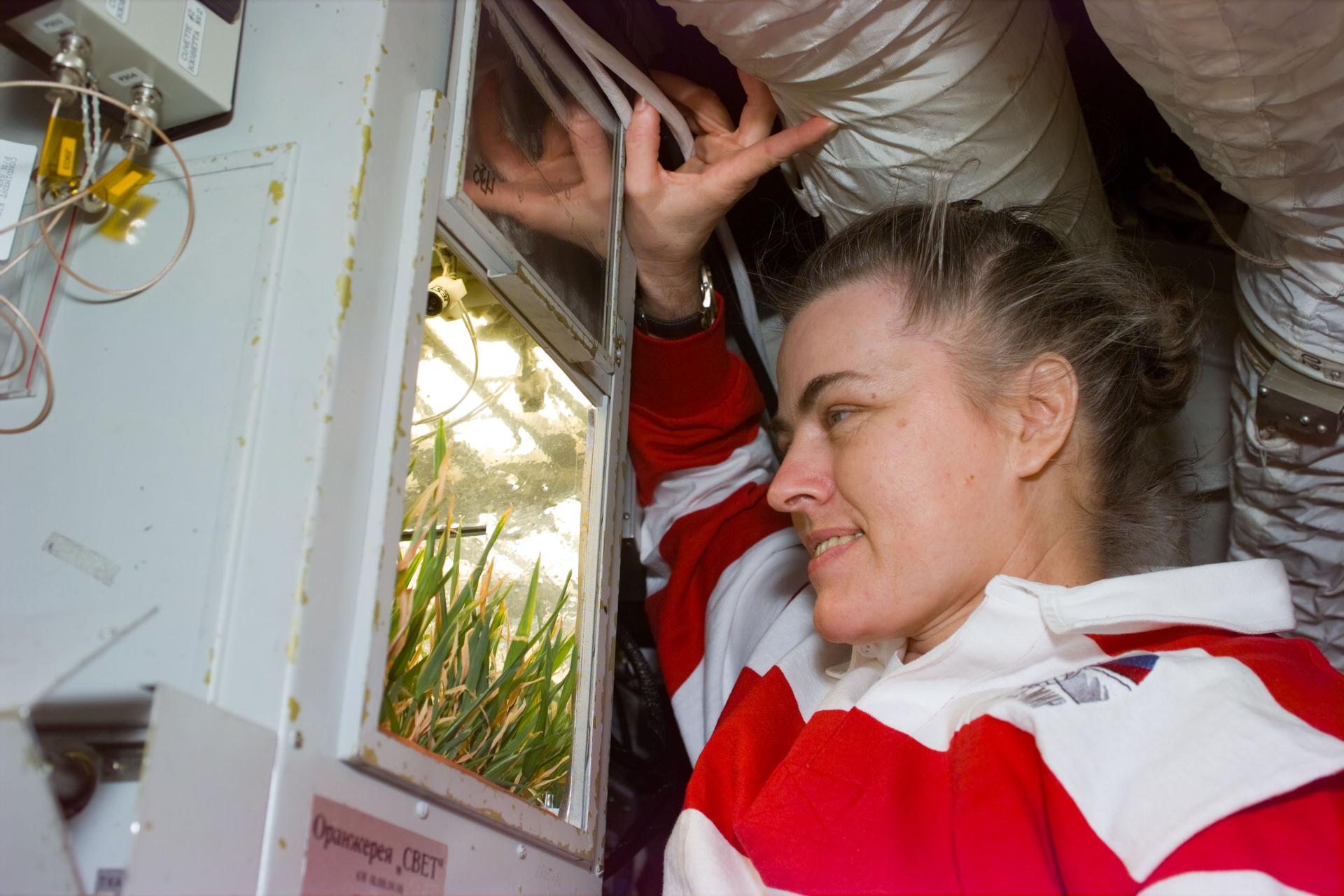
Shannon Lucid's Record-Setting Mission Aboard Mir Recalled by NASA
NASA is highlighting astronaut Shannon Lucid's six-month stay on the Russian space station Mir, a mission that set a US endurance record.
NASA Publishes Hyperwall Schedule for FFA 2026
NASA has released a schedule of Hyperwall presentations to be shown at the FFA 2026 event.
Comments
Loading comments…