Scientists Discover Largest New Impact Crater in the Solar System — on the Moon
Researchers have identified the largest newly discovered impact crater in the solar system on the lunar surface, named after geologist Tom McGetchin.
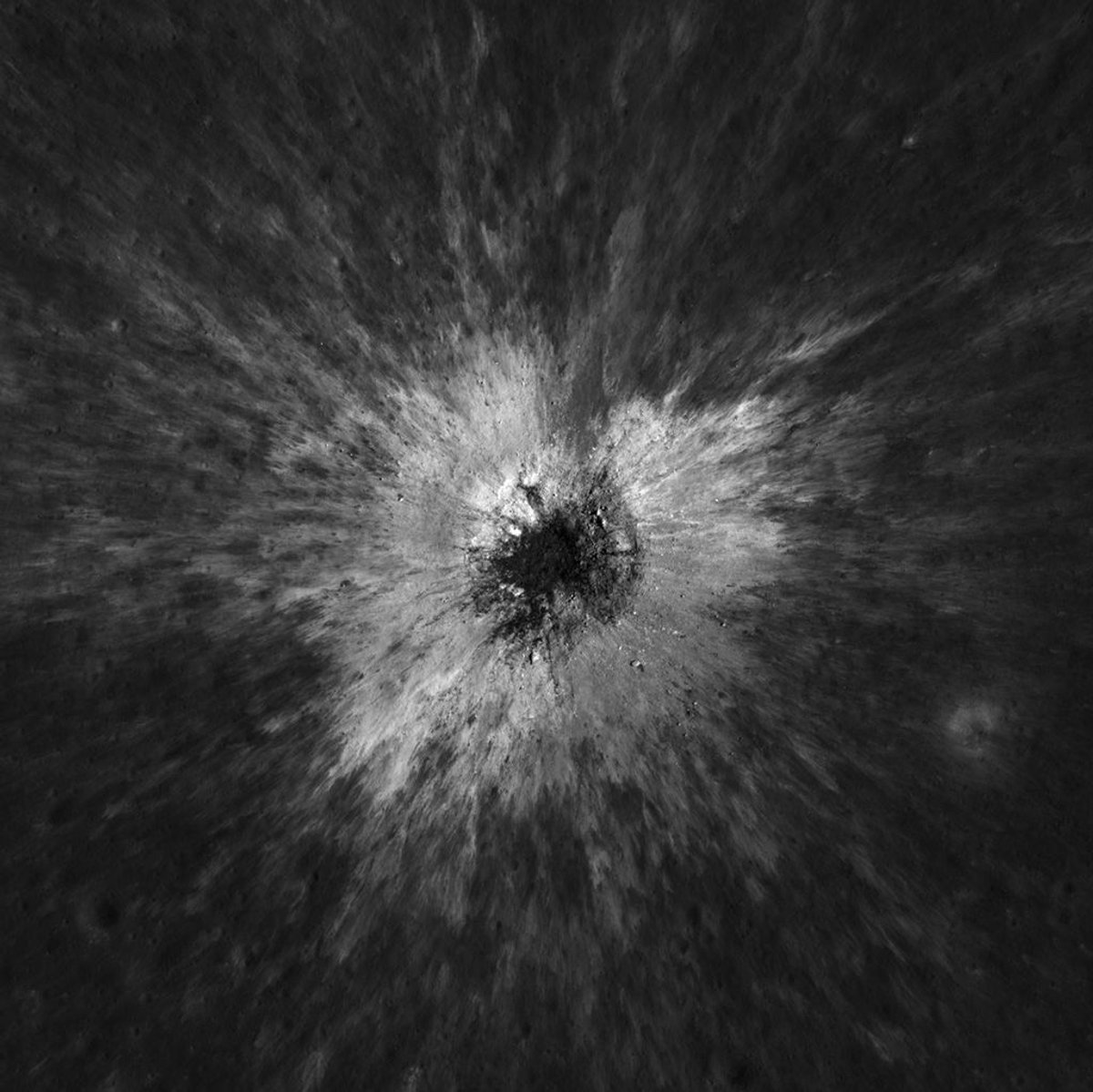
Scientists have identified what is being described as the largest newly discovered impact crater in the solar system, located on the surface of the Moon.
The crater has been named after Tom McGetchin, a geologist and expert on the lunar surface, in recognition of his contributions to the field.
According to researchers, the crater spans more than the width of two football fields, making it a significant find in terms of scale among recently identified impact features.
Impact craters form when asteroids, comets or other objects collide with a planetary or lunar surface at high speed, leaving behind a depression whose size can offer clues about the size and force of the impacting object.
The discovery adds to the broader scientific understanding of the Moon's geological history, as researchers continue to study its surface for evidence of past impacts and other formative events.
Further research is expected to examine the crater in more detail, potentially offering additional insight into the timing and nature of the impact that created it.
Sources
- Scientists discover largest new impact crater in the solar system ever—on our moon — Scientific American
EGazette summarizes reporting from multiple sources; follow the links for the originals.
Related articles
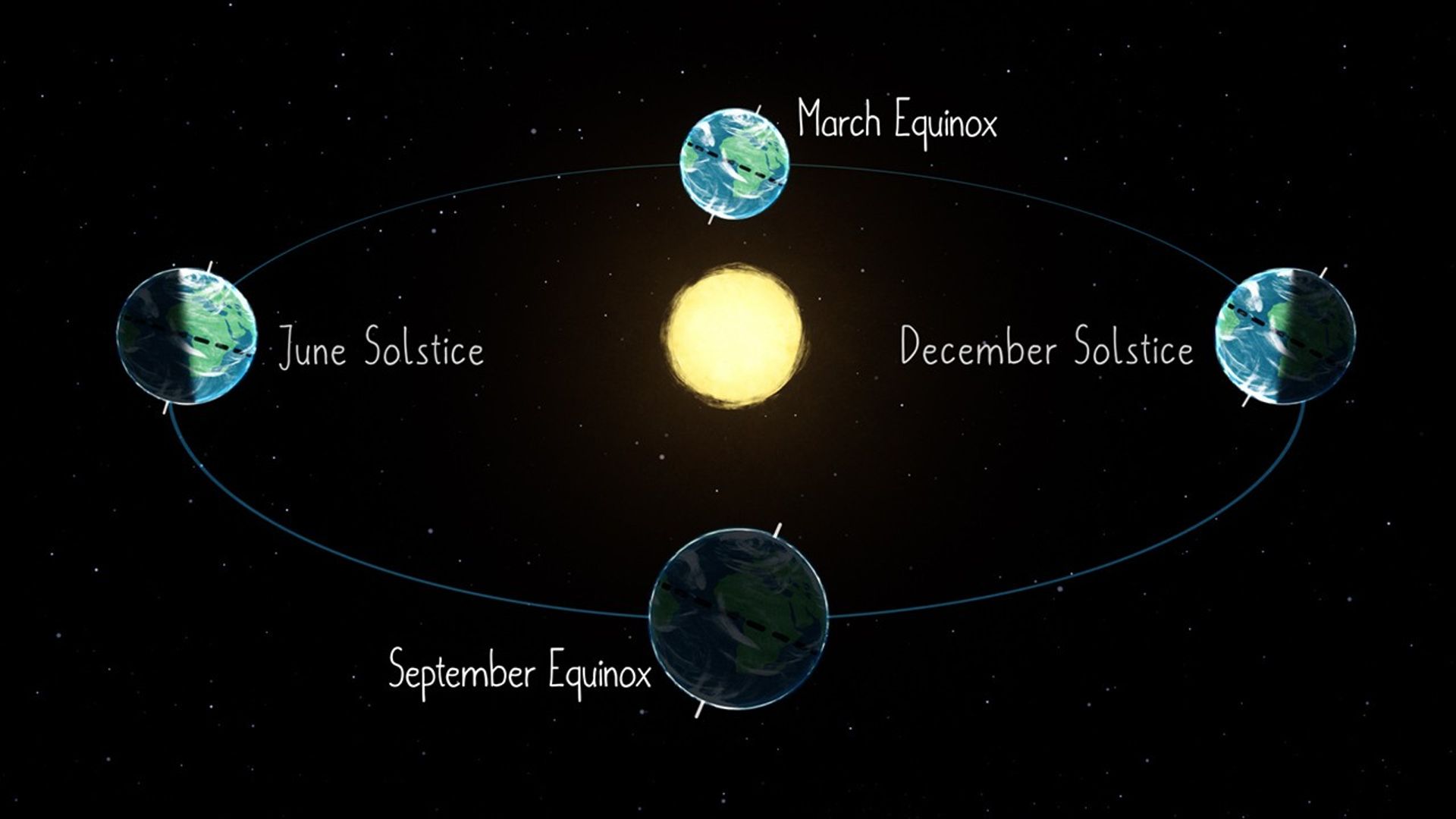
NASA highlights the science and history of the equinox
The agency explains how equinoxes have long helped people track seasonal change and the motion of the sky.
Study Finds Current El Nino Could Cause Over 450,000 Heat-Related Deaths
University of Chicago researchers estimate the current El Nino event could cause around 451,000 heat-related deaths, though targeted emergency measures could prevent tens of thousands of them.
Ancient Gallo-Roman Wall Found Beneath Paris May Confirm City's Original Settlement Site
French culture ministry officials have hailed the discovery of a roughly 20-metre wall dating to the Gallo-Roman period, found beneath a building near Notre Dame Cathedral, as a major archaeological breakthrough.

Guardian Investigation Examines Alleged Links Between IPCC Authors and Saudi Oil Industry
A Guardian investigation examines alleged links between IPCC report authors and Saudi Arabia's oil industry, raising questions about the politicisation of climate science.
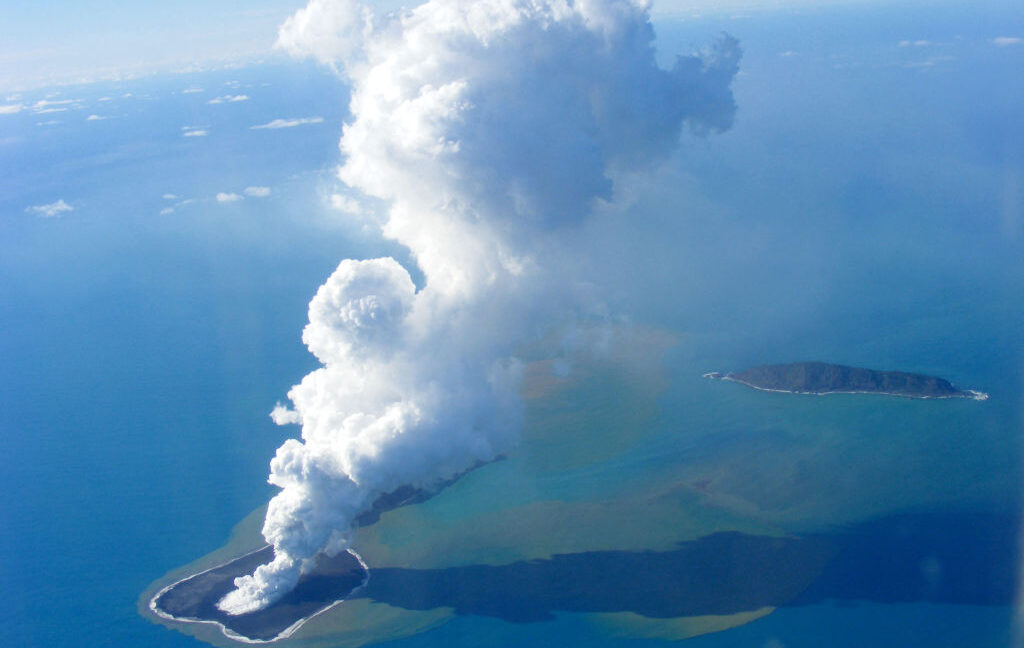
Small undersea volcanoes may trigger outsized tsunamis, new imaging suggests
Post-eruption imaging of the Hunga caldera has provided new details about its collapse, raising questions about tsunami risk from smaller undersea volcanoes.
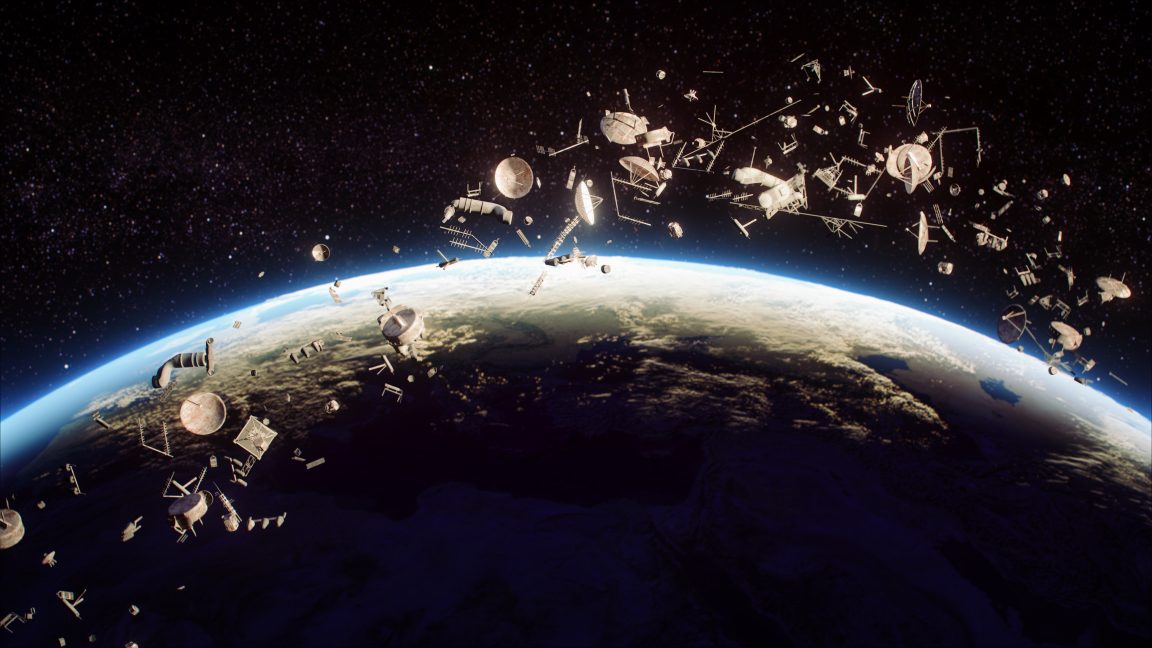
New European report raises alarm over risk of orbital collisions
Experts warn that growing congestion in orbit could make some orbits unusable if left unaddressed.
Comments
Loading comments…