Ancient Gallo-Roman Wall Found Beneath Paris May Confirm City's Original Settlement Site
French culture ministry officials have hailed the discovery of a roughly 20-metre wall dating to the Gallo-Roman period, found beneath a building near Notre Dame Cathedral, as a major archaeological breakthrough.
Archaeologists have uncovered an ancient wall beneath the streets of Paris that French officials say could help confirm the location of the city's original settlement, in what the country's culture ministry has described as a "major breakthrough."
The structure, roughly 20 metres (about 65 feet) long, dates from the Gallo-Roman period and was discovered this summer beneath a building on the Île de la Cité, the island in the Seine River near Notre Dame Cathedral. The Île de la Cité is widely regarded as the historical heart of Paris, believed to be the site of the ancient settlement of Lutetia, founded by a Celtic tribe known as the Parisii before the area came under Roman control.
Archaeologists involved in the excavation say the wall's scale and construction offer new physical evidence that could help pinpoint the precise boundaries of the earliest settlement on the island, a question that has long interested historians and archaeologists studying the origins of the French capital.
The discovery is the latest in a series of significant archaeological finds unearthed in and around Paris in recent years, as construction and restoration projects — including extensive work following the 2019 fire at Notre Dame Cathedral — have opened new opportunities for excavation in areas of the city that are normally inaccessible to researchers.
French heritage officials say further analysis of the wall and surrounding site will continue, with researchers hoping additional excavation could reveal more about the layout and scale of the earliest known settlement on the Île de la Cité.
Sources
- Ancient wall found beneath Paris could confirm site of first settlement — The Guardian — World
EGazette summarizes reporting from multiple sources; follow the links for the originals.
Related articles
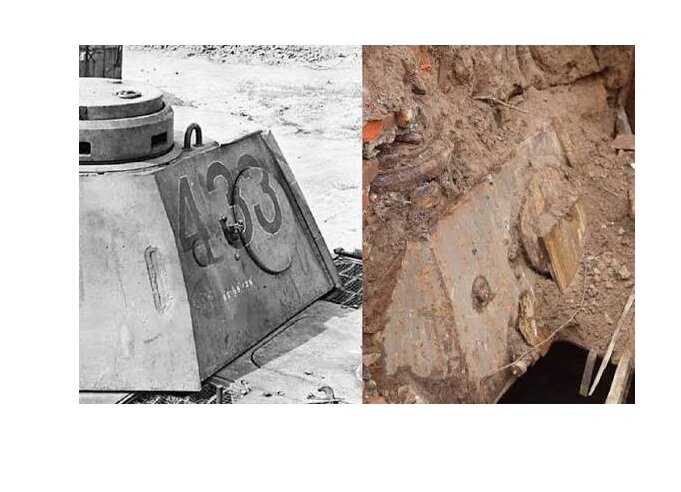
WWII-Era German Panther Tank Unearthed in Russia
An excavation has uncovered a buried Panther tank dating back to the Second World War, Iran's Mehr News Agency reported.
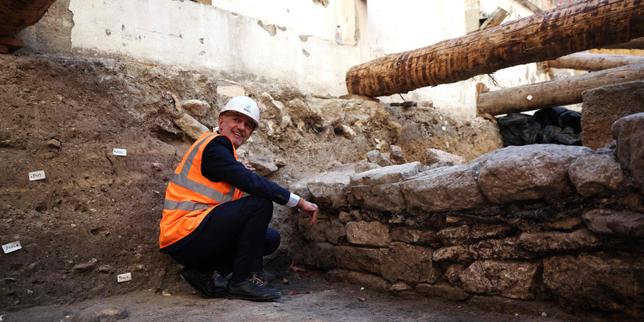
Paris: a Gallic rampart discovered on the Île de la Cité
The Ministry of Culture describes the discovery, made under the Hôtel-Dieu, as a "major advance" in terms of the origins of the capital.
Study Reveals Oldest Known Evidence of Drug Use in Human History
Researchers say early humans sought substances that produced euphoria alongside food and shelter, according to Deutsche Welle Arabic.

Cosmetic Surgeon Sydney Ohana Back Under Investigation, Accused by Ten Women of Sexual Violence
At 75 years old and already under investigation since March 2025, the surgeon now faces accusations from ten women, according to Le Monde.

Cézanne Takes Centre Stage at Paris' Grand Palais in Major New Exhibition
The show features more than 170 works, including 69 by Paul Cézanne, and runs until January 17.

French press review: Trump-Xi summit, an AI authorship row and a dig linked to Nefertiti
Wednesday's French papers look ahead to a Trump-Xi meeting, an AI-authorship controversy around a Goncourt Prize contender, and fresh excavation work tied to the search for Queen Nefertiti.
Comments
Loading comments…