When and How to See the Harvest Moon in 2026
September's full Moon rises on Saturday 26 September, with the best UK viewing conditions expected across southern and eastern regions.

Skywatchers in the UK will have the chance to see the Harvest Moon, September's full Moon, as it rises on Saturday 26 September, according to a BBC Weather report.
The Harvest Moon is traditionally the full Moon that falls closest to the autumn equinox, a designation tied to its historical association with the period when farmers relied on its extended evening light to continue harvesting crops after sunset. The name predates modern lighting and reflects the Moon's practical importance to agricultural communities in earlier centuries.
According to the report, the best viewing conditions this year are currently expected across southern and eastern parts of the UK, though weather conditions in the days leading up to the event could affect visibility in any given location. As with any full Moon viewing, clear skies and an unobstructed view of the horizon around moonrise typically offer the most striking views, when the Moon can appear larger and more orange in colour due to atmospheric effects near the horizon.
Full Moons occur roughly once every 29.5 days, following the lunar cycle, but the Harvest Moon holds particular cultural significance due to its timing near the equinox and its historical role in seasonal agricultural work.
Stargazers hoping for the clearest views are typically advised to check local weather forecasts closer to the date, as cloud cover can significantly affect visibility even when the Moon's rise time and position are well known in advance.
No additional astronomical events were noted as coinciding with this year's Harvest Moon in the available report.
Sources
- When and how to see the Harvest Moon in 2026 — BBC Science & Environment
EGazette summarizes reporting from multiple sources; follow the links for the originals.
Related articles
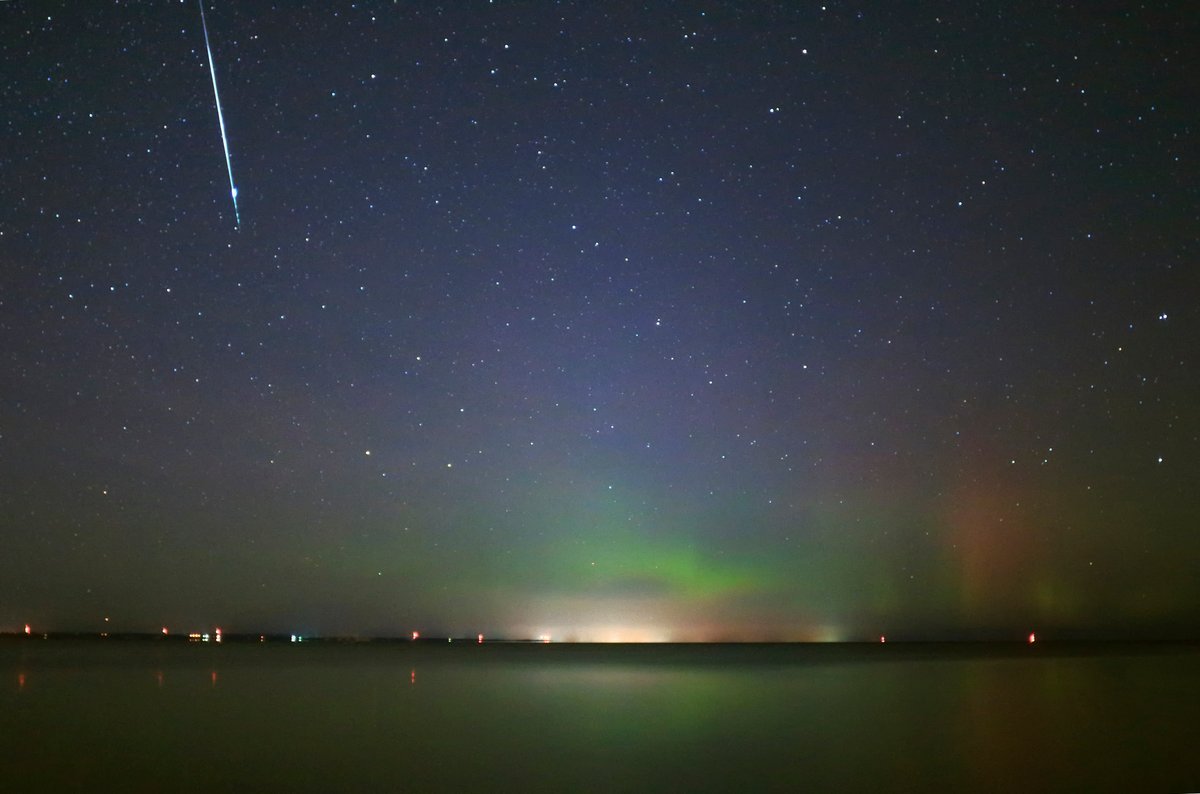
Taurid meteor showers set to light up the fall sky with bright fireballs
The Taurid meteor showers, among the longest-running of the year, will stretch from mid-September through mid-December, offering skywatchers a chance to spot vivid shooting stars.
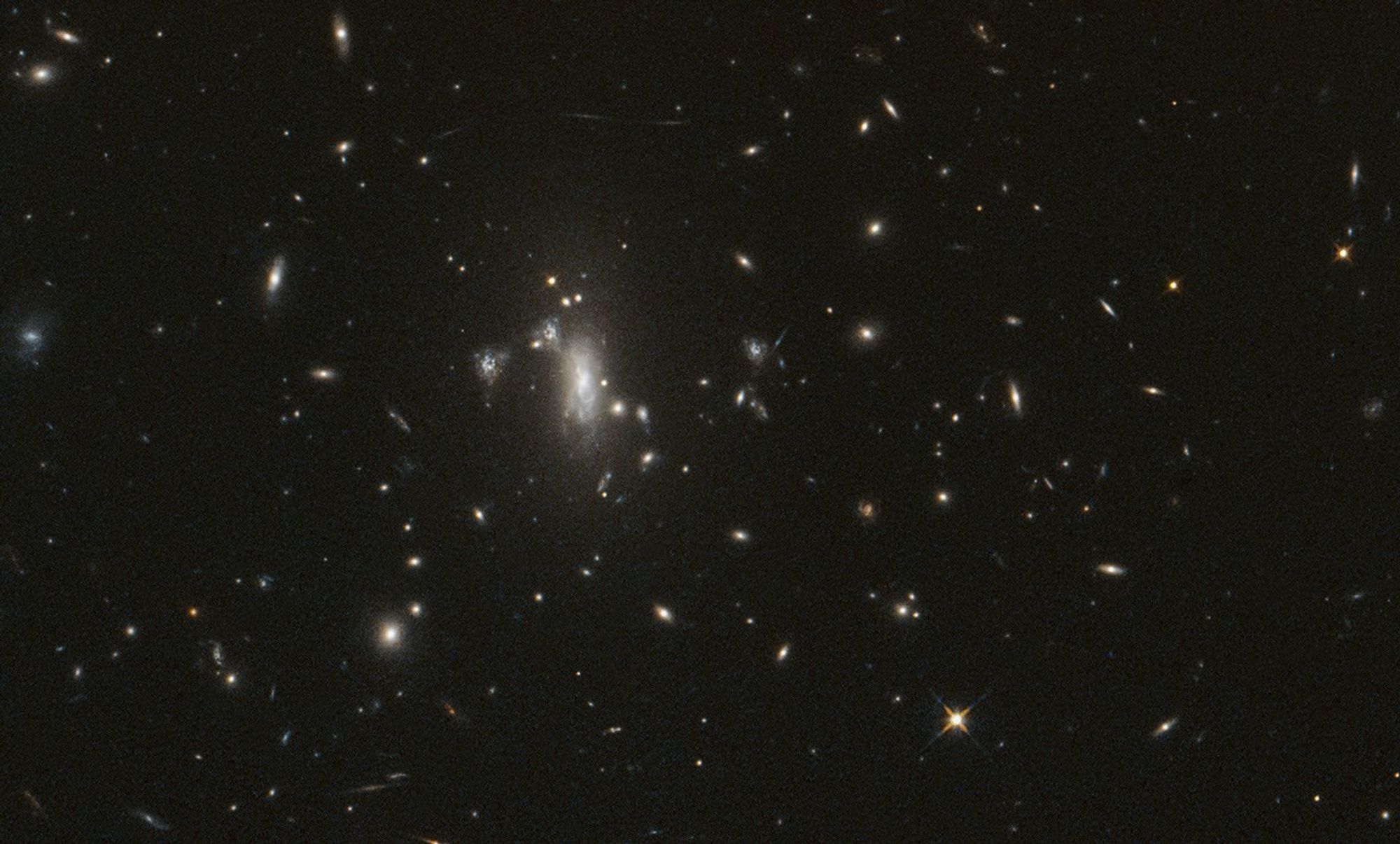
Hubble Telescope Reaches Milestone While Searching for Elusive Supernova
NASA's Hubble Space Telescope captured a new image of a massive galaxy cluster as it looks for the reappearance of a supernova first spotted by Webb in 2025.

Hubble Space Telescope marks 200,000th orbit around Earth
NASA's observatory reached the milestone on September 19, having traveled more than 5 billion miles and completed over 1.7 million observations across 36 years.

Experts warn of ‘perfect storm’ that could leave rubbish piling up on Scotland’s streets
Reduced landfill capacity combined with a breakdown at Glasgow’s main incinerator has raised concerns about waste disposal.
Olive Ridley Sea Turtles Spotted Nesting on California Beaches for First Time
Scientists are studying whether recent nestings at Huntington and Seal beaches were a one-off event or the start of a broader trend.

NASA Welcomes Croatia as 74th Signatory to Artemis Accords
Croatia signed the Artemis Accords during a ceremony in Zagreb attended by NASA and US State Department officials.
Comments
Loading comments…