Stanford Researchers Create Mice With Human Brain Cells in Genetic Breakthrough
Scientists say genetically altered mice can now receive and function with human brain cells, according to a report by BBC Science & Environment.

Scientists say genetically altered mice can now receive and function with human brain cells, according to a report by BBC Science & Environment.

New research points to a small population of highly connected neurons capable of switching the brain into sleep mode, according to a report from Ars Technica.
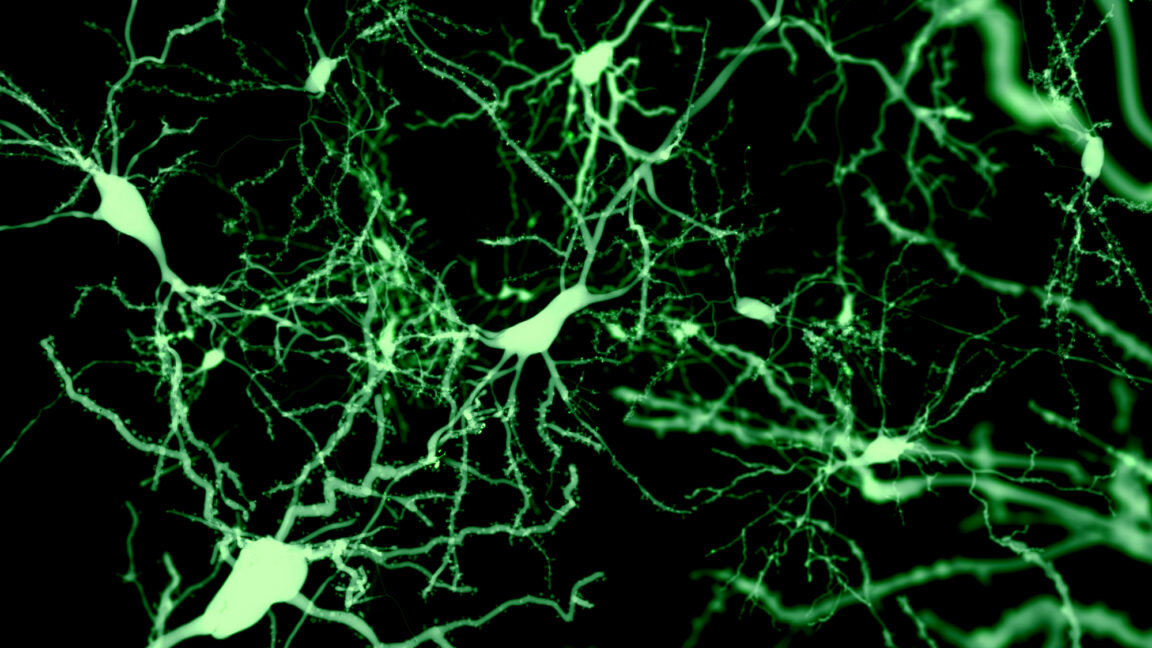
Researchers report transplanting lab-grown human brain cells into genetically engineered mice in an effort to better understand how psychiatric disorders affect human neurons.

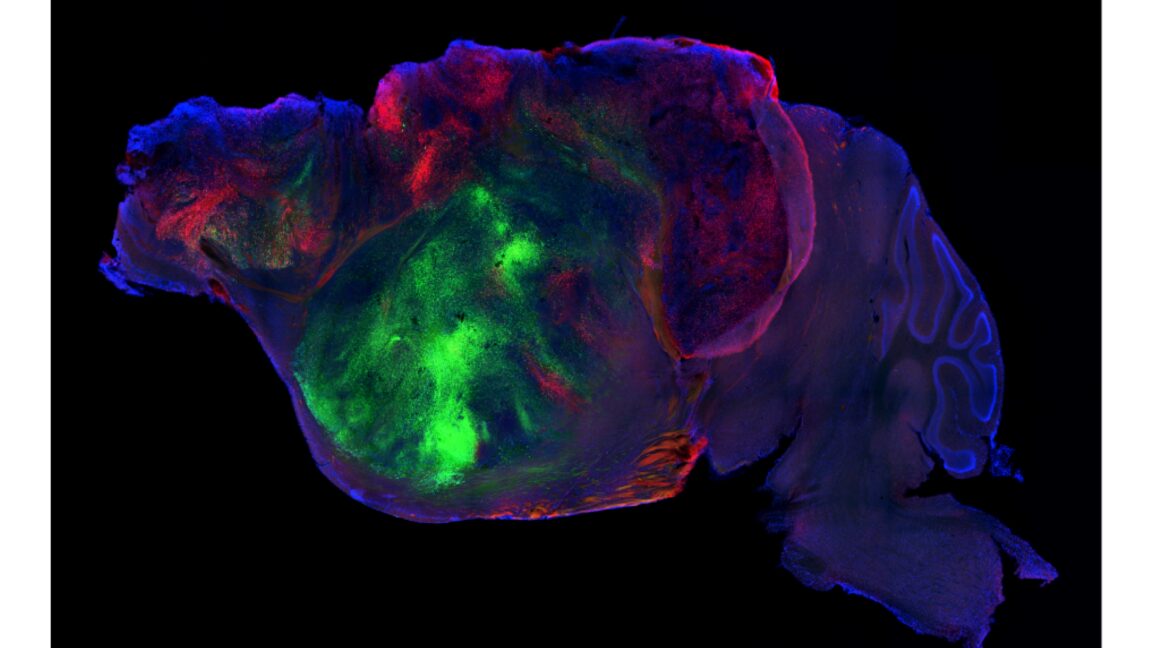
A report describes an experiment in which human brain cells were used to substitute for a mouse's cortex, with researchers finding only a slight functional improvement compared to mice lacking the brain structure entirely.

A new technique lets researchers implant human brain cells into mice to study conditions such as cerebral palsy, prompting bioethicists to ask whether the animals should be treated differently as a result.
Scientists report that lab-grown clusters of human brain cells can integrate with rodent brain tissue, opening new avenues for studying neurological disorders
A new piece in Scientific American suggests common assumptions about the nature of consciousness could be wrong, reflecting ongoing debate among researchers over one of science's most persistent mysteries.

Scientific American reports on new research examining why humans often experience beauty collectively, pointing to shared patterns in brain activity.

A new article argues that unstructured downtime, rather than constant busyness, may benefit mental function and well-being.

New research explores how the human brain, without a dedicated 'reading' region shaped by evolution, repurposes existing neural systems to support literacy, according to Scientific American.

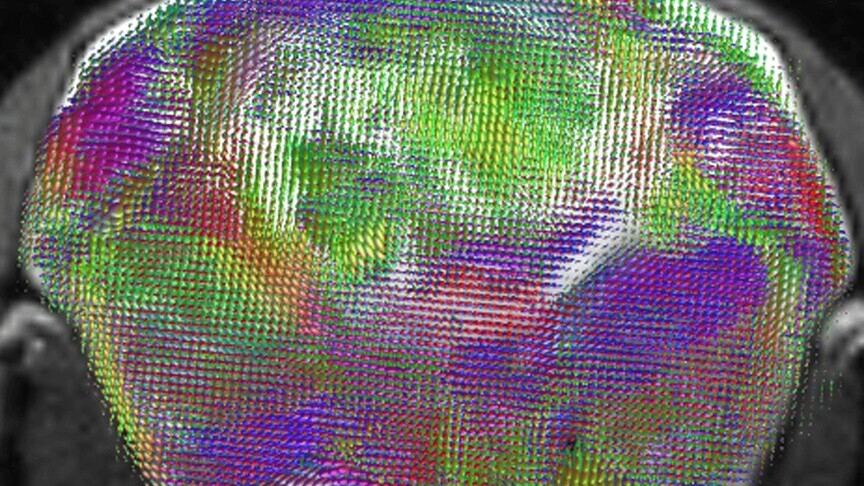
An article titled "The brain, solved" from Scientific American highlights the vast complexity of neural connections in the human brain.

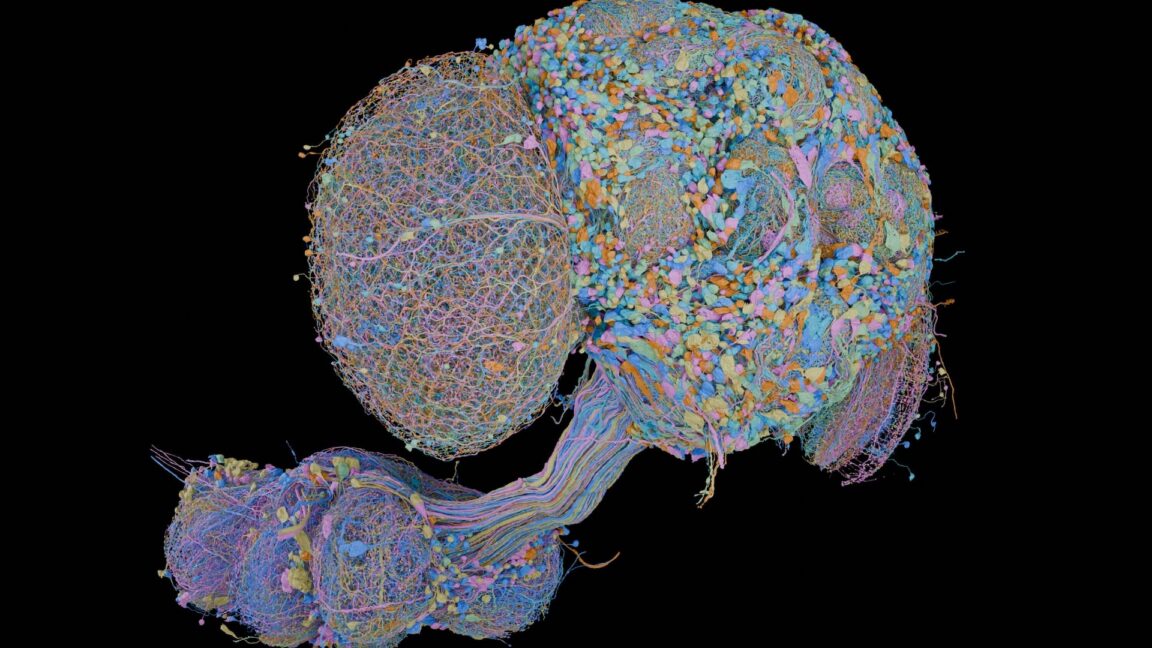
Researchers have produced a complete connectome of a male fruit fly's brain, joining an earlier map of a female fly brain, according to a report by Ars Technica.

New research highlights distinct patterns of brain change during menopause compared to other major hormonal transitions in women's lives, according to a report from Scientific American.