Scientists Use Mice With Human Brain Cells to Study Mental Illness
Researchers report transplanting lab-grown human brain cells into genetically engineered mice in an effort to better understand how psychiatric disorders affect human neurons.
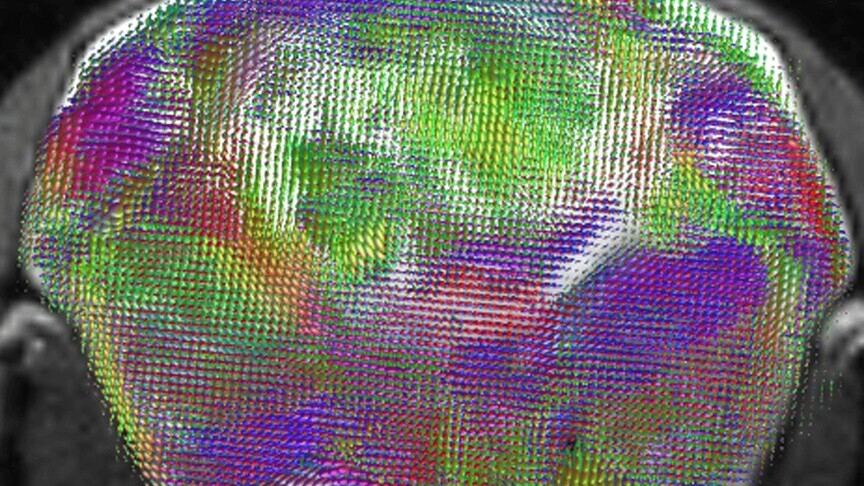
Researchers have developed genetically engineered mice containing lab-grown human brain cells, according to a report by Anadolu Agency, in an effort to advance understanding of mental illnesses.
The approach involves transplanting human brain cells, grown in laboratory conditions, into mice that have been genetically modified, the report said. Scientists say the method is intended to study how various disorders affect human neurons in a way that is not possible using animal cells alone.
According to the report, the technique allows researchers to observe the behavior and development of human brain cells within a living organism, offering a potential model for examining the biological basis of psychiatric conditions.
The report did not specify which research institutions or scientists conducted the work, nor did it detail the specific mental illnesses under investigation or publication details of any related study.
Anadolu Agency's report frames the development as part of a broader scientific effort to bridge gaps between animal models and human neurological research, though further details on methodology, findings, or ethical review were not provided in the available source material.
Sources
- Researchers breed mice with half-human brains to understand mental illnesses — Anadolu Agency (Turkey)
EGazette summarizes reporting from multiple sources; follow the links for the originals.
Related articles
Scientists Identify Rare Brain Cells That May Trigger Sleep
New research points to a small population of highly connected neurons capable of switching the brain into sleep mode, according to a report from Ars Technica.

Report Highlights Social Isolation Among Older LGBTQ+ People
A new report cited by the BBC finds older LGBTQ+ individuals face higher rates of social isolation than their heterosexual peers, with some saying they fear their identity is being overlooked.

Ukrainian Artist Seeks Moments of Peace Amid Ongoing Conflict
An opinion piece from Kyiv explores how ordinary life briefly resurfaces in wartime before war's reality returns.
Poison suspected in deaths of ten lions at Tanzania game reserve
The lions were discovered dead in the Ngorongoro Conservation Area, prompting wildlife officials to investigate.

European Space Agency Launches Two Satellites to Monitor Climate Change
The new satellites will help scientists study the effects of climate change, with one instrument dedicated to observing plant life

Exceptional Discovery of Denisovan Fossils in a Southwestern Chinese Cave
Extremely rare remains of these Asian "cousins" of Neanderthals have been unearthed alongside stone tools, shedding new light on their way of life.
Comments
Loading comments…