Study: Human Brain Cells Implanted in Mice Offer Only Modest Gains Over Missing Cortex
A report describes an experiment in which human brain cells were used to substitute for a mouse's cortex, with researchers finding only a slight functional improvement compared to mice lacking the brain structure entirely.
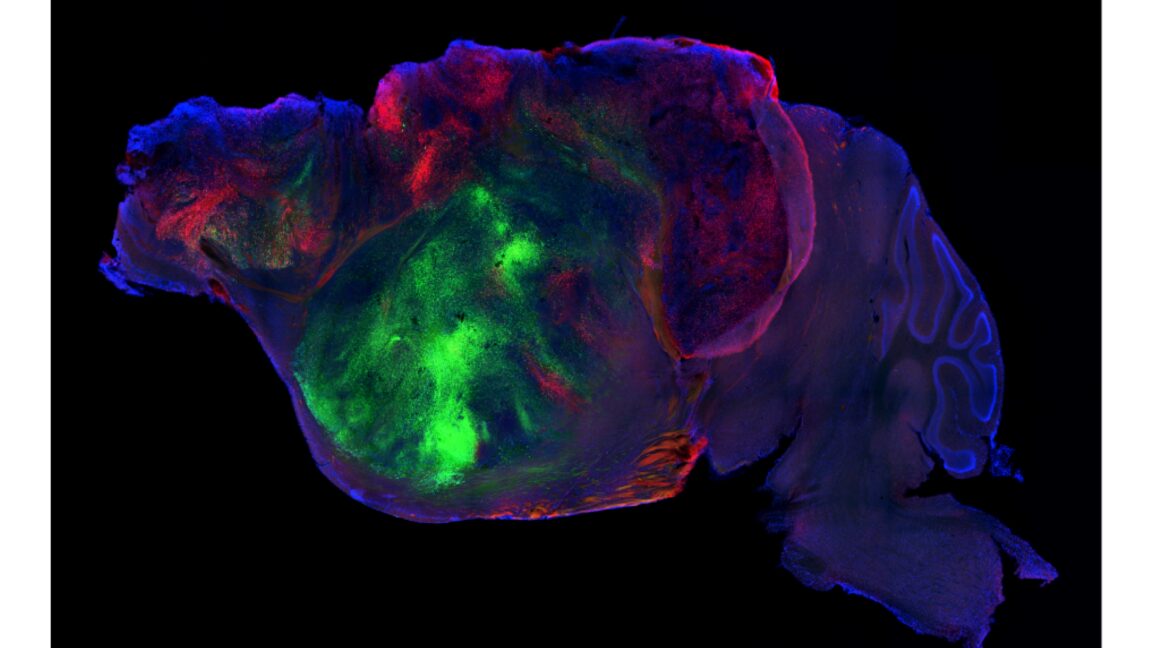
Researchers have attempted to substitute human brain cells for the cortex of a mouse, according to a report by Ars Technica, in an experiment aimed at testing how well such cells can take over the functions of a missing brain structure.
The cortex is a brain region associated with higher-order functions, including sensory processing, movement and cognition, in mammals. According to the report, the experiment involved introducing human brain cells into mice that were missing this structure, in an effort to see whether the human cells could compensate for its absence.
The report states that the results showed only a slight improvement over the condition of mice that were missing the cortex entirely, suggesting that the human cells did not fully restore the functions typically associated with the structure.
Details of the specific methodology, the research team involved, and the publication in which the findings appeared were not provided in the available report. Ars Technica's account did not specify what measures were used to assess functional improvement or what timeline the experiment followed.
The findings, as described, point to the challenges researchers face in using human-derived brain cells to replace or repair complex neural structures in animal models, a line of inquiry with potential relevance to neuroscience and regenerative medicine research.
Sources
- Researchers swap in human brain cells for a mouse's cortex — Ars Technica
EGazette summarizes reporting from multiple sources; follow the links for the originals.
Related articles
Scientists Identify Rare Brain Cells That May Trigger Sleep
New research points to a small population of highly connected neurons capable of switching the brain into sleep mode, according to a report from Ars Technica.
Scientific American Explores Whether Computers Could Match the Brain’s Energy Efficiency
A report examines the gap between the power efficiency of the human brain and today’s brain-inspired computing systems.
Poison suspected in deaths of ten lions at Tanzania game reserve
The lions were discovered dead in the Ngorongoro Conservation Area, prompting wildlife officials to investigate.

European Space Agency Launches Two Satellites to Monitor Climate Change
The new satellites will help scientists study the effects of climate change, with one instrument dedicated to observing plant life

Exceptional Discovery of Denisovan Fossils in a Southwestern Chinese Cave
Extremely rare remains of these Asian "cousins" of Neanderthals have been unearthed alongside stone tools, shedding new light on their way of life.
Scientific American's October Retrospective Looks Back at Smallpox, Skyscrapers and Racetrack Research
A historical column published by Scientific American revisits science and technology milestones from 50, 100 and 150 years ago, touching on smallpox eradication efforts, skyscraper excavation work and research conducted at racetracks.
Comments
Loading comments…