Scientific American Explores Whether Computers Could Match the Brain’s Energy Efficiency
A report examines the gap between the power efficiency of the human brain and today’s brain-inspired computing systems.
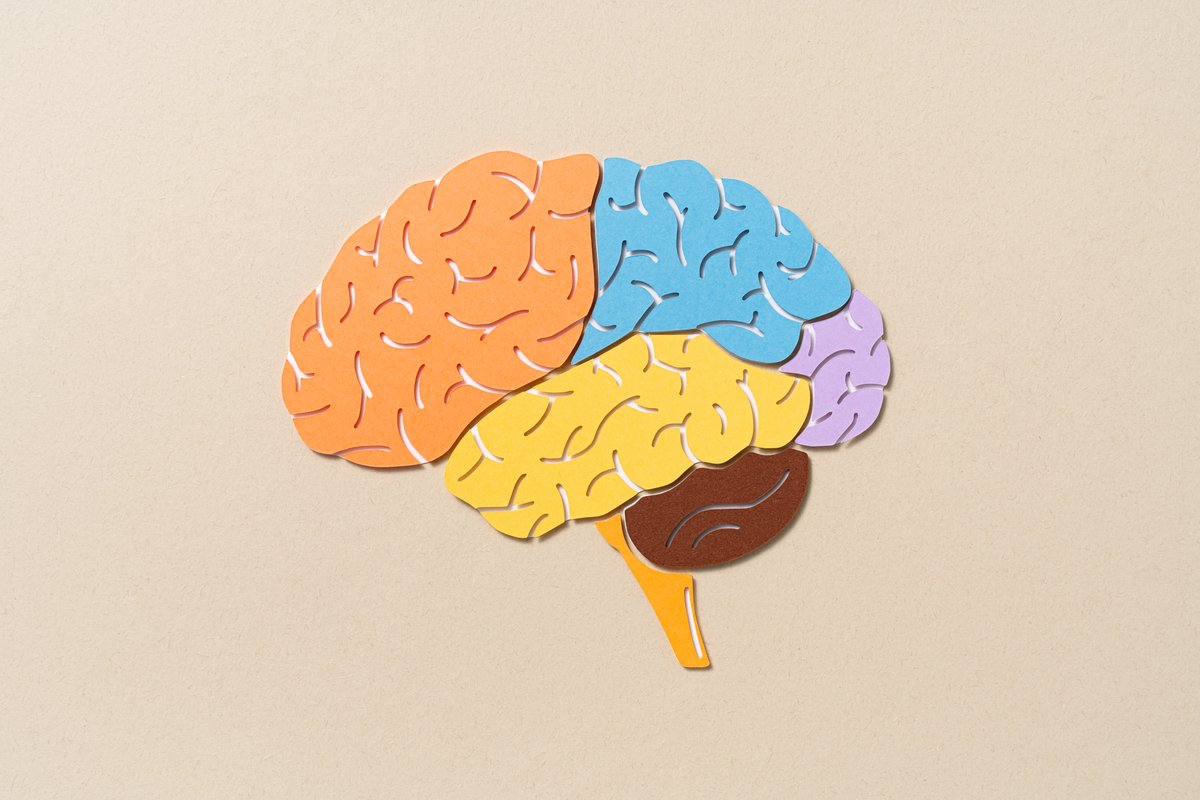
A report published by Scientific American poses a question that has long intrigued engineers and neuroscientists alike: could computers designed to mimic the human brain someday run on the same amount of power as the organ that inspired them?
According to the report, the human brain uses roughly the same amount of wattage as a household lightbulb, an efficiency that current computing systems—particularly those attempting to replicate brain-like processing—have yet to achieve.
The comparison highlights a persistent challenge in the field of neuromorphic computing, an area of research focused on designing hardware and software that emulate the structure and function of biological neural networks. Despite advances in this field, the report notes that matching the brain’s remarkable energy efficiency remains an open technical hurdle.
Scientific American’s report frames this efficiency gap as a central question for researchers working to build next-generation computing systems, suggesting that closing it could have significant implications for the future of artificial intelligence and computing hardware design.
The publication did not specify a timeline for when, or whether, such energy parity might be achieved, and the report appears to serve as an introductory exploration of the topic rather than a comprehensive technical analysis.
Sources
- Could brain-inspired computers run on the same amount of power as a human brain? — Scientific American
EGazette summarizes reporting from multiple sources; follow the links for the originals.
Related articles

Trump Says US Will Create an ‘AI Force’ Modeled on Space Force
The US president did not specify whether the initiative would involve establishing a new branch of the armed forces, according to TASS.

China Pushes Back on US Warnings to Slow AI Development, Guardian Reports
Beijing officials and businesses argue calls for caution are designed to preserve America's technological lead, according to a Guardian report

AI industry workers express skepticism about existential risk warnings
Multiple employees at leading AI companies doubt predictions that the technology could pose catastrophic threats to humanity.

Trump Announces Plans for 'AI Force' and Artificial Intelligence Tsar
President says his administration will not "hinder or stifle" the growth of artificial intelligence, amid ongoing warnings about the technology's risks

Trump Proposes Renaming ‘AI,’ Announces Plan for New ‘AI Force’
President says he wants a new name for artificial intelligence and plans to create an “AI Force,” while dismissing public unease over AI as a partisan hoax.

Canadian AI Pioneer Warns of Risks From Unchecked Artificial Intelligence
A Canadian researcher widely referred to as a "godfather of AI" has cautioned that artificial intelligence could pose serious threats if left unregulated, according to a report by Anadolu Agency.
Comments
Loading comments…