Scientific American Article Questions Whether ‘Consciousness’ Is Fundamentally Misunderstood
A new piece in Scientific American suggests common assumptions about the nature of consciousness could be wrong, reflecting ongoing debate among researchers over one of science's most persistent mysteries.
Scientific American has published an article titled "What if 'consciousness' isn't real?" arguing that widely held assumptions about consciousness may be fundamentally mistaken, according to the publication.
The piece, whose subheading states that "our understanding of consciousness could be fundamentally wrong," according to Scientific American, adds to a long-running debate among philosophers and scientists about what consciousness is and how it arises.
Consciousness—broadly understood as subjective awareness or the sense of experience—has remained one of the most difficult problems in science and philosophy, with researchers divided over competing theories of its nature and origins, according to longstanding academic discussion on the topic.
Scientific American did not provide additional details in the excerpt reviewed for this report beyond the headline and standfirst. The full article, published on the outlet's website, is expected to elaborate on the reasoning behind the claim and cite relevant research or theoretical frameworks.
The question of consciousness has drawn attention from neuroscientists, philosophers of mind, and cognitive scientists for decades, with some arguing it is an emergent property of brain activity and others questioning whether it can be defined or studied in conventional scientific terms.
Scientific American is a long-established science publication that regularly covers developments and debates in neuroscience, psychology and philosophy of mind.
Sources
- What if ‘consciousness’ isn’t real? — Scientific American
EGazette summarizes reporting from multiple sources; follow the links for the originals.
Related articles
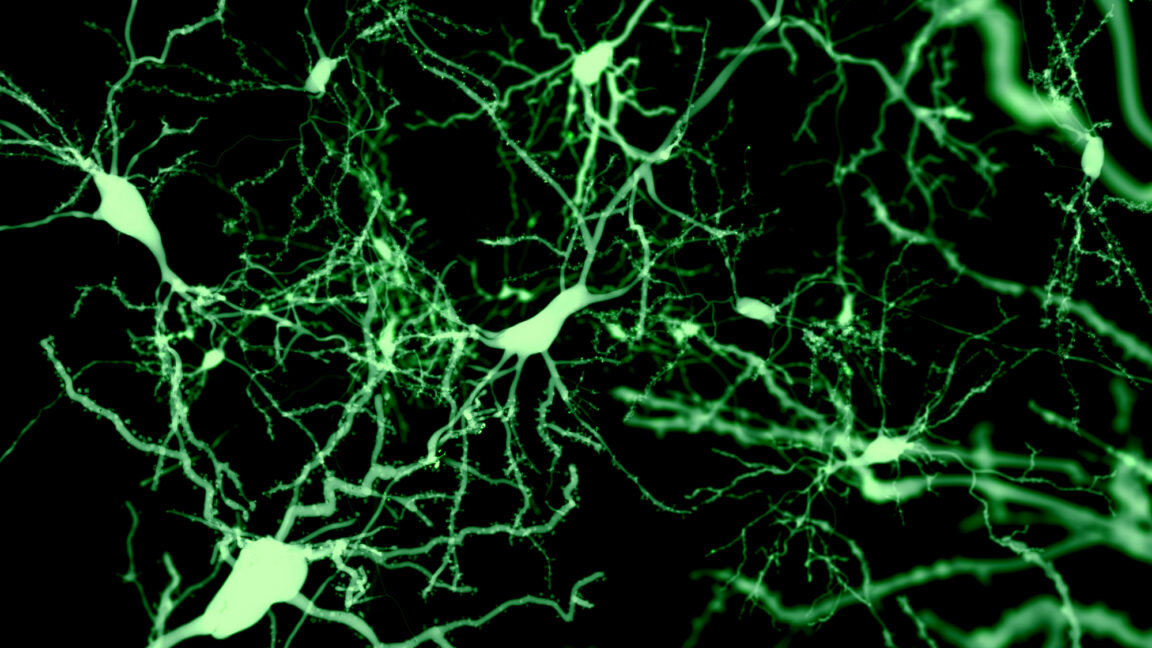
Scientists Identify Rare Brain Cells That May Trigger Sleep
New research points to a small population of highly connected neurons capable of switching the brain into sleep mode, according to a report from Ars Technica.

Poison suspected in deaths of ten lions at Tanzania game reserve
The lions were discovered dead in the Ngorongoro Conservation Area, prompting wildlife officials to investigate.

European Space Agency Launches Two Satellites to Monitor Climate Change
The new satellites will help scientists study the effects of climate change, with one instrument dedicated to observing plant life

Exceptional Discovery of Denisovan Fossils in a Southwestern Chinese Cave
Extremely rare remains of these Asian "cousins" of Neanderthals have been unearthed alongside stone tools, shedding new light on their way of life.
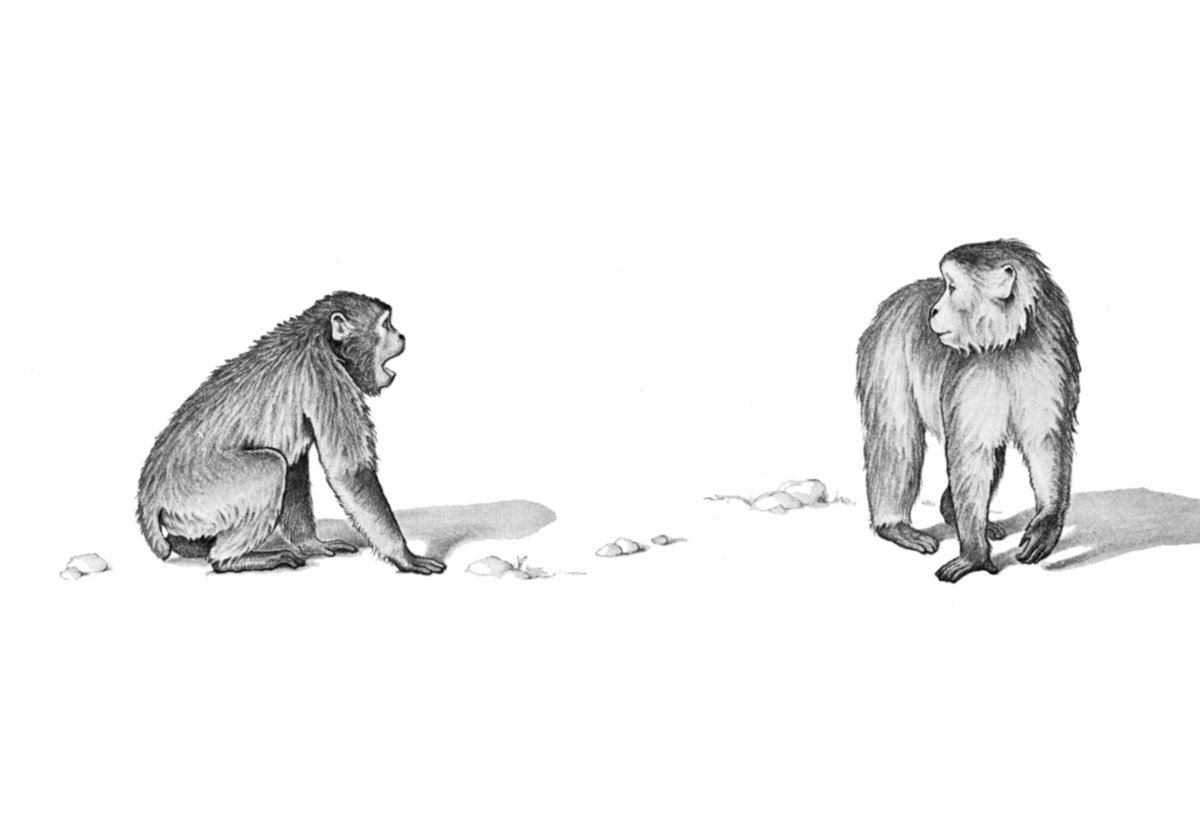
Scientific American's October Retrospective Looks Back at Smallpox, Skyscrapers and Racetrack Research
A historical column published by Scientific American revisits science and technology milestones from 50, 100 and 150 years ago, touching on smallpox eradication efforts, skyscraper excavation work and research conducted at racetracks.

NASA's Astronomy Picture of the Day Features Analemma Over Scotland's Callanish Stones
The September 20, 2026 edition of NASA's long-running APOD series highlights a composite image showing the sun's yearly path above the ancient Callanish Stones.
Comments
Loading comments…