Human Brain Organoids Form Active Neural Circuits When Transplanted Into Mouse Brains
Scientists report that lab-grown clusters of human brain cells can integrate with rodent brain tissue, opening new avenues for studying neurological disorders
Researchers have successfully transplanted human brain organoids—small, lab-grown clusters of brain tissue derived from stem cells—into the brains of mice, where they formed active neural circuits that meshed with the host animal's existing neural networks, according to a report published by Scientific American.
The organoids, which are grown in laboratories from human stem cells and can develop structures resembling regions of the brain, were shown to integrate functionally with mouse brain tissue after transplantation, the report said. This integration allowed the human cells to connect and communicate with surrounding mouse neurons, forming circuits that appeared to be biologically active.
According to the report, the technique offers researchers a new tool for investigating a range of neurological and psychiatric conditions, including autism and dementia, by allowing scientists to study human brain cells functioning within a living biological system rather than in isolation in a petri dish.
Brain organoids have become an increasingly important tool in neuroscience research in recent years, as they allow scientists to model aspects of human brain development and function without direct experimentation on human subjects. However, organoids grown in isolation have limitations, as they lack the complex connections and sensory inputs found in a full living brain.
By transplanting the organoids into mouse brains, researchers aim to overcome some of these limitations, potentially enabling more realistic studies of how human neural circuits develop, function, and are affected by disease, the report indicated.
Scientific American did not specify additional details in the excerpt reviewed, including the specific research team, institutions involved, or the study's publication venue. Further findings and methodological details are expected to be included in the full report.
Sources
- Human brain organoid transplants mesh with mouse brains, forming active neural circuits — Scientific American
EGazette summarizes reporting from multiple sources; follow the links for the originals.
Related articles
Scientists Identify Rare Brain Cells That May Trigger Sleep
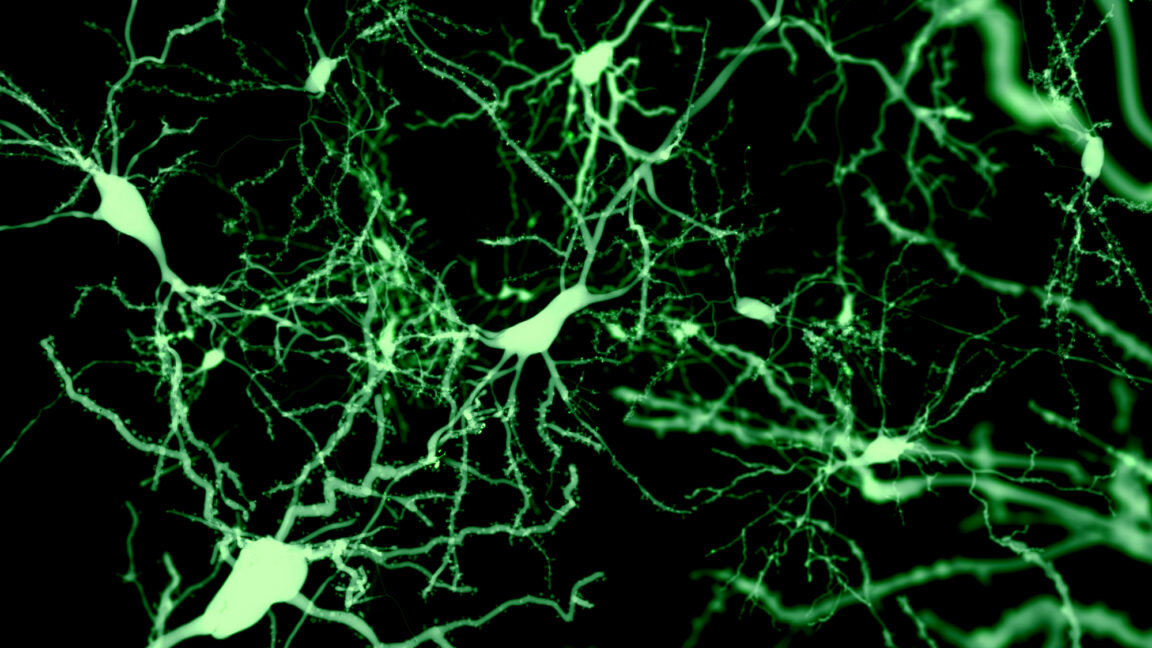
New research points to a small population of highly connected neurons capable of switching the brain into sleep mode, according to a report from Ars Technica.

Poison suspected in deaths of ten lions at Tanzania game reserve
The lions were discovered dead in the Ngorongoro Conservation Area, prompting wildlife officials to investigate.

European Space Agency Launches Two Satellites to Monitor Climate Change
The new satellites will help scientists study the effects of climate change, with one instrument dedicated to observing plant life

Exceptional Discovery of Denisovan Fossils in a Southwestern Chinese Cave
Extremely rare remains of these Asian "cousins" of Neanderthals have been unearthed alongside stone tools, shedding new light on their way of life.
Scientific American's October Retrospective Looks Back at Smallpox, Skyscrapers and Racetrack Research
A historical column published by Scientific American revisits science and technology milestones from 50, 100 and 150 years ago, touching on smallpox eradication efforts, skyscraper excavation work and research conducted at racetracks.

NASA's Astronomy Picture of the Day Features Analemma Over Scotland's Callanish Stones
The September 20, 2026 edition of NASA's long-running APOD series highlights a composite image showing the sun's yearly path above the ancient Callanish Stones.
Comments
Loading comments…