Scientists Complete Second Full Map of a Fruit Fly Brain
Researchers have produced a complete connectome of a male fruit fly's brain, joining an earlier map of a female fly brain, according to a report by Ars Technica.
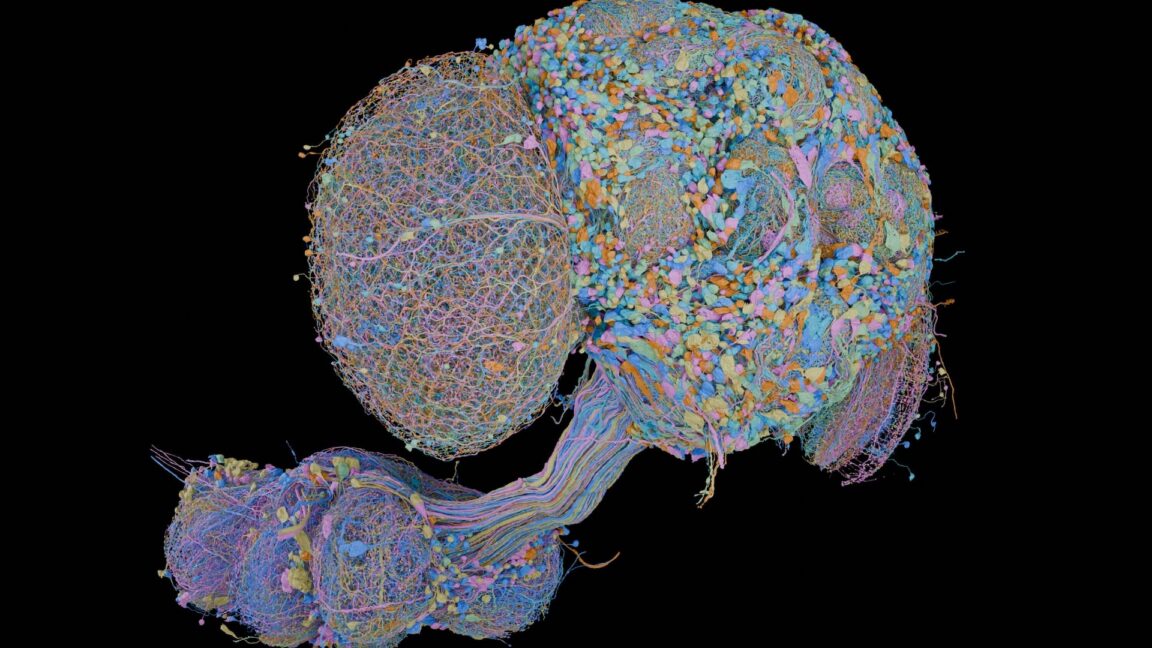
Researchers have completed a full map of every neuron and connection in the brain of a male fruit fly, according to a report published by Ars Technica. The achievement marks the second time scientists have fully mapped a fly brain, following an earlier complete map of a female fruit fly's brain.
The report states that with both the male and female fly brains now mapped, researchers have access to two complete "connectomes"—detailed wiring diagrams that catalog every neuron and every connection between them within the organ.
According to Ars Technica, having two complete maps allows scientists to compare neural structures between the sexes and study how brain wiring may differ or remain consistent across individuals of the same species.
The fruit fly, a common model organism in biological research due to its relatively simple nervous system compared to larger animals, has long been used by scientists to study fundamental principles of brain function and neural connectivity.
Ars Technica reported that the completion of this second brain map represents a milestone in efforts to fully understand the neural architecture of the fly, building on prior work that produced the first such complete map.
Sources
- Second complete map of a fruit fly brain completed — Ars Technica
EGazette summarizes reporting from multiple sources; follow the links for the originals.
Related articles
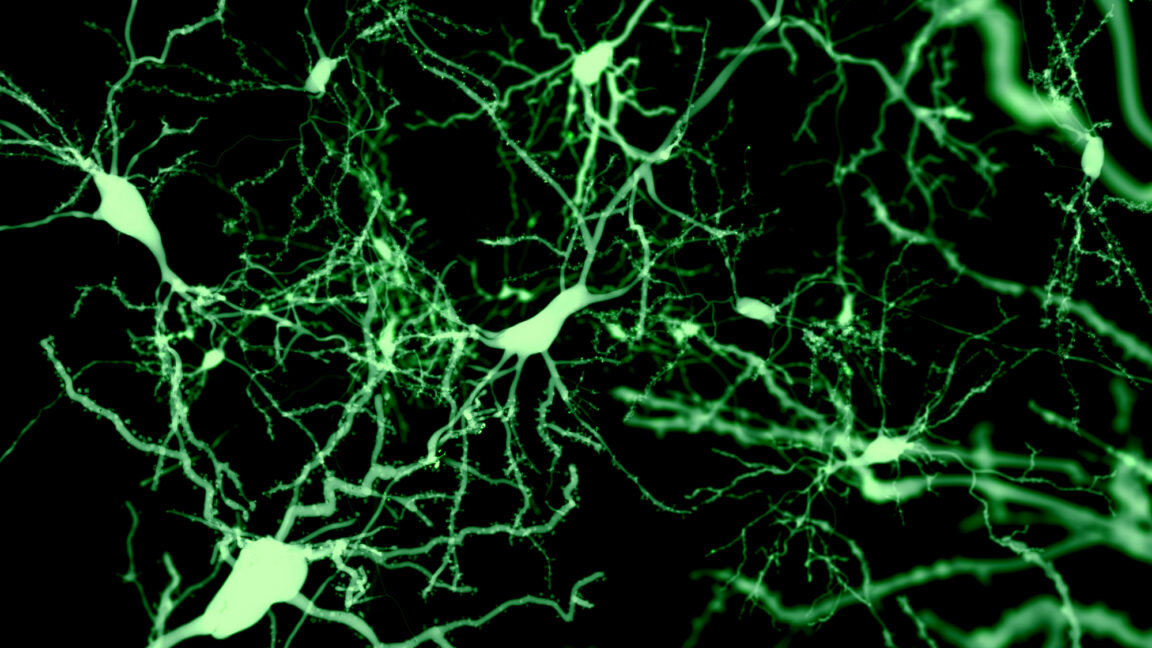
Scientists Identify Rare Brain Cells That May Trigger Sleep
New research points to a small population of highly connected neurons capable of switching the brain into sleep mode, according to a report from Ars Technica.
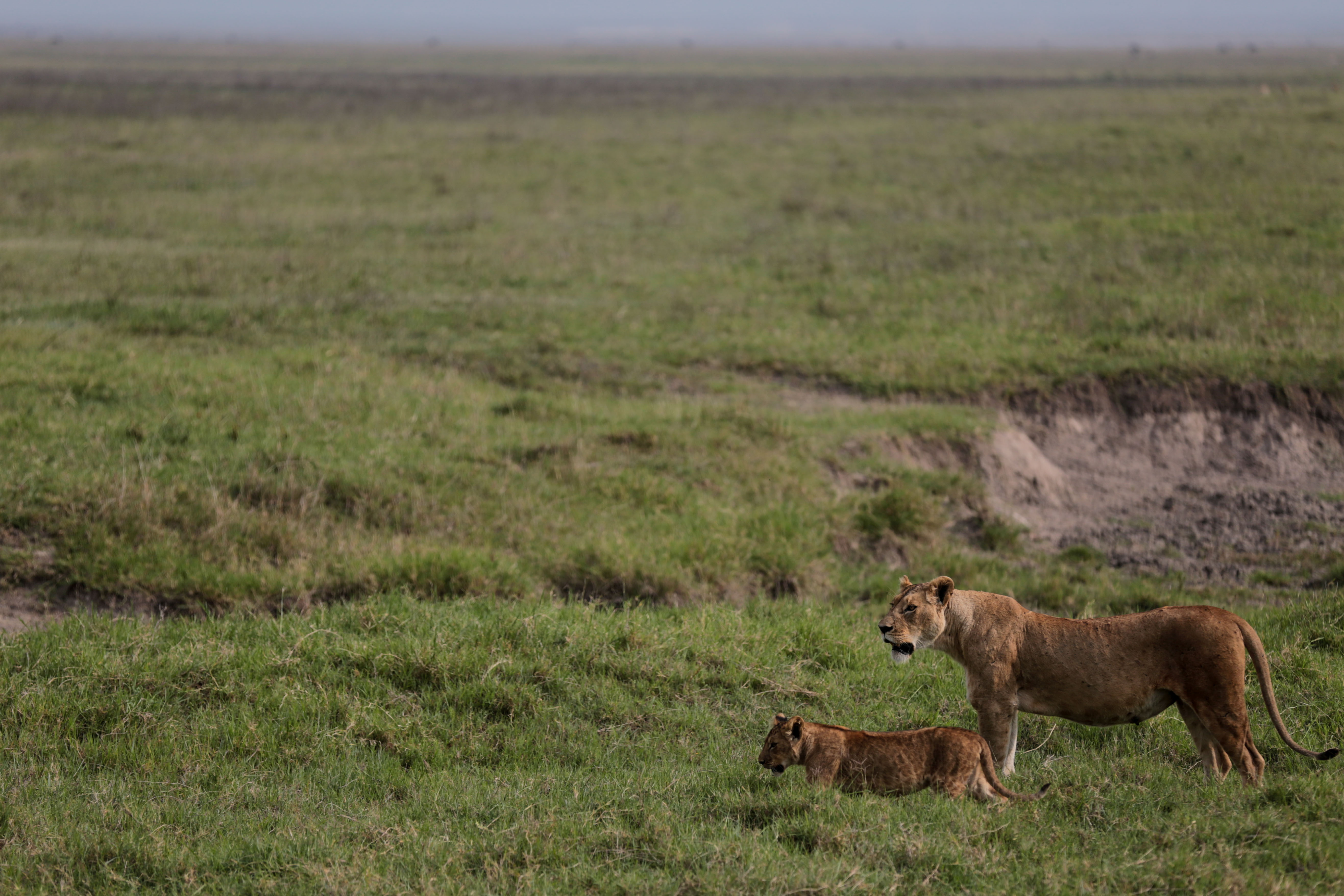
Poison suspected in deaths of ten lions at Tanzania game reserve
The lions were discovered dead in the Ngorongoro Conservation Area, prompting wildlife officials to investigate.

European Space Agency Launches Two Satellites to Monitor Climate Change
The new satellites will help scientists study the effects of climate change, with one instrument dedicated to observing plant life

Exceptional Discovery of Denisovan Fossils in a Southwestern Chinese Cave
Extremely rare remains of these Asian "cousins" of Neanderthals have been unearthed alongside stone tools, shedding new light on their way of life.
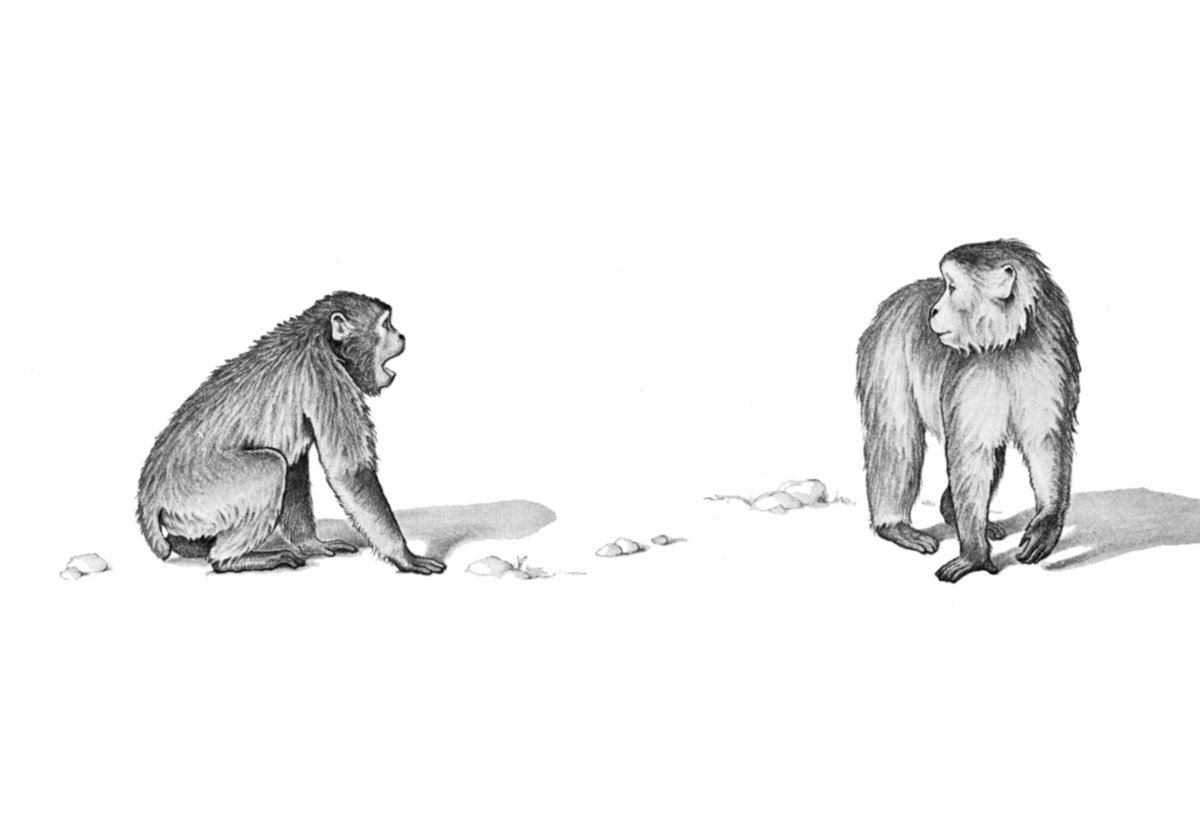
Scientific American's October Retrospective Looks Back at Smallpox, Skyscrapers and Racetrack Research
A historical column published by Scientific American revisits science and technology milestones from 50, 100 and 150 years ago, touching on smallpox eradication efforts, skyscraper excavation work and research conducted at racetracks.

NASA's Astronomy Picture of the Day Features Analemma Over Scotland's Callanish Stones
The September 20, 2026 edition of NASA's long-running APOD series highlights a composite image showing the sun's yearly path above the ancient Callanish Stones.
Comments
Loading comments…