Scientists Grow Human Brain Cells in Mice, Raising New Ethical Questions
A new technique lets researchers implant human brain cells into mice to study conditions such as cerebral palsy, prompting bioethicists to ask whether the animals should be treated differently as a result.

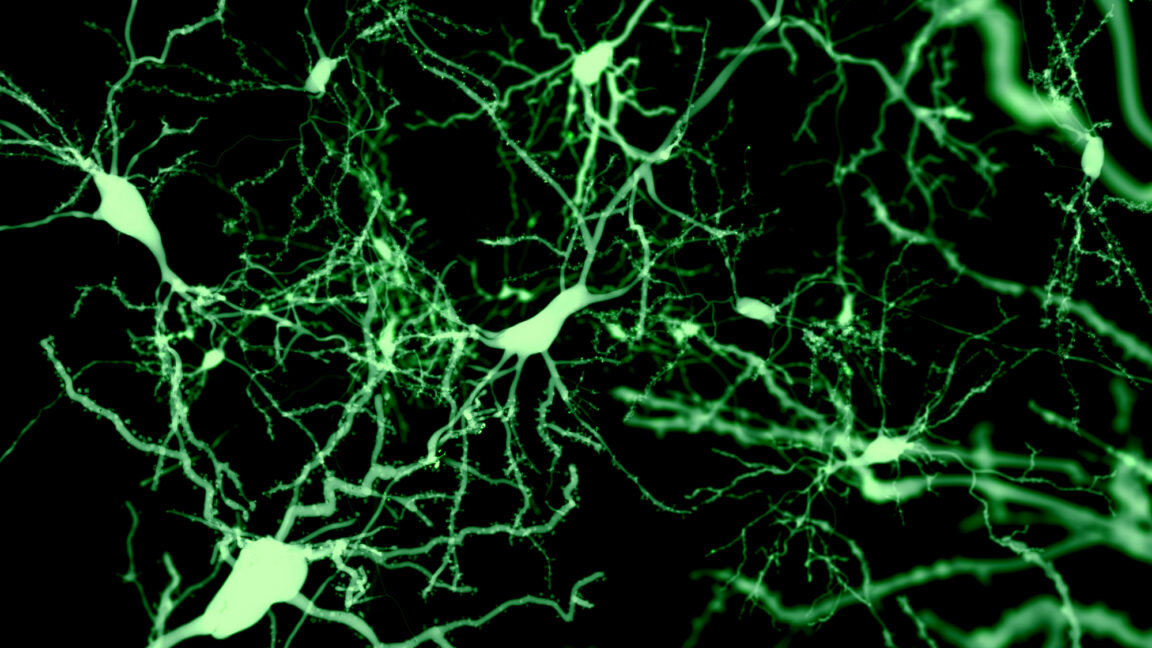
Neuroscientists have developed a new method for modeling the human brain inside mice, according to a report by NPR News. The advance allows researchers to study neurological conditions, including cerebral palsy, in a living animal model that incorporates human brain cells rather than relying solely on mouse neurons or lab-grown human brain organoids.
According to the report, the technique represents a significant step forward for scientists seeking to understand how human brain cells develop and function, and how they are affected by disease. Researchers have previously used brain organoids—clusters of human cells grown in a dish that partially mimic brain tissue—to study neurological disorders, but these models lack the full biological environment of a living organism.
By introducing human brain cells into mice, scientists say they can observe how those cells behave within a functioning nervous system, potentially offering insights into disorders like cerebral palsy that are difficult to study through other means, NPR News reported.
The development has also drawn attention from bioethicists, who are examining what the presence of human brain cells means for how these mice should be regarded and treated, according to the report. Ethicists cited in the report are questioning whether mice carrying human brain tissue warrant different ethical consideration than standard laboratory mice, given the cells' human origin and their integration into the animals' neural systems.
NPR News did not specify further details on the scale of human cell integration achieved in the mice or name the specific researchers or institutions involved in the work.
The report frames the development as part of an ongoing conversation in neuroscience and bioethics over how far human-animal chimeric research should go, and what oversight or guidelines might be needed as such techniques advance.
Sources
EGazette summarizes reporting from multiple sources; follow the links for the originals.
Related articles
Scientists Identify Rare Brain Cells That May Trigger Sleep
New research points to a small population of highly connected neurons capable of switching the brain into sleep mode, according to a report from Ars Technica.

Poison suspected in deaths of ten lions at Tanzania game reserve
The lions were discovered dead in the Ngorongoro Conservation Area, prompting wildlife officials to investigate.

European Space Agency Launches Two Satellites to Monitor Climate Change
The new satellites will help scientists study the effects of climate change, with one instrument dedicated to observing plant life

Exceptional Discovery of Denisovan Fossils in a Southwestern Chinese Cave
Extremely rare remains of these Asian "cousins" of Neanderthals have been unearthed alongside stone tools, shedding new light on their way of life.
Scientific American's October Retrospective Looks Back at Smallpox, Skyscrapers and Racetrack Research
A historical column published by Scientific American revisits science and technology milestones from 50, 100 and 150 years ago, touching on smallpox eradication efforts, skyscraper excavation work and research conducted at racetracks.

NASA's Astronomy Picture of the Day Features Analemma Over Scotland's Callanish Stones
The September 20, 2026 edition of NASA's long-running APOD series highlights a composite image showing the sun's yearly path above the ancient Callanish Stones.
Comments
Loading comments…