Study Offers Clues on How the Brain Adapts to Learn Reading
New research explores how the human brain, without a dedicated 'reading' region shaped by evolution, repurposes existing neural systems to support literacy, according to Scientific American.

Reading is a relatively recent human invention, appearing far too late in evolutionary history for the brain to have developed a dedicated region specifically for the task, according to a report from Scientific American.
Instead, researchers say the brain adapts existing neural systems that originally evolved for other purposes, such as object recognition and language processing, to support the skill of reading.
A new study cited by Scientific American offers additional clues into how this adaptation occurs, contributing to a broader scientific effort to understand the neurological basis of literacy.
According to the report, understanding how the brain learns to read remains an area of ongoing investigation, with scientists working to trace how neural circuits are repurposed as children and adults acquire reading skills.
Scientific American's report situates the new findings within this larger evolutionary and neuroscientific puzzle, noting that reading, unlike spoken language, is not an innate human ability but one that must be taught and learned through specific brain adaptations.
Sources
- How the brain learns to read is an evolutionary mystery—a new study offers clues — Scientific American
EGazette summarizes reporting from multiple sources; follow the links for the originals.
Related articles
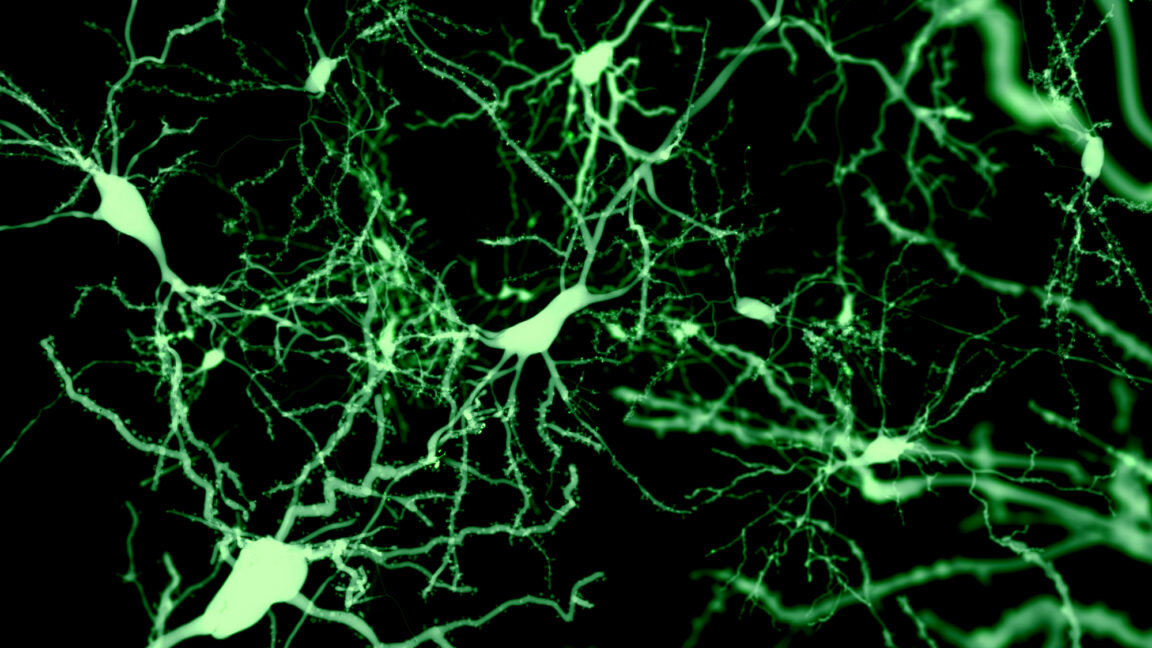
Scientists Identify Rare Brain Cells That May Trigger Sleep
New research points to a small population of highly connected neurons capable of switching the brain into sleep mode, according to a report from Ars Technica.

Singapore Pays Citizens to Read Books in Bid to Reverse Reading Decline
A new government scheme rewards citizens with small cash payments for logging reading time, as experts weigh in on whether financial incentives can rebuild a fading habit.
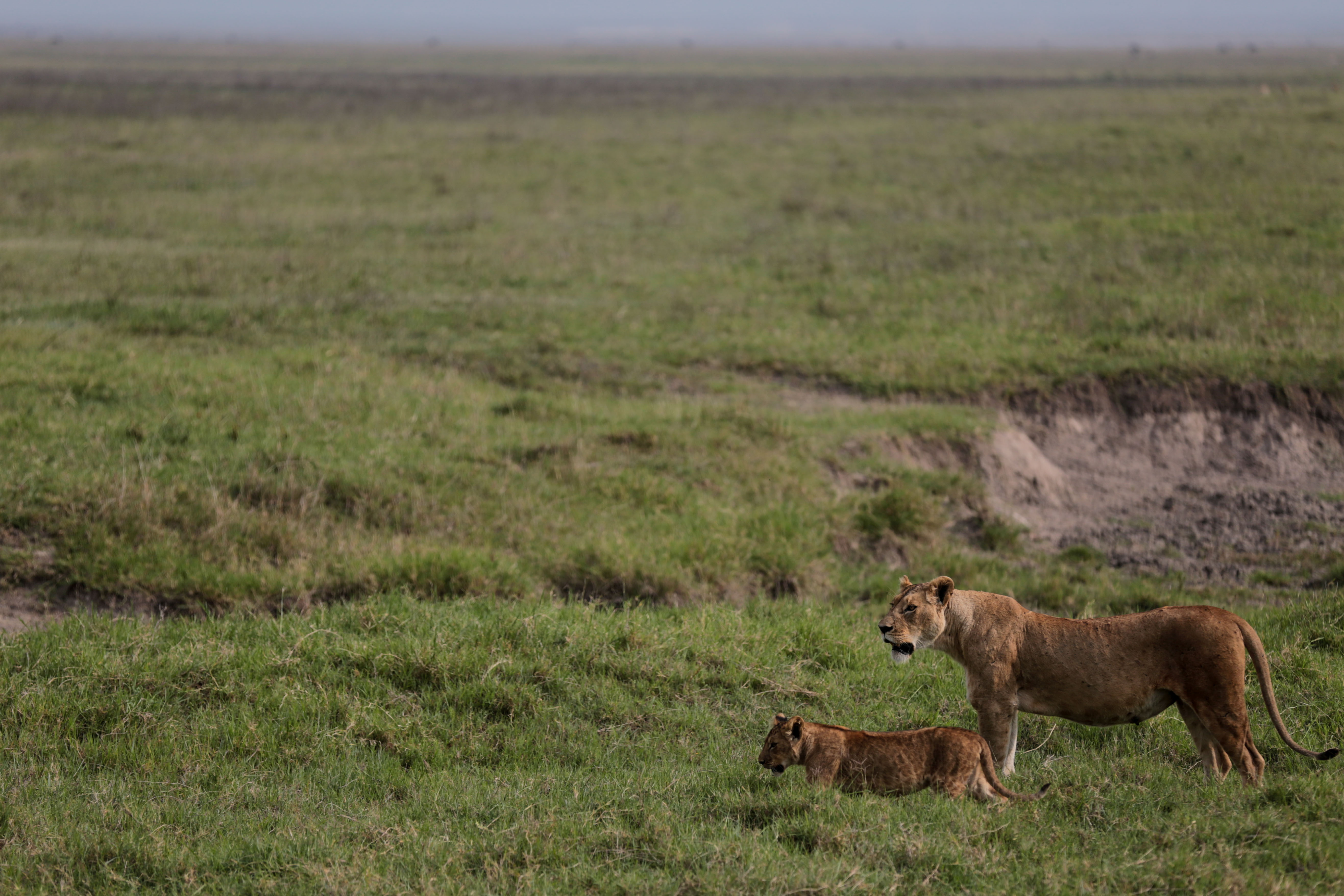
Poison suspected in deaths of ten lions at Tanzania game reserve
The lions were discovered dead in the Ngorongoro Conservation Area, prompting wildlife officials to investigate.

European Space Agency Launches Two Satellites to Monitor Climate Change
The new satellites will help scientists study the effects of climate change, with one instrument dedicated to observing plant life

Exceptional Discovery of Denisovan Fossils in a Southwestern Chinese Cave
Extremely rare remains of these Asian "cousins" of Neanderthals have been unearthed alongside stone tools, shedding new light on their way of life.
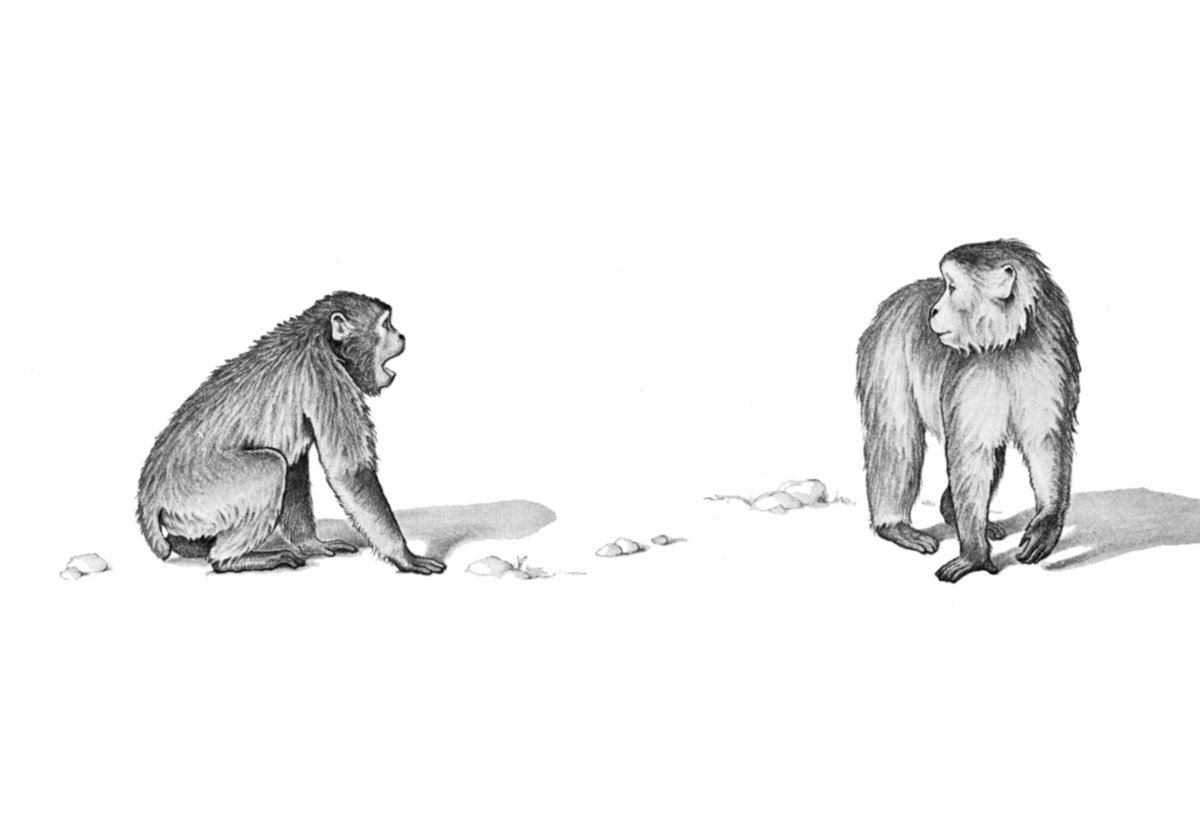
Scientific American's October Retrospective Looks Back at Smallpox, Skyscrapers and Racetrack Research
A historical column published by Scientific American revisits science and technology milestones from 50, 100 and 150 years ago, touching on smallpox eradication efforts, skyscraper excavation work and research conducted at racetracks.
Comments
Loading comments…