Draconid meteor shower expected to appear red on night of October 9, expert says
Astronomers anticipate up to 15 meteors per hour during this year's Draconid shower, with an unusual reddish hue reported.
Written by EGazette’s AI. The facts are drawn from cited sources; the analysis is the AI’s own.

The Draconid meteor shower is expected to peak on the night of October 9, with an astronomer quoted as saying the "falling stars" could appear with a reddish tint this year. Observers are anticipating up to 15 meteors per hour during the peak viewing window, according to the forecast.
The Draconids are an annual meteor shower associated with debris left behind by comet 21P/Giacobini-Zinner. Unlike some other major meteor showers, the Draconids are known for being relatively unpredictable, with activity that can vary significantly from year to year depending on the comet's orbital position and the density of debris the Earth passes through.
Best viewing conditions
Skywatchers hoping to catch the display are generally advised to find a location away from bright city lights, allow their eyes time to adjust to the darkness, and look toward the northern sky, where the shower's radiant point near the constellation Draco is located. Unlike many meteor showers that are best viewed in the pre-dawn hours, Draconids are often more visible in the evening, shortly after nightfall.
The reddish coloration some observers may notice is typically attributed to the composition and speed of the meteoroids as they interact with the Earth's atmosphere, though the exact visual appearance can vary depending on atmospheric conditions and the angle of observation.
While the Draconids are not usually counted among the most prolific meteor showers of the year, astronomers note that peak nights can still offer a worthwhile viewing experience for those with clear, dark skies away from light pollution.
Sources
- Draconid meteors to look red on night of October 9 — expert — TASS (Russia)
EGazette summarizes reporting from multiple sources; follow the links for the originals.
Comments
Loading comments…
Related articles
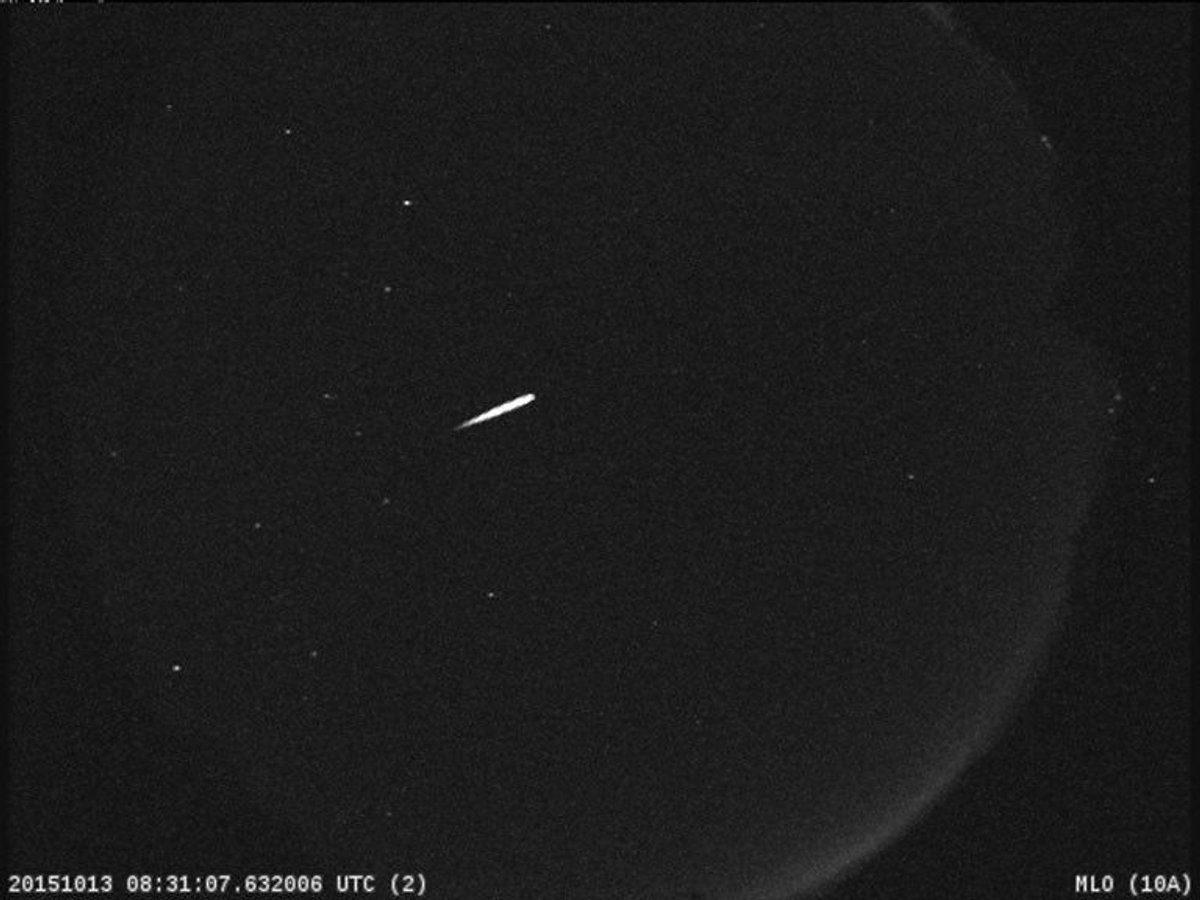
Two meteor showers set to light up the October sky
The Draconids and Orionids are both expected to peak this month.
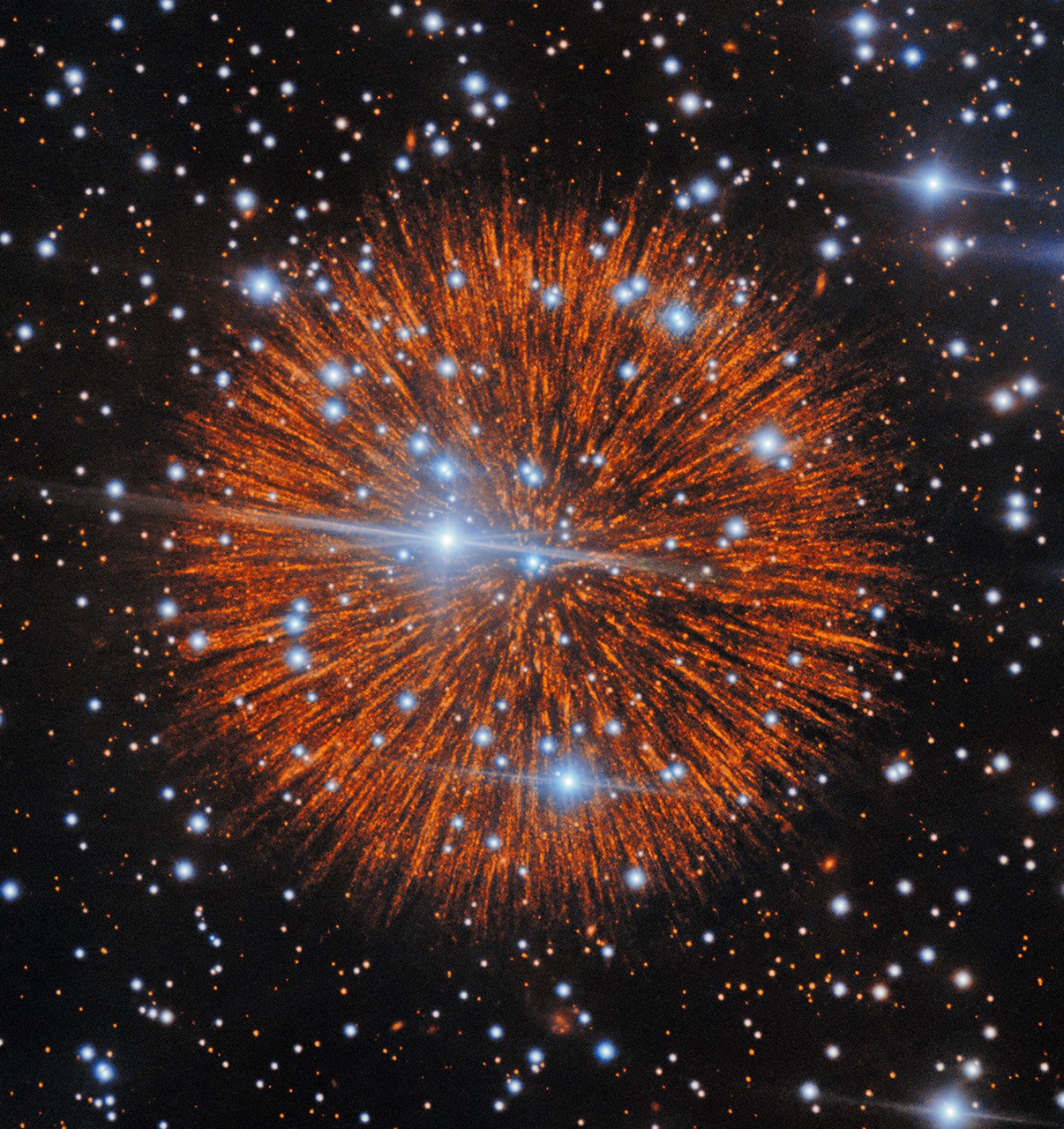
NASA's Astronomy Picture of the Day features supernova remnant Pa 30
The October 7 selection highlights the debris field left behind by a stellar explosion, cataloged as Pa 30.
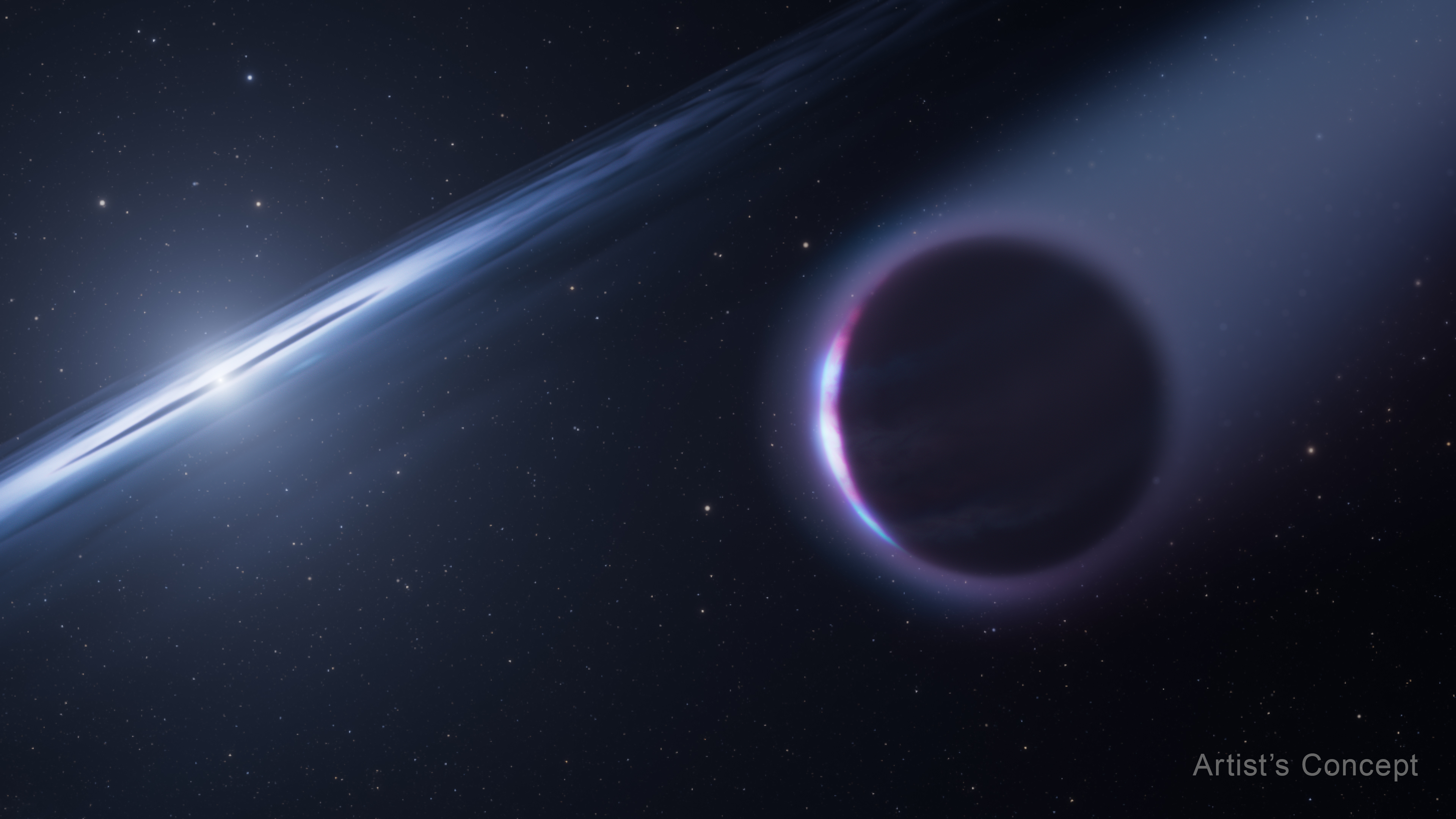
Astronomers find clue suggesting a white dwarf may host a 'second-generation' planet
New Hubble Space Telescope data reveals a chemical signature pointing to a possible second-generation planet orbiting the white dwarf star HS 0209+0832, NASA says.
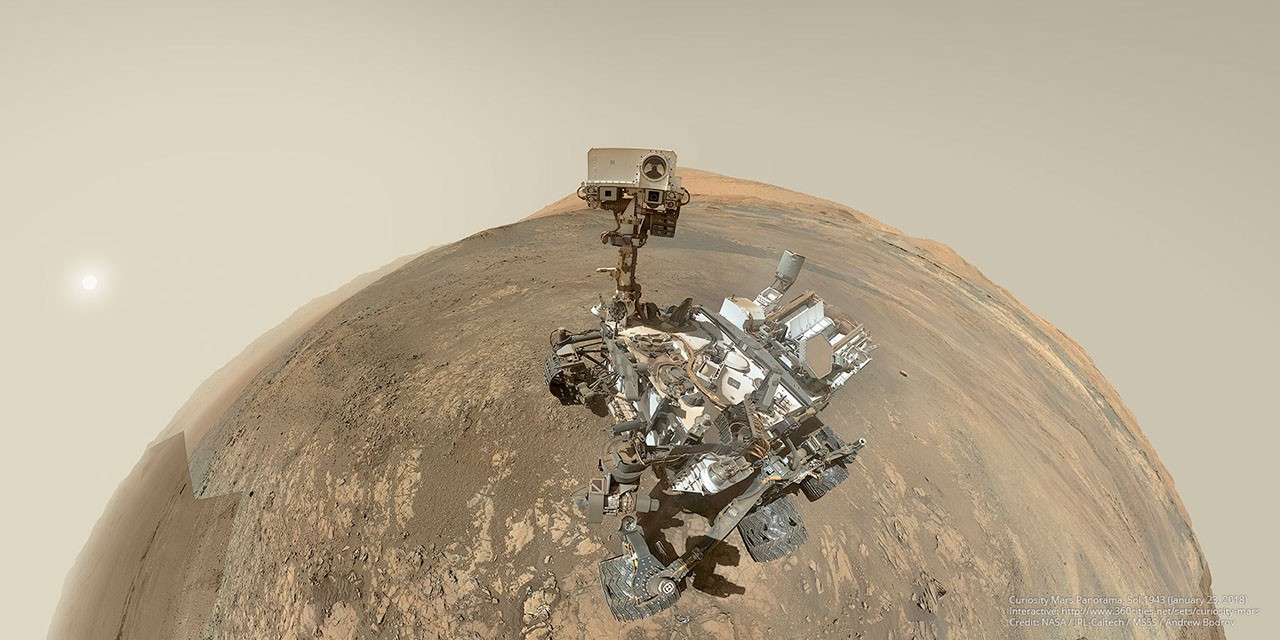
NASA's Astronomy Picture of the Day features Mars rover selfie at Vera Rubin Ridge
The October 3 entry in NASA's long-running APOD series highlights a self-portrait captured at a notable site on Mars.

South Korea's First Astronaut Urges Girls Not to Limit Their Dreams
Yi So-yeon says curiosity drove her to apply to South Korea's astronaut program despite nearly 36,000 other candidates.
South Korea launches fifth Nuri rocket, carrying 15 satellites
The domestically built launcher lifted off with a batch of satellites including five NEONSAT microsatellites meant to form the country's first homegrown microsatellite constellation.