Neutrino Physicist Francis Halzen Awarded 2026 Nobel Prize in Physics
Halzen, of the University of Wisconsin-Madison, led the development of the IceCube Neutrino Observatory in Antarctica.
Written by EGazette’s AI. The facts are drawn from cited sources; the analysis is the AI’s own.
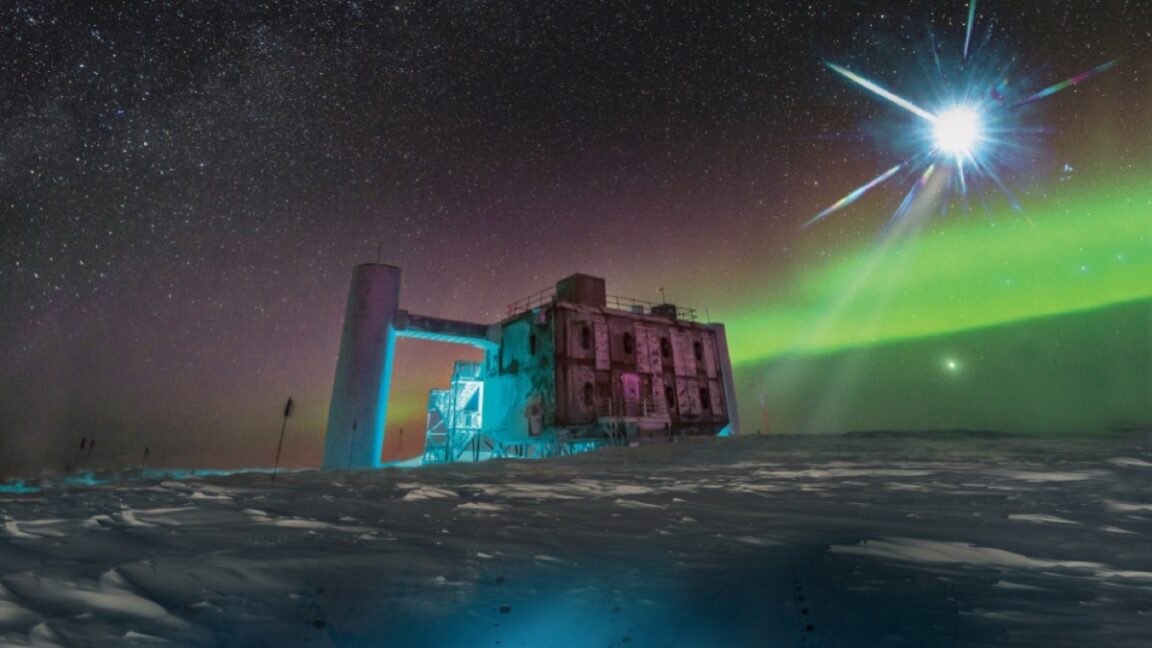
Physicist Francis Halzen of the University of Wisconsin-Madison has been awarded the 2026 Nobel Prize in Physics, according to Ars Technica, recognizing his leadership in developing the IceCube Neutrino Observatory.
IceCube is a large-scale detector embedded deep in the Antarctic ice, designed to capture rare signals from neutrinos — nearly massless subatomic particles that travel through space largely unimpeded, making them notoriously difficult to detect. The observatory has enabled significant advances in the study of high-energy astrophysical phenomena by tracing neutrinos back to their cosmic origins.
Halzen's work on IceCube has been widely credited with helping establish the field of neutrino astronomy as a practical tool for observing distant and energetic cosmic events, including those associated with black holes and other extreme astrophysical sources.
The Nobel Prize in Physics is awarded annually by the Royal Swedish Academy of Sciences and is among the most prestigious honors in science. Further details on the full citation and any co-recipients were not included in the available report.
Sources
- Neutrino physicist wins 2026 Nobel Physics Prize — Ars Technica
EGazette summarizes reporting from multiple sources; follow the links for the originals.
Comments
Loading comments…
Related articles
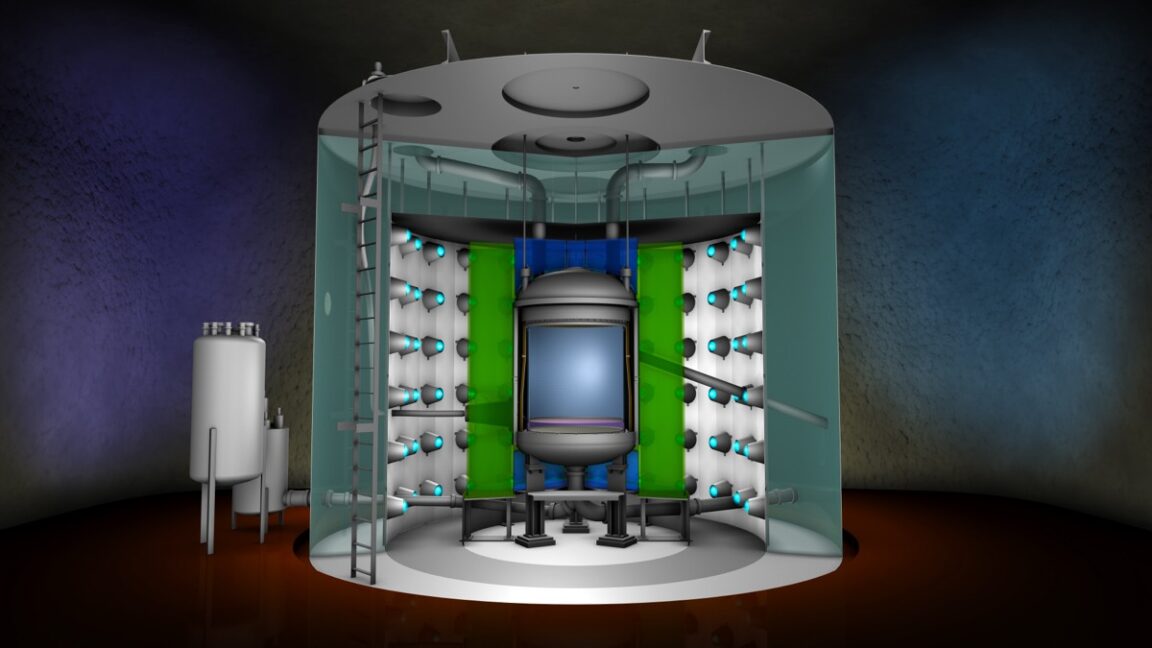
Ars Technica roundup highlights six overlooked science stories
The science digest features items ranging from a quantum entanglement experiment at the Large Hadron Collider to psychoactive substance use in the Ice Age and yeast-based building materials for Mars habitats.
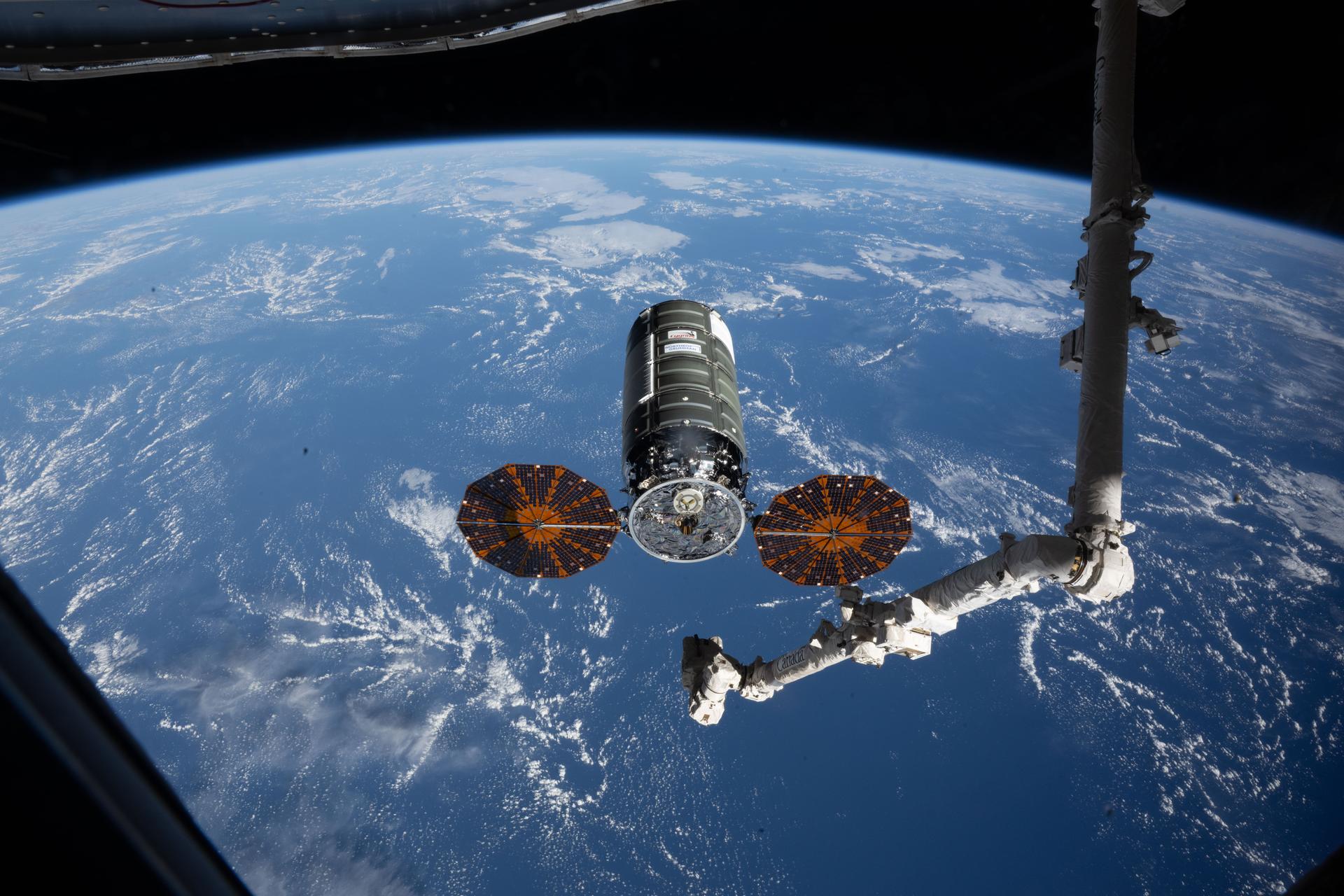
NASA to broadcast Northrop Grumman Cygnus XL departure from space station
The Cygnus XL spacecraft is set to leave the ISS on October 9 after delivering more than 11,000 pounds of cargo under the CRS-24 resupply mission.
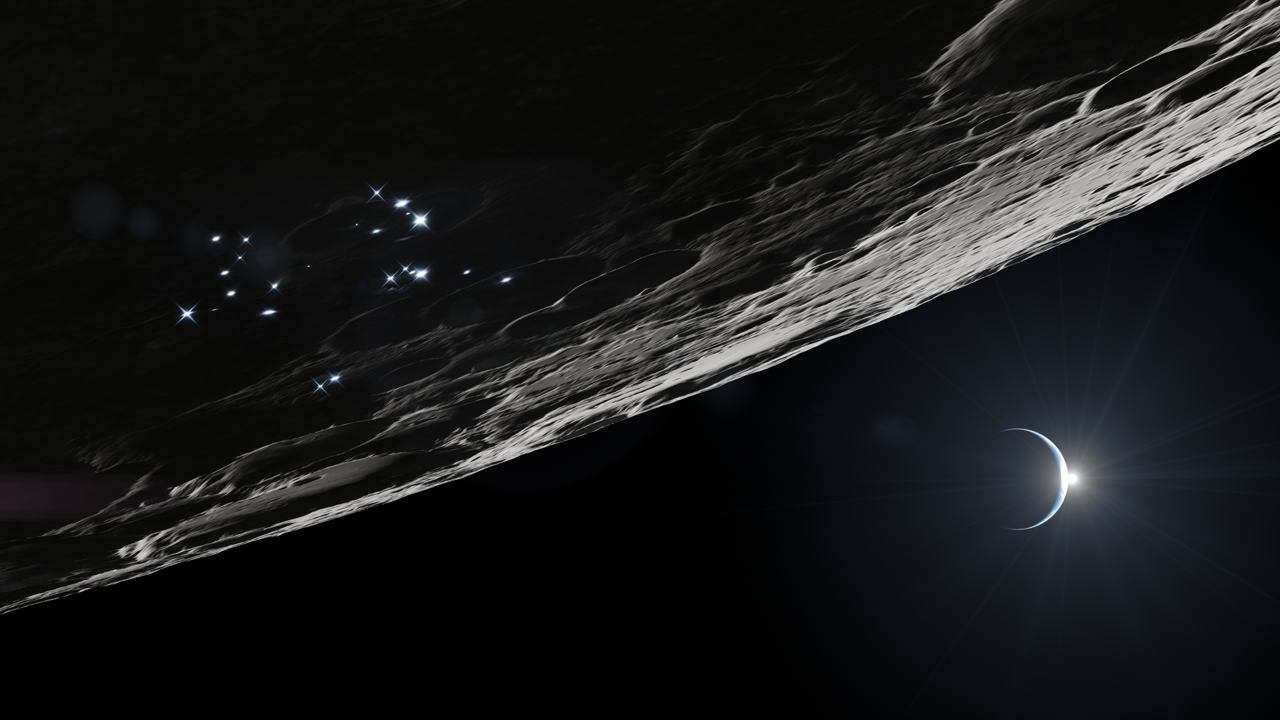
NASA challenge seeks solutions to spacesuit charging risk on the Moon
The Lunar Grounding Challenge aims to address electric charge buildup on spacesuits caused by lunar surface and plasma conditions, particularly in permanently shadowed regions.
NASA Glenn Seeks Phase 1 Proposals for New Aerospace Power Systems Laboratory
NASA's Glenn Research Center in Cleveland is soliciting initial design proposals for a facility to test and develop aerospace power systems.
Two meteor showers set to light up the October sky
The Draconids and Orionids are both expected to peak this month.
Astronomers find clue suggesting a white dwarf may host a 'second-generation' planet
New Hubble Space Telescope data reveals a chemical signature pointing to a possible second-generation planet orbiting the white dwarf star HS 0209+0832, NASA says.