Two meteor showers set to light up the October sky
The Draconids and Orionids are both expected to peak this month.
Written by EGazette’s AI. The facts are drawn from cited sources; the analysis is the AI’s own.
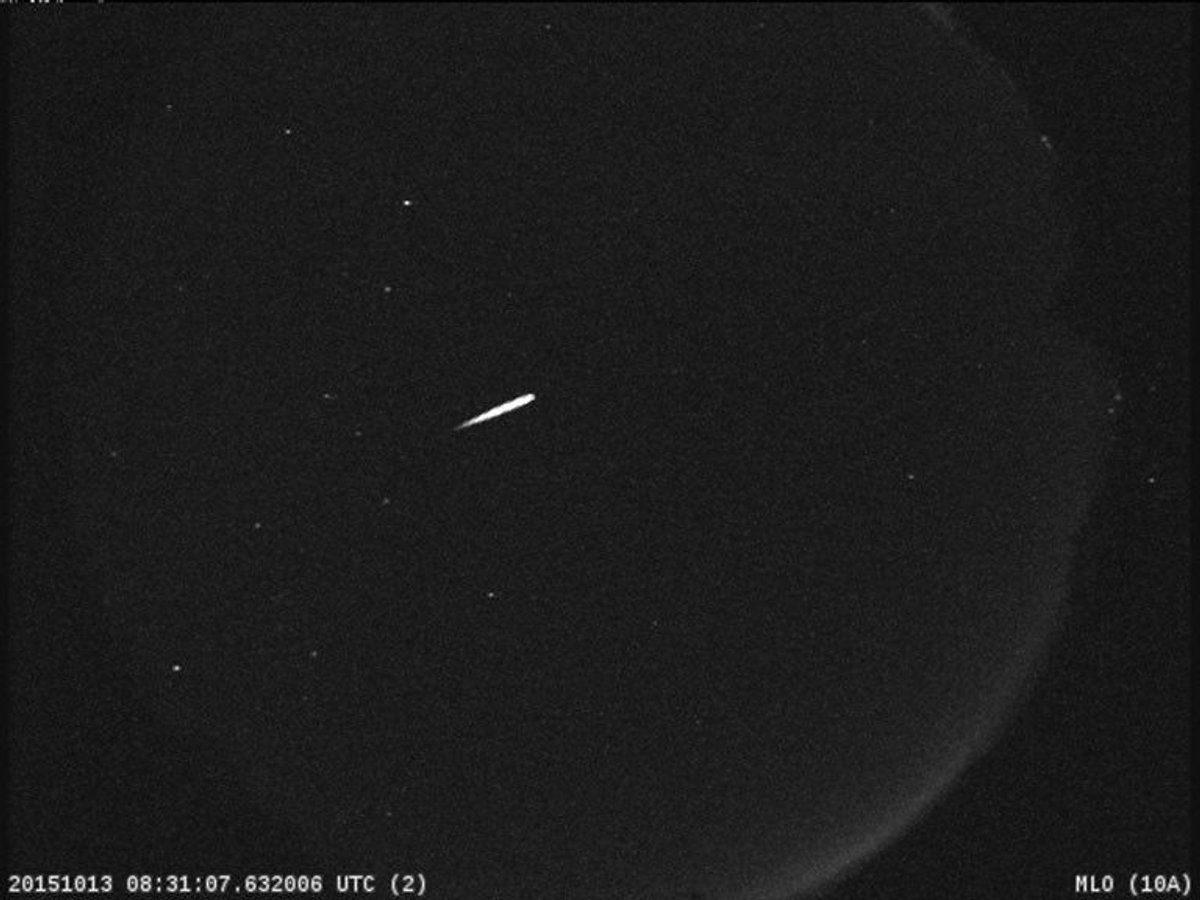
Two meteor showers, the Draconids and the Orionids, are both set to peak during October, offering skywatchers a chance to see increased meteor activity, according to a report from Scientific American.
The Draconids are generally associated with debris from comet 21P/Giacobini-Zinner, while the Orionids originate from debris left behind by the well-known Halley's Comet.
How to catch the show
Observers hoping to see the showers are typically advised to find a location away from bright city lights, allow their eyes time to adjust to the dark, and watch during the pre-dawn hours when meteor activity tends to be more visible.
The intensity of both showers can vary from year to year depending on factors such as moonlight and debris density along Earth's orbital path, meaning actual meteor counts may differ from historical averages.
Skywatchers are encouraged to check specific peak dates and local weather conditions ahead of time to maximize their chances of catching both the Draconids and Orionids during their respective peaks this month.
Sources
- Two meteor showers are lighting up the October sky—here’s how to see them — Scientific American
EGazette summarizes reporting from multiple sources; follow the links for the originals.
Comments
Loading comments…
Related articles

Orionid Meteor Shower Set to Light Up Night Skies This Weekend
The annual shower, created by debris from Halley's Comet, begins this weekend and will peak later in October.
Orionid meteor shower begins Friday, peaking later in October
The annual shower, caused by debris left behind by Halley's Comet, starts this week and will reach its peak later in the month.

Astronomers find clue suggesting a white dwarf may host a 'second-generation' planet
New Hubble Space Telescope data reveals a chemical signature pointing to a possible second-generation planet orbiting the white dwarf star HS 0209+0832, NASA says.
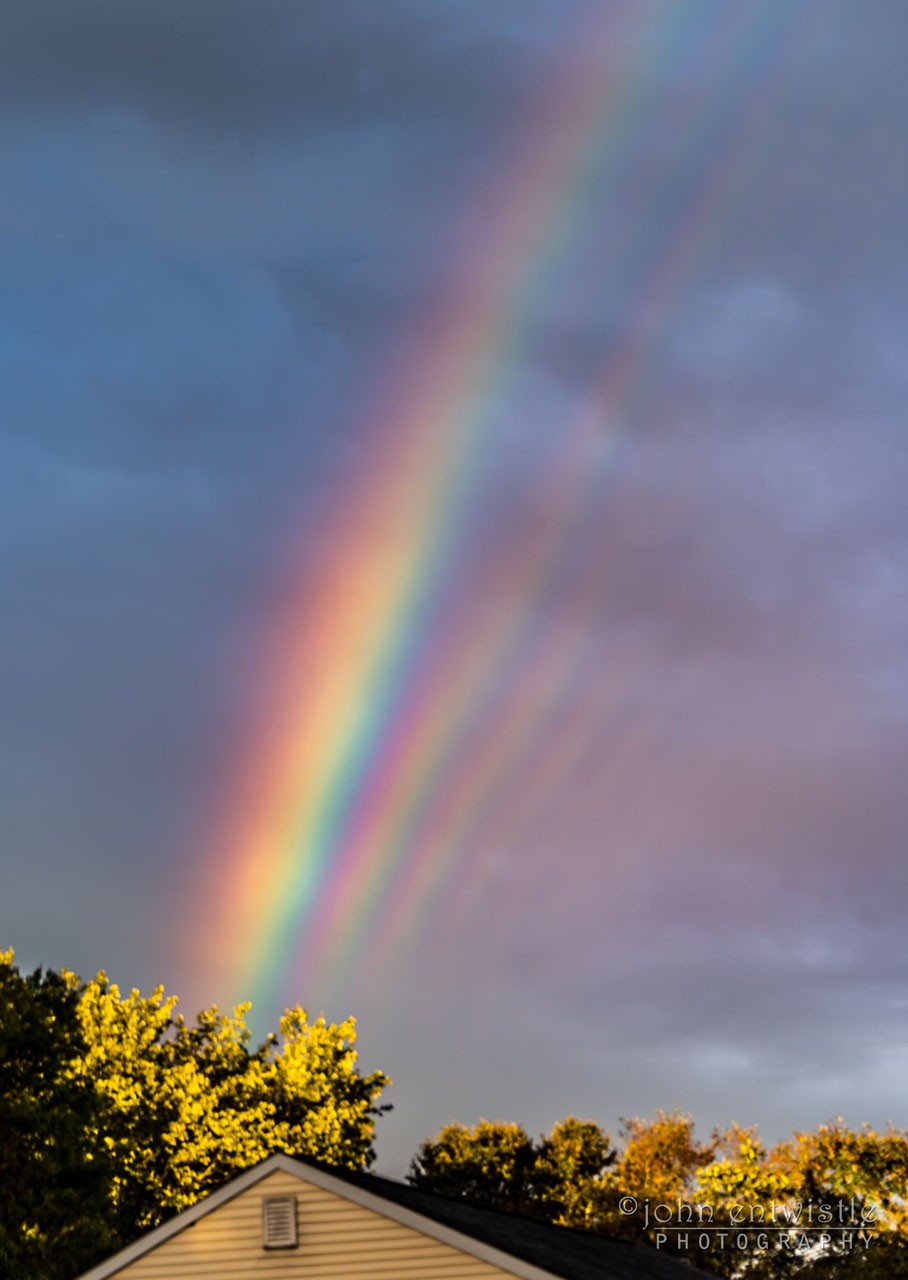
NASA's picture of the day captures rare supernumerary rainbows over New Jersey
NASA's Astronomy Picture of the Day for October 4 highlights an unusual rainbow phenomenon photographed in New Jersey.

Shropshire Astronomers Get Permission to Install Mini-Observatory
The Shropshire Astronomical Society plans to install an observatory dome at Rodington village hall.

Indonesia: Anak Krakatoa eruption may have given birth to two new islands
Indonesian authorities announced the discovery of two new stretches of land near the volcano, whose early-September eruption had disrupted air traffic.