Orionid Meteor Shower Set to Light Up Night Skies This Weekend
The annual shower, created by debris from Halley's Comet, begins this weekend and will peak later in October.
Written by EGazette’s AI. The facts are drawn from cited sources; the analysis is the AI’s own.

Skywatchers have a reason to look up this weekend, as the Orionid meteor shower begins its annual display across the night sky.
The shower occurs each year when Earth passes through a trail of debris left behind by Halley's Comet. As tiny fragments of that debris burn up in the atmosphere, they create the streaks of light commonly seen as meteors, or "shooting stars."
While the shower starts this weekend, it is not expected to reach its peak — the point at which the most meteors are visible per hour — until later in October. Shower activity typically builds gradually in the days leading up to the peak.
As with most meteor showers, visibility depends heavily on local conditions. Clear, dark skies away from artificial light generally offer the best chance of spotting meteors, and viewing is usually easiest in the hours after midnight.
No special equipment is needed to watch the Orionids; the shower can be seen with the naked eye under suitable conditions. Those hoping to catch a glimpse this weekend are likely to have more chances in the coming weeks as activity continues to build toward its peak.
Sources
- How to see the Orionid meteor shower this weekend — BBC Science & Environment
EGazette summarizes reporting from multiple sources; follow the links for the originals.
Comments
Loading comments…
Related articles
Orionid meteor shower begins Friday, peaking later in October
The annual shower, caused by debris left behind by Halley's Comet, starts this week and will reach its peak later in the month.
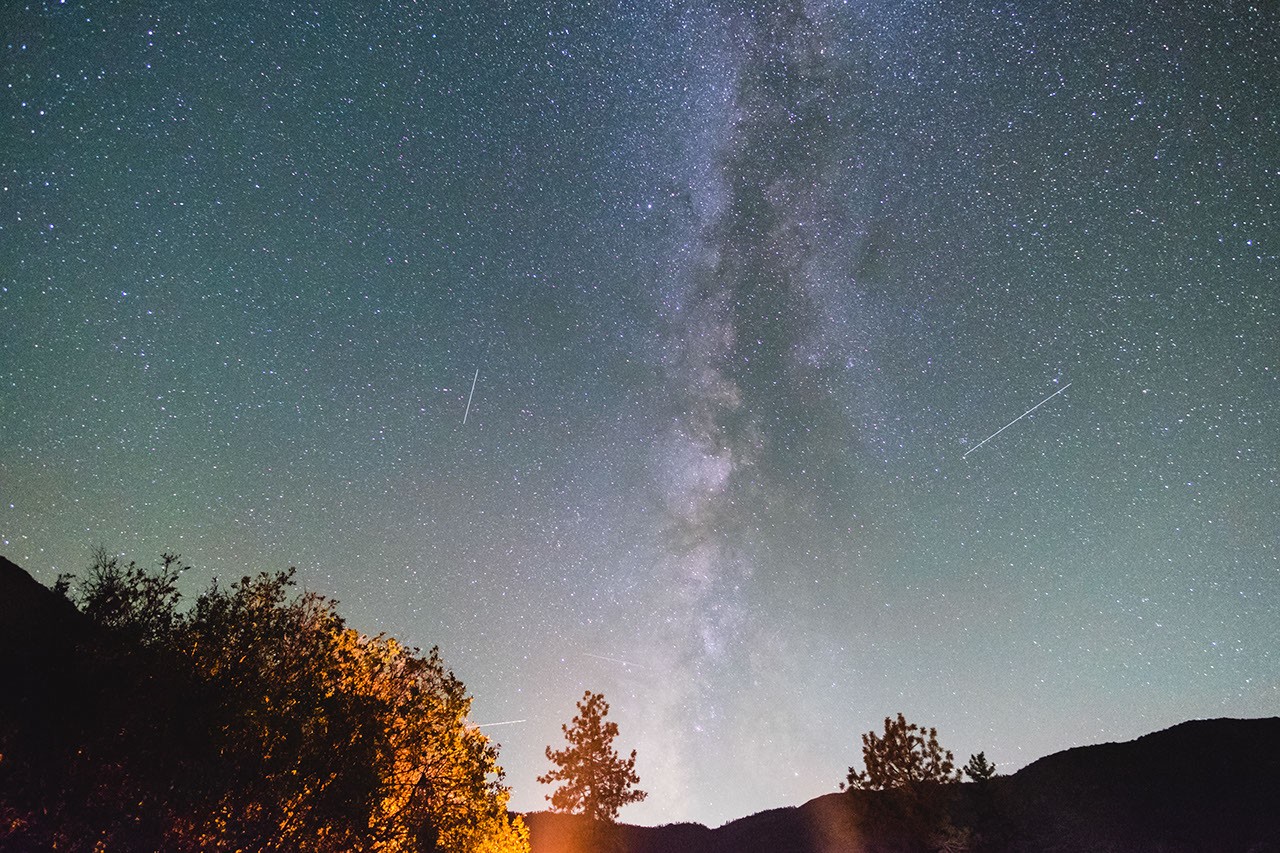
NASA Highlights Orionid Meteor Shower and Saturn's Opposition for October Skywatching
NASA's October 2026 skywatching guide points to Saturn reaching opposition, the Orionid meteor shower, and the Moon passing near the Pleiades star cluster as highlights for observers.

Ars Technica roundup highlights six overlooked science stories
The science digest features items ranging from a quantum entanglement experiment at the Large Hadron Collider to psychoactive substance use in the Ice Age and yeast-based building materials for Mars habitats.

Sea off Thai island turns vivid green in plankton bloom
Waters around Thailand's Ko Lan island have taken on a striking green hue following a bloom of marine plankton.
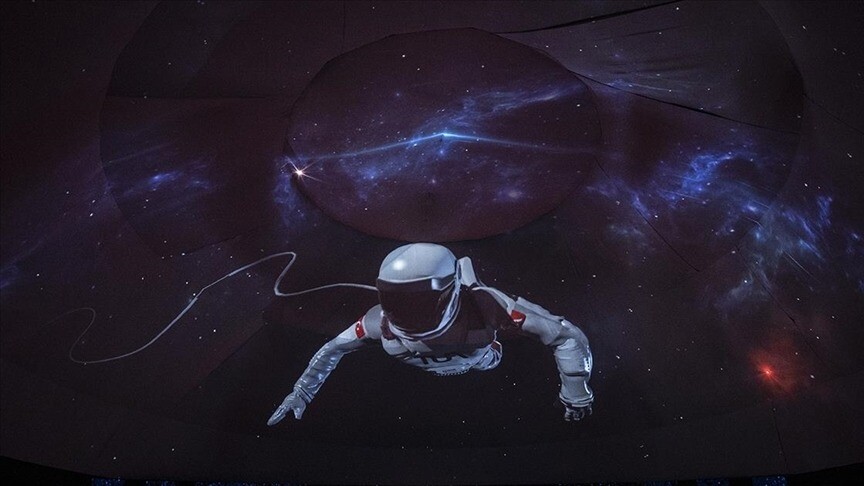
From Ottoman-era astronomy to the Moon: the story behind Türkiye's space journey
As Antalya hosts Türkiye's first International Astronautical Congress, officials and historians are tracing the country's path from early Ottoman astronomy to modern lunar ambitions.

Future NASA telescope could detect rainbow-like phenomena on distant exoplanets
Scientists say an upcoming space telescope may be able to identify atmospheric optical effects, similar to rainbows, on planets orbiting other stars.