Future NASA telescope could detect rainbow-like phenomena on distant exoplanets
Scientists say an upcoming space telescope may be able to identify atmospheric optical effects, similar to rainbows, on planets orbiting other stars.
Written by EGazette’s AI. The facts are drawn from cited sources; the analysis is the AI’s own.
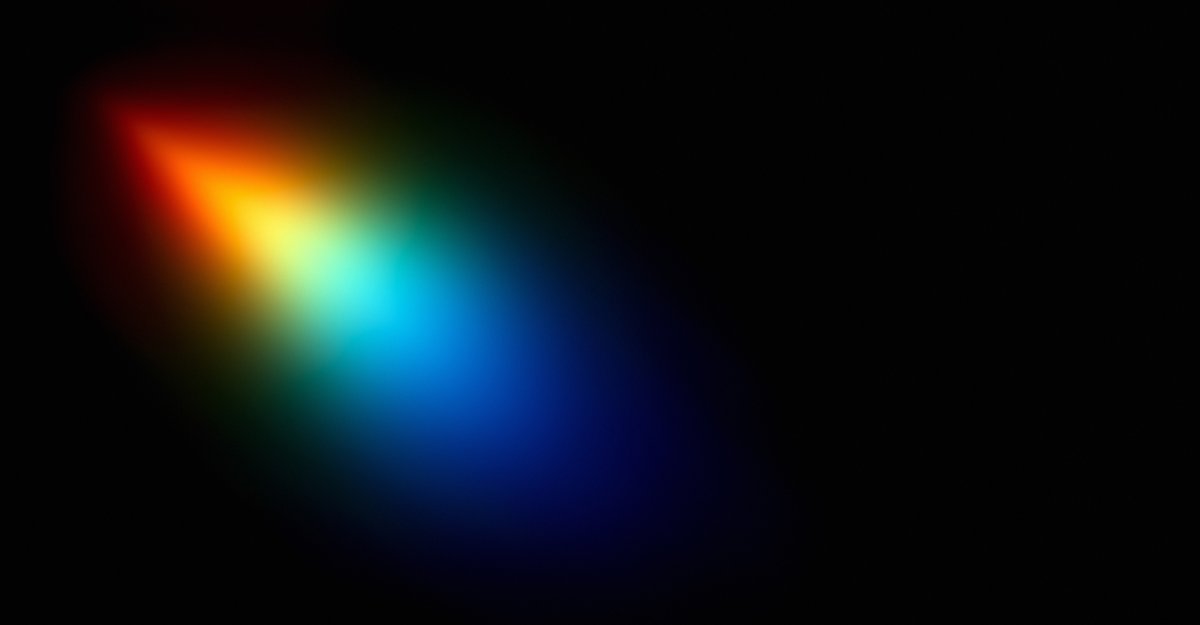
A future NASA telescope could be capable of detecting rainbow-like atmospheric phenomena on planets orbiting stars outside our solar system, according to a report in Scientific American.
Such optical effects, if observed, would offer scientists a new way to study the atmospheres of distant exoplanets, potentially revealing information about cloud composition and atmospheric conditions on worlds light-years away.
A new observational tool
The report did not specify which telescope mission is under discussion or provide a timeline for when such observations might become possible. Detecting these atmospheric signatures would add to the growing toolkit scientists use to characterize exoplanet environments from afar.
Sources
- How to see rainbows on exoplanets — Scientific American
EGazette summarizes reporting from multiple sources; follow the links for the originals.
Comments
Loading comments…
Related articles
.jpg/jcr:content/renditions/cq5dam.web.1280.1280.jpeg)
NASA Image Compiles the Entire Sharpless Catalog of 313 Nebulas
A new composite image brings together all 313 hydrogen-rich nebulas cataloged in the Sharpless Catalog of H II regions.
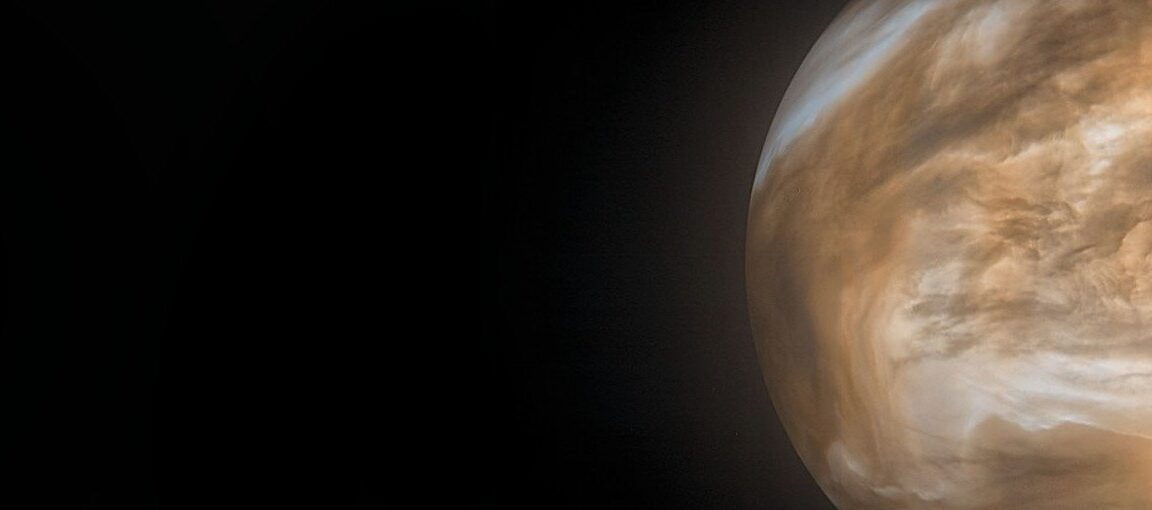
Venus's Mysterious Haze May Be Made of Cosmic Dust, Study Suggests
A new physical model shows iron dust combined with sulfuric acid could explain long-unresolved properties of Venus's atmospheric haze, according to Ars Technica.
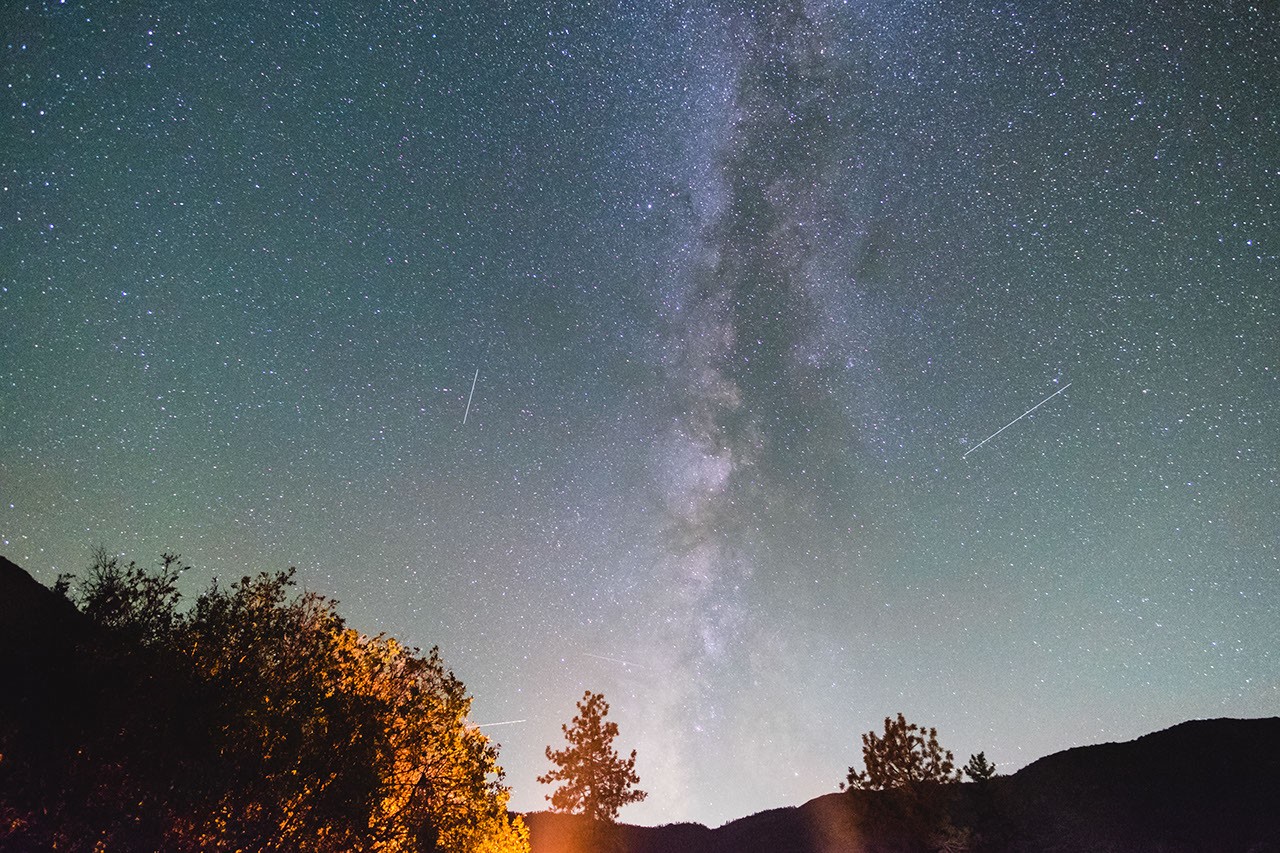
NASA Highlights Orionid Meteor Shower and Saturn's Opposition for October Skywatching
NASA's October 2026 skywatching guide points to Saturn reaching opposition, the Orionid meteor shower, and the Moon passing near the Pleiades star cluster as highlights for observers.
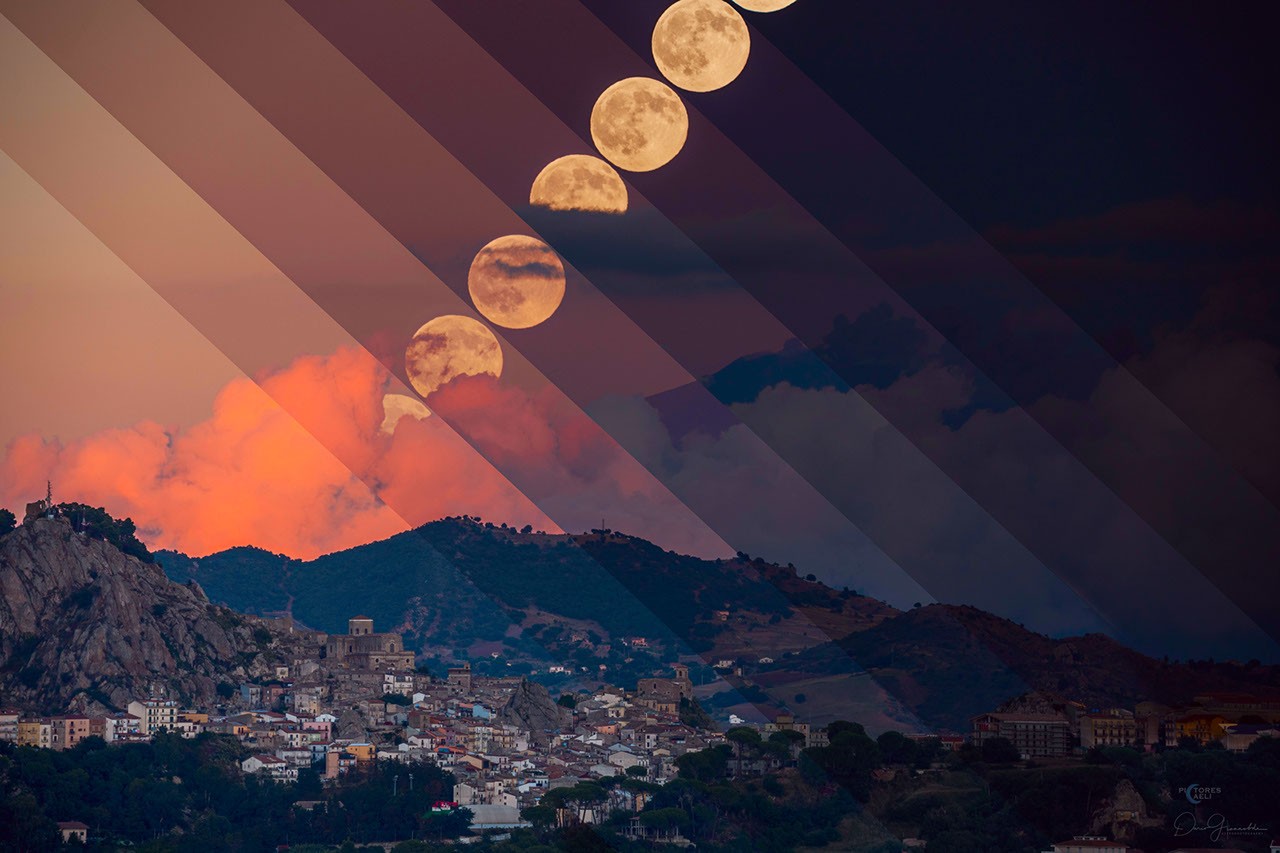
NASA's Astronomy Picture of the Day Captures Harvest Moon Over Erupting Mount Etna
The October 1 image pairs the glow of the Harvest Moon and the Belt of Venus with an active eruption at Sicily's Mount Etna.
From Ottoman-era astronomy to the Moon: the story behind Türkiye's space journey
As Antalya hosts Türkiye's first International Astronautical Congress, officials and historians are tracing the country's path from early Ottoman astronomy to modern lunar ambitions.

Orionid meteor shower begins Friday, peaking later in October
The annual shower, caused by debris left behind by Halley's Comet, starts this week and will reach its peak later in the month.