NASA Image Compiles the Entire Sharpless Catalog of 313 Nebulas
A new composite image brings together all 313 hydrogen-rich nebulas cataloged in the Sharpless Catalog of H II regions.
Written by EGazette’s AI. The facts are drawn from cited sources; the analysis is the AI’s own.
.jpg/jcr:content/renditions/cq5dam.web.1280.1280.jpeg)
A newly compiled astronomical image brings together the entire Sharpless Catalog of H II regions, encompassing all 313 cataloged nebulas in a single composite view, according to NASA's Astronomy Picture of the Day feature.
The Sharpless Catalog, first published in the mid-20th century, lists hydrogen-rich emission nebulas, known as H II regions, found throughout the night sky. These regions mark areas where hydrogen gas glows due to the intense ultraviolet radiation from nearby young, hot stars, often signaling active star formation.
Compiling an image that captures all 313 objects in the catalog required combining data and imaging techniques capable of covering a vast swath of the sky in a single composite, giving viewers the chance to zoom in and explore individual nebulas within the larger mosaic.
H II regions are of particular interest to astronomers because they offer insight into the life cycles of stars, including the conditions under which new stars form from clouds of gas and dust. Studying them collectively, as this catalog compilation allows, offers a broader picture of star-forming activity across the observable galaxy.
The image was featured as NASA's Astronomy Picture of the Day, a long-running feature that highlights notable images and explanations related to astronomy and space science.
Sources
- APOD: 2026 October 2 – The Complete Sharpless Catalog: 313 Nebulas — NASA Breaking News
EGazette summarizes reporting from multiple sources; follow the links for the originals.
Comments
Loading comments…
Related articles
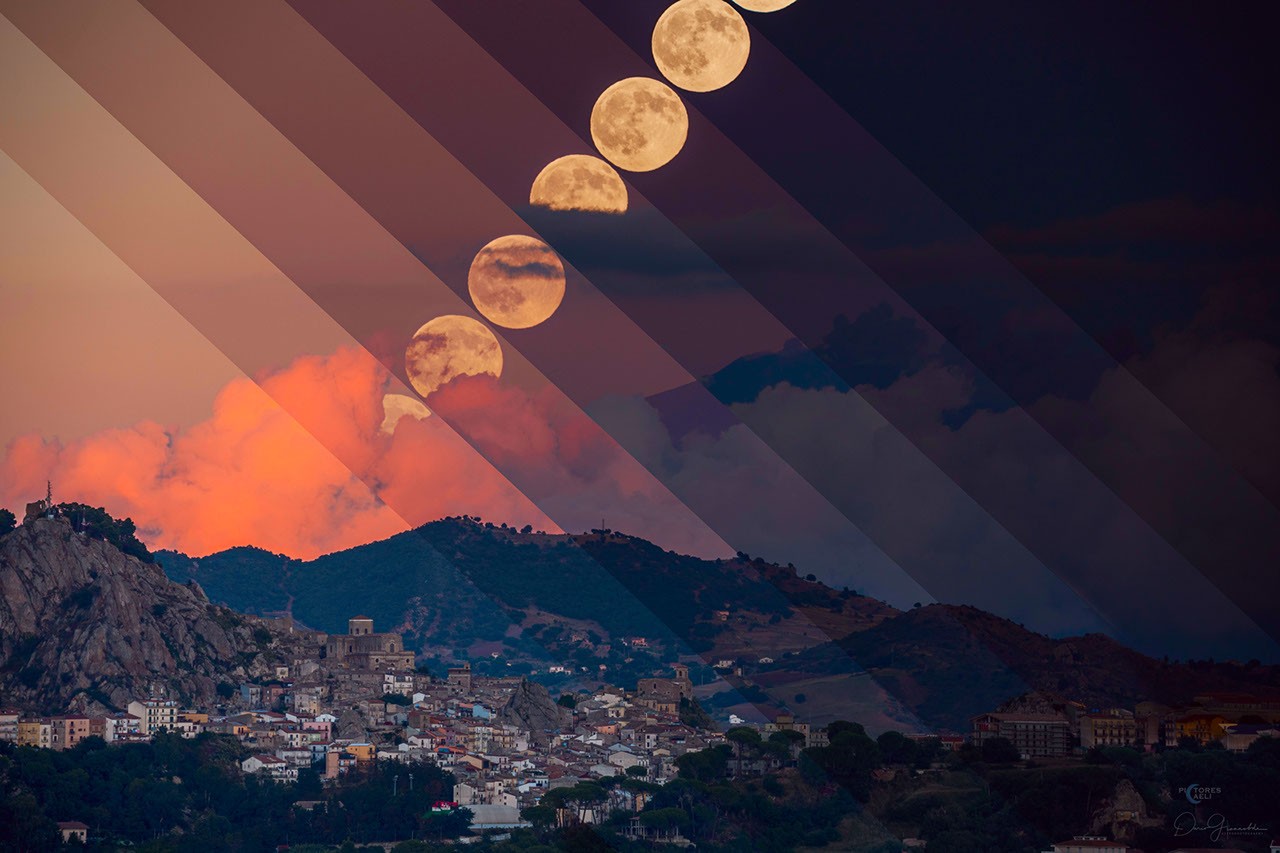
NASA's Astronomy Picture of the Day Captures Harvest Moon Over Erupting Mount Etna
The October 1 image pairs the glow of the Harvest Moon and the Belt of Venus with an active eruption at Sicily's Mount Etna.

Sophie Adenot begins return to Earth as her ISS replacement crew arrives
The new Crew-13 team reached the International Space Station after the fastest trip ever made by a US spacecraft, NASA says.
NASA invites public to virtual 'Movie Night' with its documentary library
NASA is encouraging audiences to stream its NASA+ documentaries for free as part of an ongoing 'Movie Night' initiative.
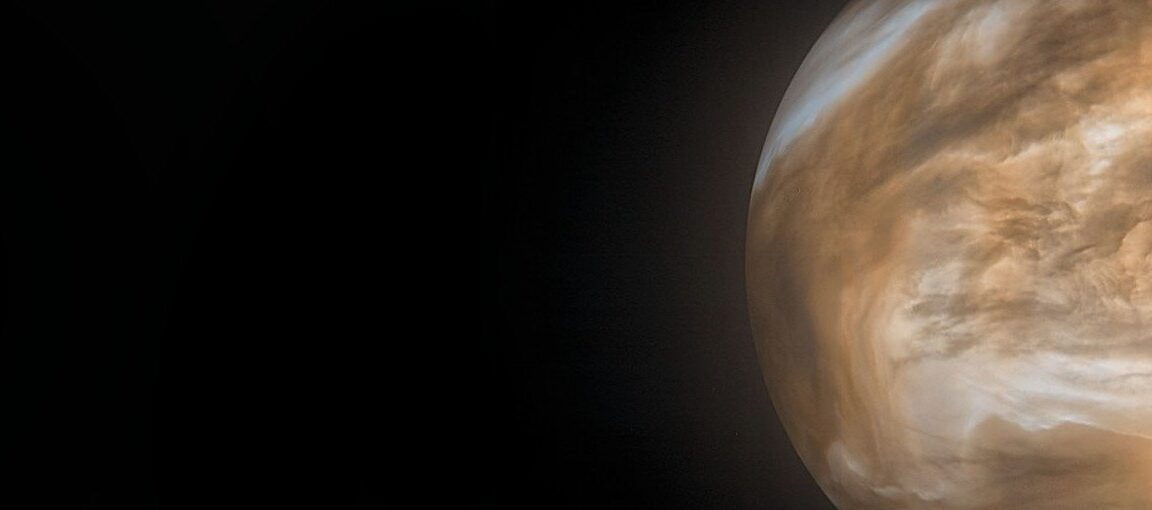
Venus's Mysterious Haze May Be Made of Cosmic Dust, Study Suggests
A new physical model shows iron dust combined with sulfuric acid could explain long-unresolved properties of Venus's atmospheric haze, according to Ars Technica.
NASA awards $1.4 billion logistics support agreements to 16 companies
The new Enterprise Logistics Support Services agreements aim to standardize requirements and streamline cost and resource management across NASA operations.
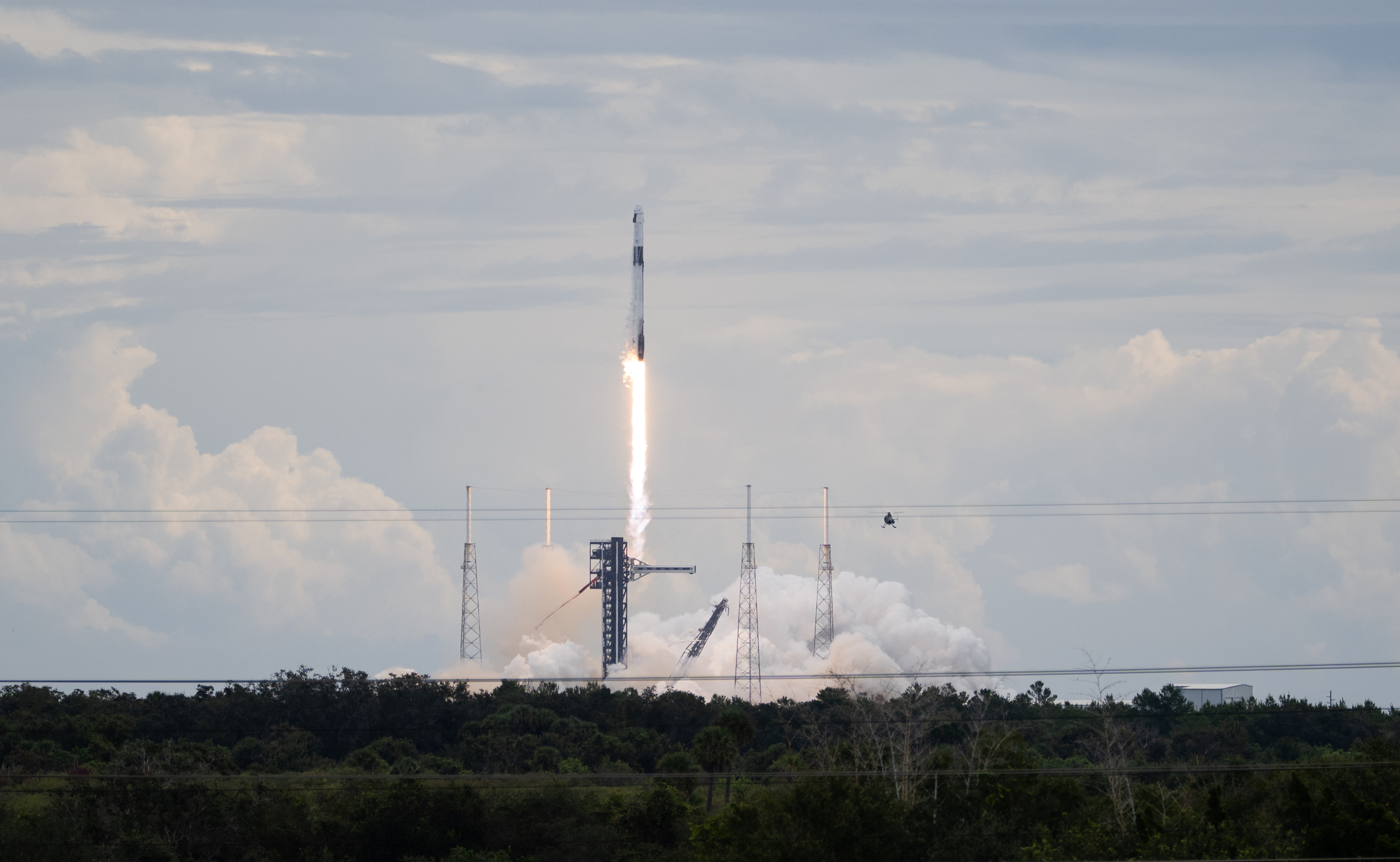
SpaceX Launches NASA's Crew-13 Mission to the International Space Station
A Falcon 9 rocket and Dragon spacecraft carried four crew members, including astronauts from NASA, Canada, and Russia, toward the ISS, according to NASA.