NASA Highlights Orionid Meteor Shower and Saturn's Opposition for October Skywatching
NASA's October 2026 skywatching guide points to Saturn reaching opposition, the Orionid meteor shower, and the Moon passing near the Pleiades star cluster as highlights for observers.
Written by EGazette’s AI. The facts are drawn from cited sources; the analysis is the AI’s own.
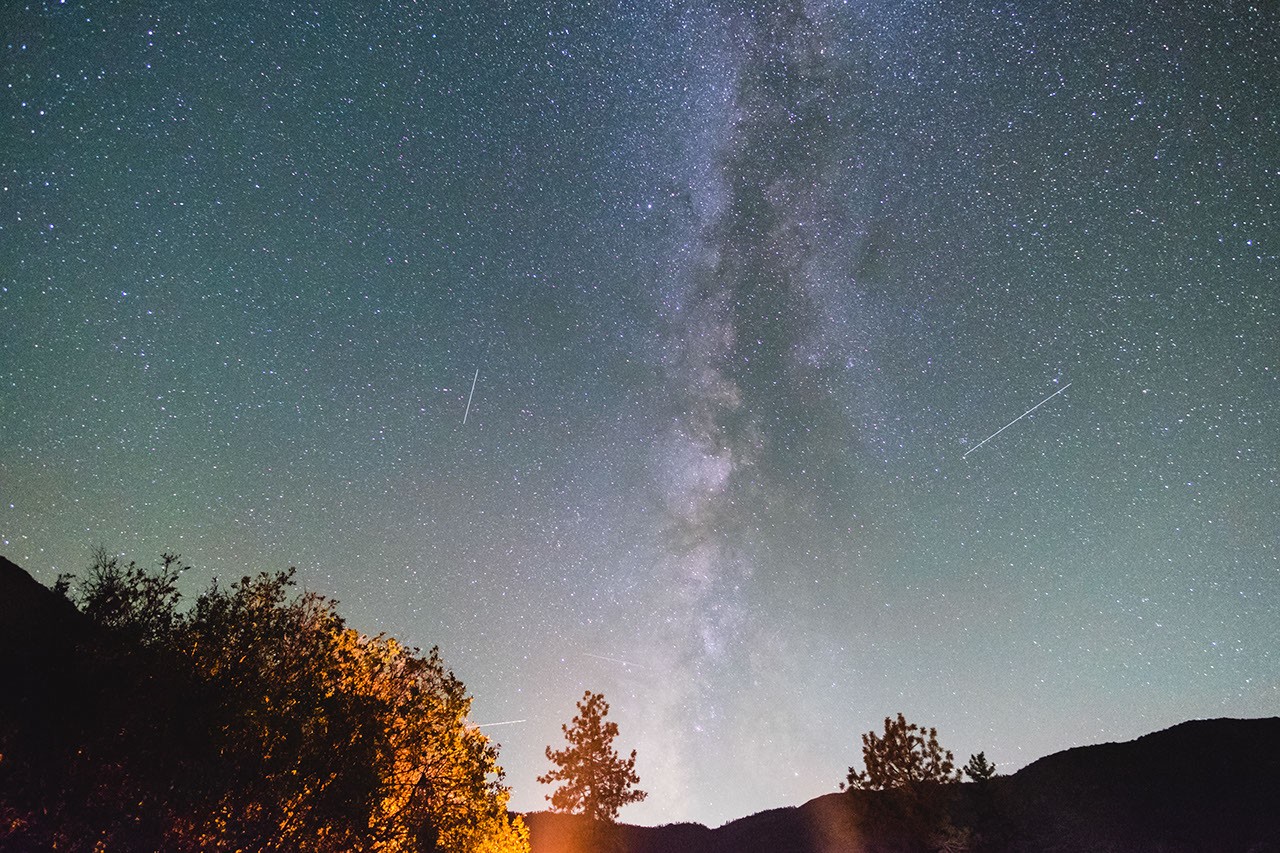
NASA has released its monthly skywatching guide for October 2026, highlighting several astronomical events observers can look out for, according to the agency's 'What's Up' series.
Among the highlights, Saturn is set to reach opposition, a point in its orbit when the planet is positioned opposite the sun from Earth's perspective, making it appear at its brightest and largest in the night sky for the year. NASA also points to the Orionid meteor shower, an annual event associated with debris from Halley's Comet, as a key event for skywatchers during the month.
The guide additionally notes that the Moon will pass close to the Pleiades, also known as the Seven Sisters, a prominent and easily recognizable open star cluster visible to the naked eye in the night sky.
Viewing Tips
NASA's skywatching guides typically recommend viewing from locations with minimal light pollution and allowing eyes to adjust to darkness for optimal visibility of meteor showers and fainter celestial objects. The agency did not specify the exact dates within October for the Orionid shower's peak in the referenced excerpt, though the shower is historically associated with mid-to-late October activity.
NASA regularly publishes these monthly guides to help the public engage with naked-eye and binocular-visible astronomical events throughout the year.
Sources
- What’s Up: October 2026 Skywatching Tips from NASA — NASA Breaking News
EGazette summarizes reporting from multiple sources; follow the links for the originals.
Comments
Loading comments…
Related articles
NASA's Astronomy Picture of the Day Captures Harvest Moon Over Erupting Mount Etna
The October 1 image pairs the glow of the Harvest Moon and the Belt of Venus with an active eruption at Sicily's Mount Etna.
NASA Calls on Citizen Scientists to Help Reveal Cosmic Dust Through Overlapping Galaxies
A new citizen science project invites volunteers to study rare instances where galaxies appear to overlap from Earth's point of view.
NASA image captures star trails above Earth from the space station
A long-exposure photograph from the International Space Station shows star trails over the Banda Sea, lit by fishing boats and Indonesian city lights below.
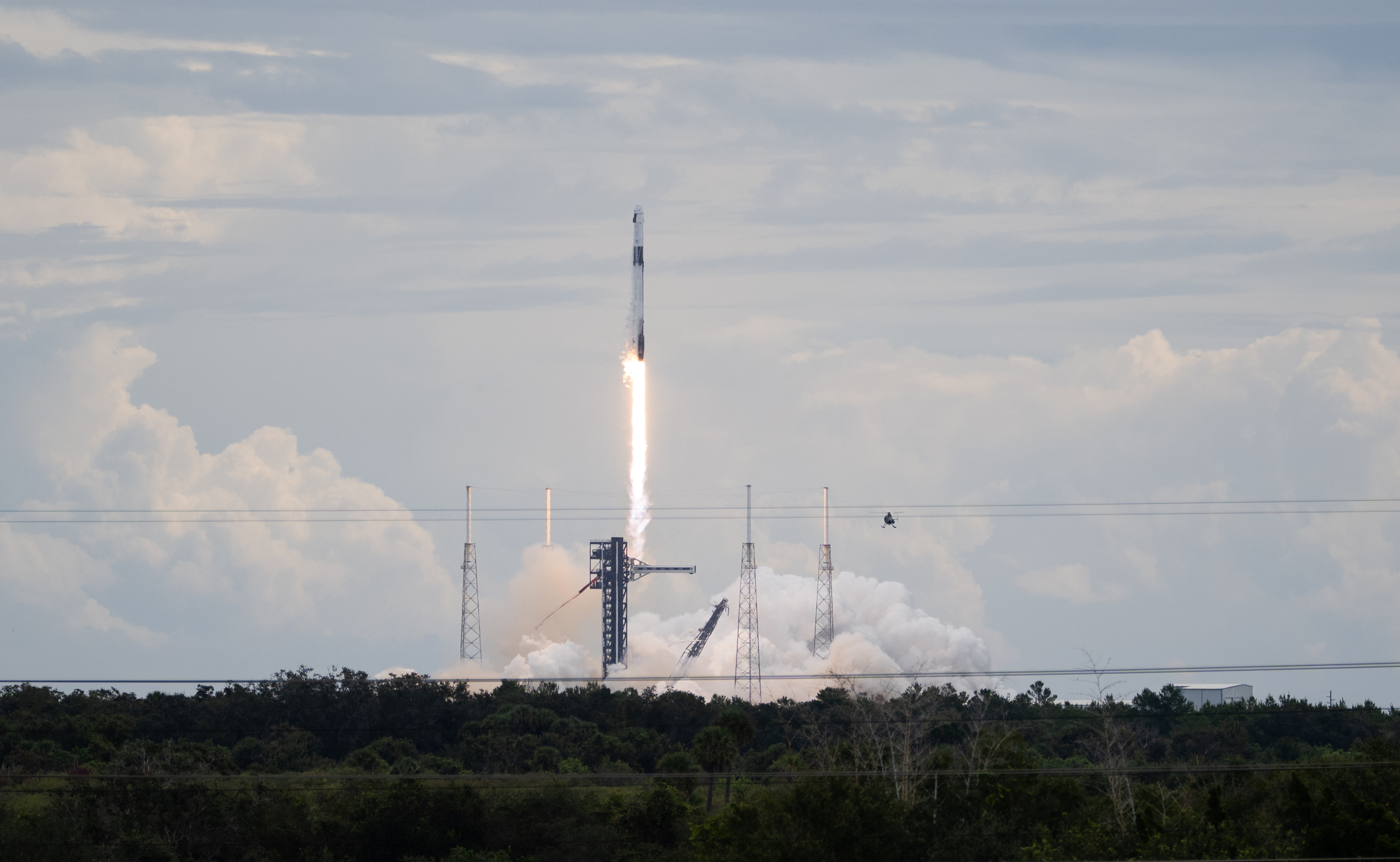
SpaceX Launches NASA's Crew-13 Mission to the International Space Station
A Falcon 9 rocket and Dragon spacecraft carried four crew members, including astronauts from NASA, Canada, and Russia, toward the ISS, according to NASA.
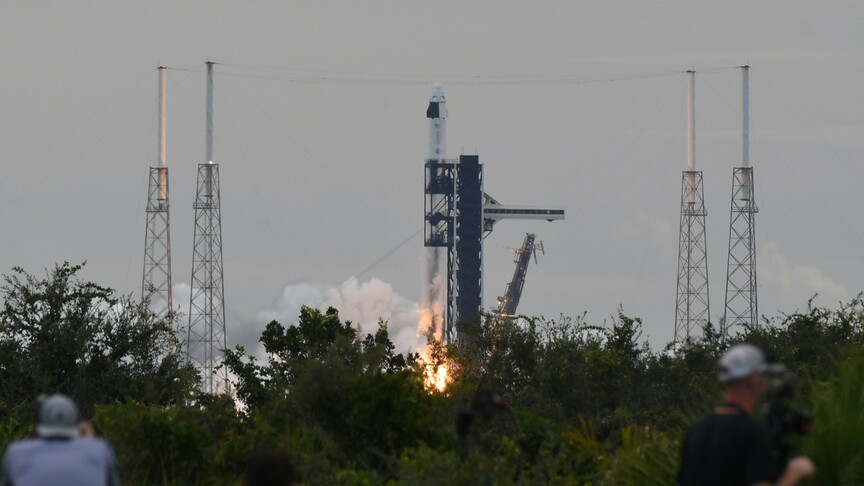
SpaceX Crew-13 Reaches Orbit, Heads for Record-Fast ISS Docking
NASA says four astronauts aboard SpaceX's Crew-13 mission are expected to reach the International Space Station in just under eight hours, the fastest launch-to-docking time yet.
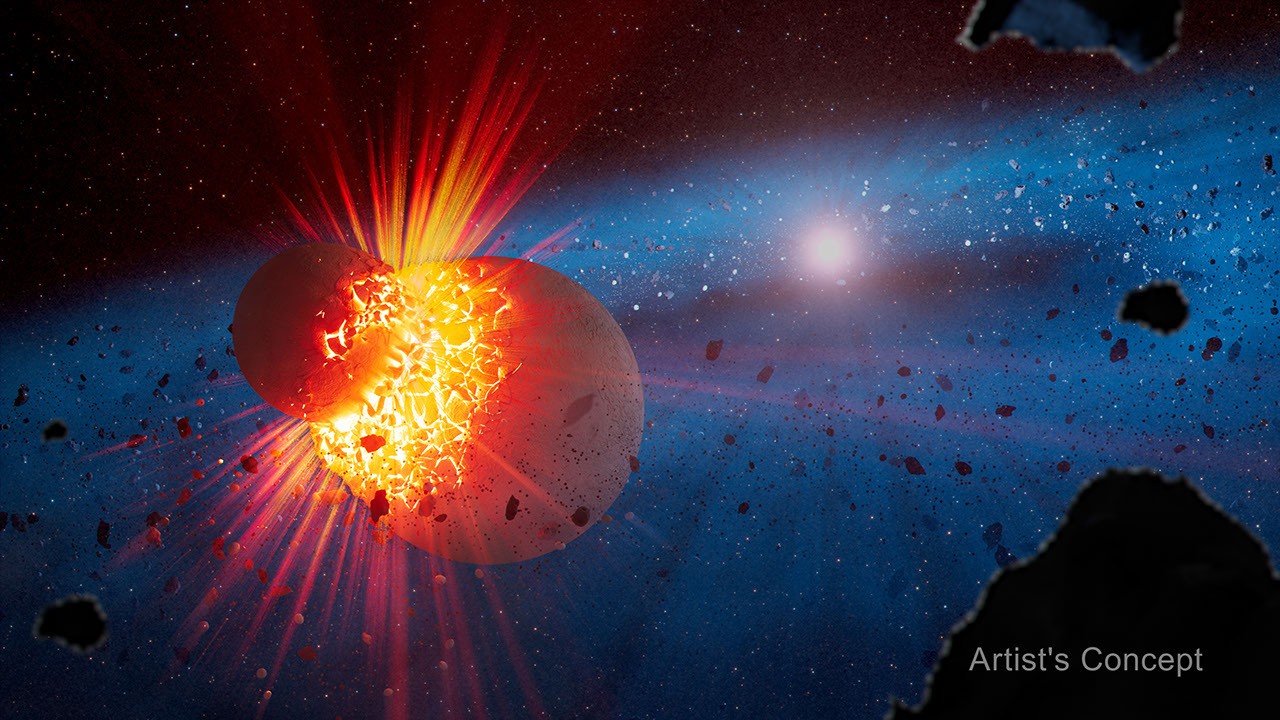
Report: NASA’s Webb Provides Crash Course on Planet-Shattering Collisions
A report from NASA Breaking News sets out the main available details, with claims kept attributed to their sources.