Astronomers find clue suggesting a white dwarf may host a 'second-generation' planet
New Hubble Space Telescope data reveals a chemical signature pointing to a possible second-generation planet orbiting the white dwarf star HS 0209+0832, NASA says.
Written by EGazette’s AI. The facts are drawn from cited sources; the analysis is the AI’s own.

Astronomers have uncovered a surprising chemical clue suggesting that the white dwarf star HS 0209+0832 may host what researchers describe as a second-generation planet, according to data released by NASA.
The finding was illustrated in an artist's concept released by NASA on Oct. 5, 2026, depicting the possible scenario. A white dwarf is the "dead" core of a star that has burned through all of its nuclear fuel and lost its outer layers.
A stellar "cold case"
NASA described the discovery as astronomers solving a cosmic "cold case" using data gathered by the Hubble Space Telescope. The agency's release did not provide further detail on exactly how a second-generation planet might form around a star that has already reached the white dwarf stage.
NASA's release did not include additional specifics on the size, composition, or orbital characteristics of the possible planet, noting only that the chemical signature detected provided the key evidence behind the hypothesis.
Sources
- Astronomers Solve Cosmic Cold Case with NASA Hubble Data — NASA Breaking News
EGazette summarizes reporting from multiple sources; follow the links for the originals.
Comments
Loading comments…
Related articles
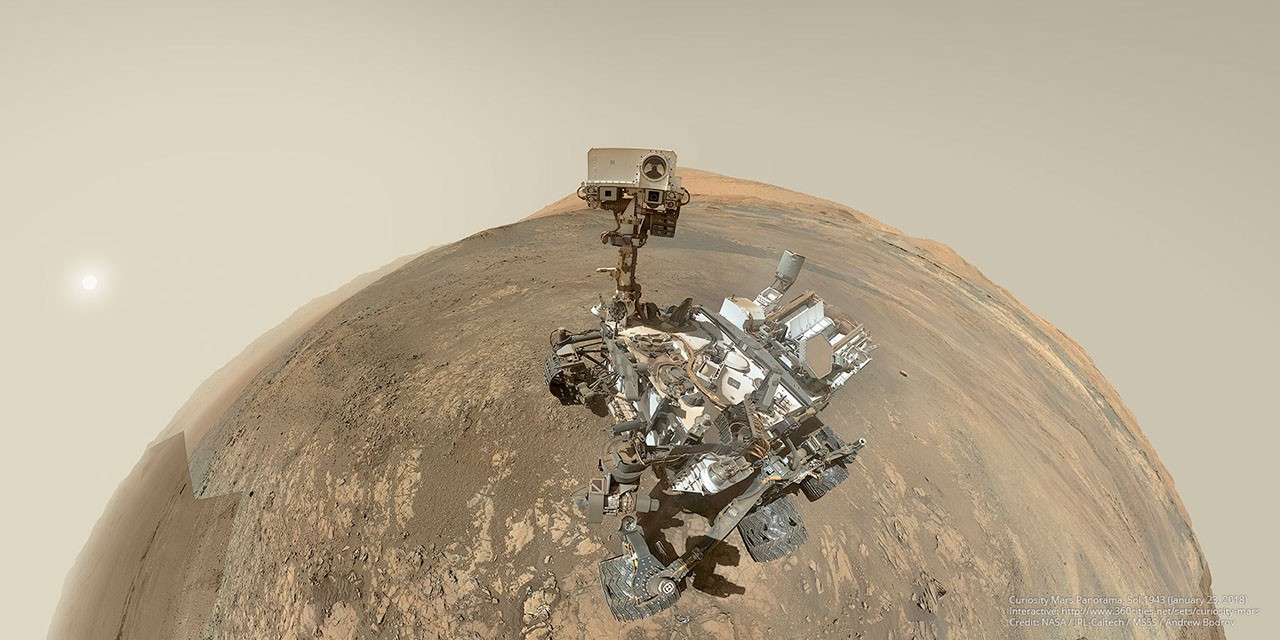
NASA's Astronomy Picture of the Day features Mars rover selfie at Vera Rubin Ridge
The October 3 entry in NASA's long-running APOD series highlights a self-portrait captured at a notable site on Mars.
.jpg/jcr:content/renditions/cq5dam.web.1280.1280.jpeg)
NASA Image Compiles the Entire Sharpless Catalog of 313 Nebulas
A new composite image brings together all 313 hydrogen-rich nebulas cataloged in the Sharpless Catalog of H II regions.
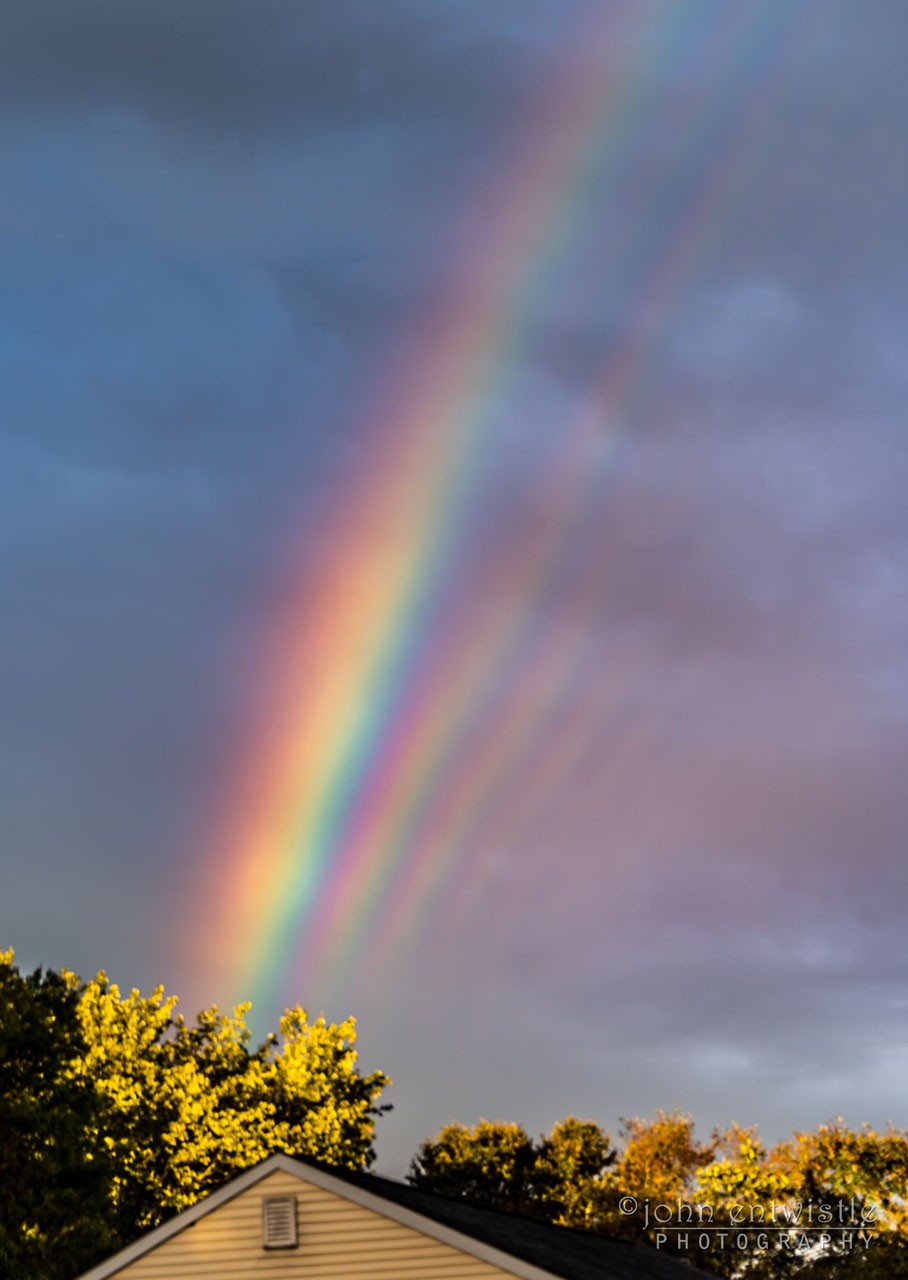
NASA's picture of the day captures rare supernumerary rainbows over New Jersey
NASA's Astronomy Picture of the Day for October 4 highlights an unusual rainbow phenomenon photographed in New Jersey.

Milt Windler, NASA flight director who helped save Apollo 13, dies at 94
Windler led one of the shifts that guided the crippled Apollo 13 mission safely back to Earth in 1970.

NASA's DAVINCI probe engineering unit passes extreme heat test
The yoga ball-sized vessel was subjected to temperatures of up to 869°F in a ceramic-lined thermal chamber.

From Ottoman-era astronomy to the Moon: the story behind Türkiye's space journey
As Antalya hosts Türkiye's first International Astronautical Congress, officials and historians are tracing the country's path from early Ottoman astronomy to modern lunar ambitions.