NASA's Astronomy Picture of the Day features Mars rover selfie at Vera Rubin Ridge
The October 3 entry in NASA's long-running APOD series highlights a self-portrait captured at a notable site on Mars.
Written by EGazette’s AI. The facts are drawn from cited sources; the analysis is the AI’s own.
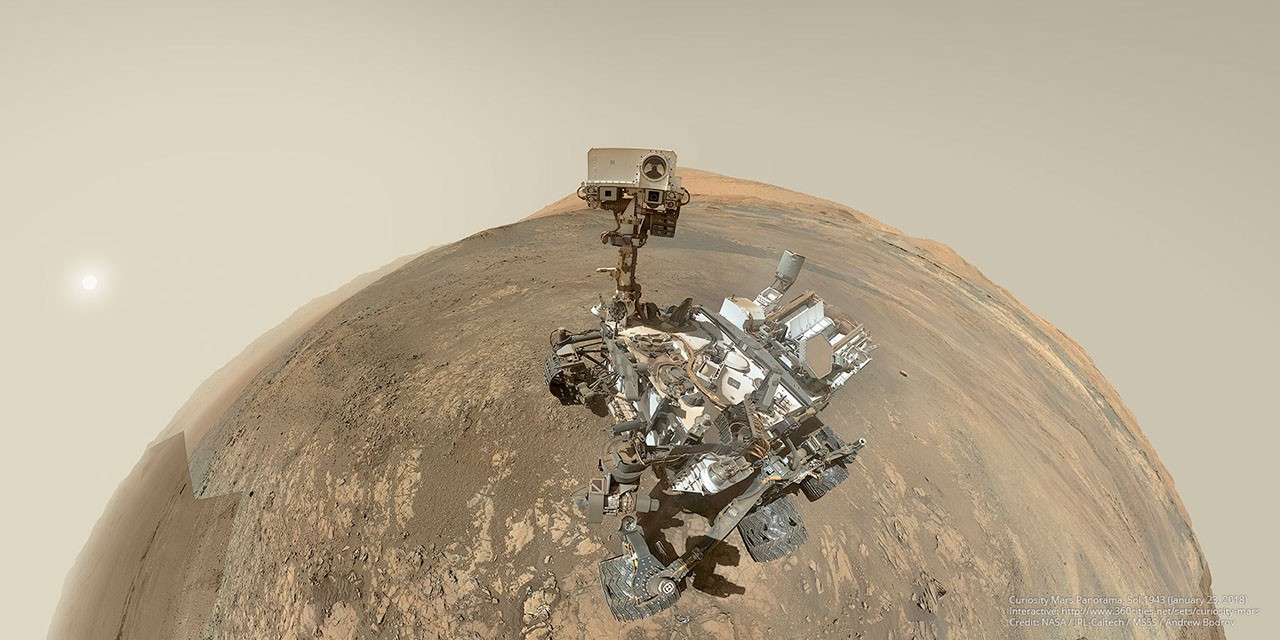
NASA's Astronomy Picture of the Day (APOD) for October 3, 2026, features an image titled "Selfie at Vera Rubin Ridge," continuing the publication's long-running tradition of showcasing notable images from across the cosmos.
Vera Rubin Ridge is a site on Mars that has been explored as part of ongoing robotic missions studying the Martian surface, and self-portrait images captured by rovers at such locations are typically assembled from multiple camera shots taken during the mission.
The Astronomy Picture of the Day series, which has run for many years, publishes a new image daily along with a brief explanation written by a professional astronomer, covering a wide range of subjects from distant galaxies to planetary science within our own solar system.
The archive is maintained as an ongoing public resource, with each day's featured image accompanied by further educational context for readers interested in space science and astronomy.
Sources
- APOD: 2026 October 3 – Selfie at Vera Rubin Ridge — NASA Breaking News
EGazette summarizes reporting from multiple sources; follow the links for the originals.
Comments
Loading comments…
Related articles
.jpg/jcr:content/renditions/cq5dam.web.1280.1280.jpeg)
NASA Image Compiles the Entire Sharpless Catalog of 313 Nebulas
A new composite image brings together all 313 hydrogen-rich nebulas cataloged in the Sharpless Catalog of H II regions.
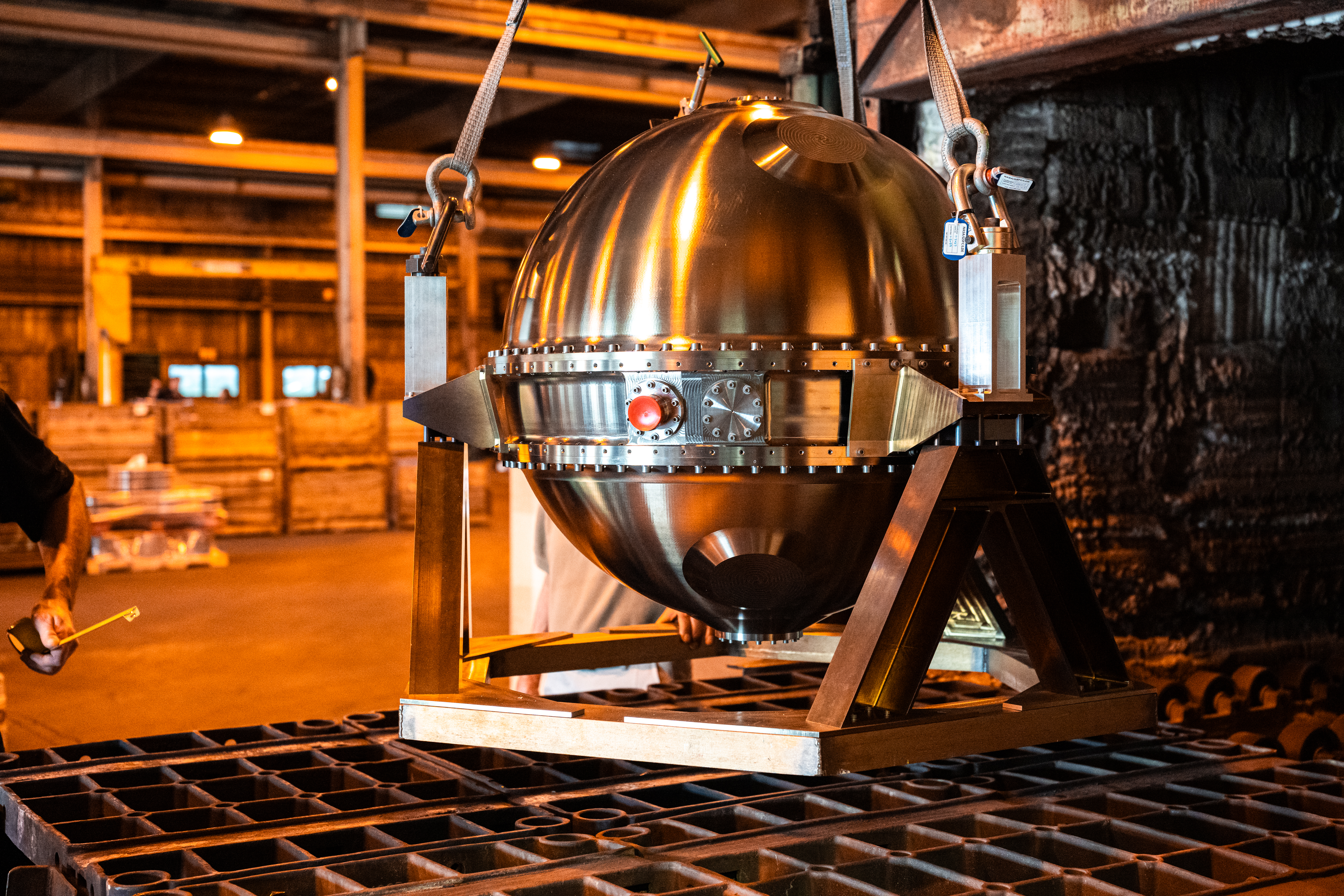
NASA's DAVINCI probe engineering unit passes extreme heat test
The yoga ball-sized vessel was subjected to temperatures of up to 869°F in a ceramic-lined thermal chamber.
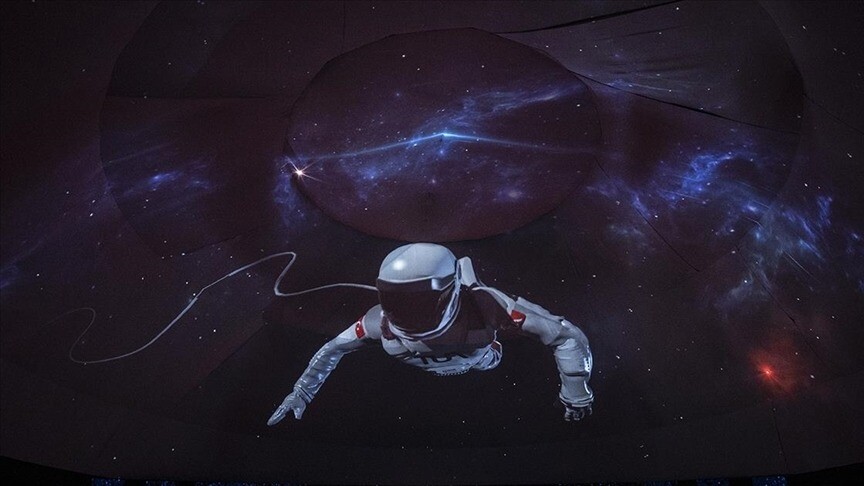
From Ottoman-era astronomy to the Moon: the story behind Türkiye's space journey
As Antalya hosts Türkiye's first International Astronautical Congress, officials and historians are tracing the country's path from early Ottoman astronomy to modern lunar ambitions.

Future NASA telescope could detect rainbow-like phenomena on distant exoplanets
Scientists say an upcoming space telescope may be able to identify atmospheric optical effects, similar to rainbows, on planets orbiting other stars.

Orionid meteor shower begins Friday, peaking later in October
The annual shower, caused by debris left behind by Halley's Comet, starts this week and will reach its peak later in the month.

Sophie Adenot begins return to Earth as her ISS replacement crew arrives
The new Crew-13 team reached the International Space Station after the fastest trip ever made by a US spacecraft, NASA says.