South Korea launches fifth Nuri rocket, carrying 15 satellites
The domestically built launcher lifted off with a batch of satellites including five NEONSAT microsatellites meant to form the country's first homegrown microsatellite constellation.
Written by EGazette’s AI. The facts are drawn from cited sources; the analysis is the AI’s own.
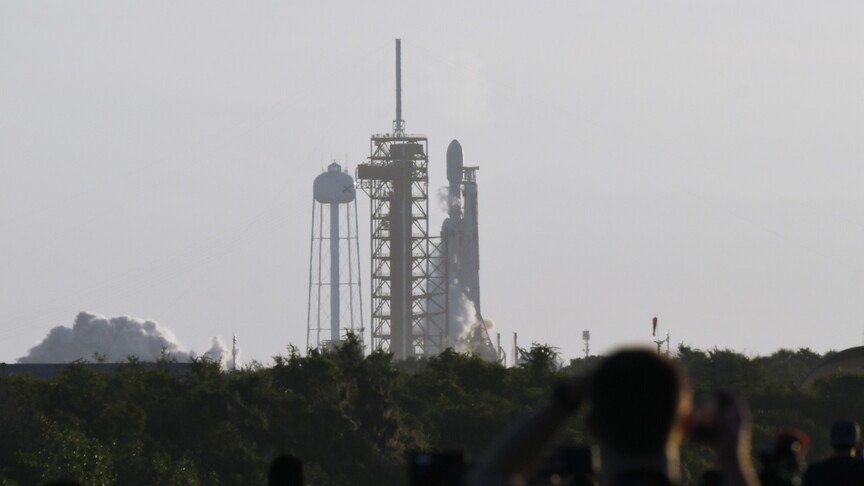
South Korea carried out the fifth flight of its homegrown Nuri rocket, sending 15 satellites into orbit in the latest step of the country's effort to build an independent space-launch capability.
Among the payloads were five NEONSAT microsatellites, which are intended to form the core of South Korea's first domestically launched microsatellite constellation. The constellation is designed to work together to gather imagery and other data, rather than relying on a single larger satellite.
The Nuri launcher, developed by the Korea Aerospace Research Institute, has now flown five times as Seoul has worked to reduce its dependence on foreign launch providers for government and research satellites. Earlier flights were used to validate the rocket's three-stage design before it began carrying operational payloads.
The latest mission adds to a growing list of satellites placed in orbit by the program, and officials have pointed to the NEONSAT series as evidence that the country can now design, build and launch small satellite networks largely with its own technology.
South Korea has set out plans to expand its space activities in the coming years, including further satellite launches and work on reusable rocket technology, as it seeks a larger role in the global space sector alongside established players.
Sources
- South Korea launches homegrown Nuri rocket carrying 15 satellites — Anadolu Agency (Turkey)
EGazette summarizes reporting from multiple sources; follow the links for the originals.
Comments
Loading comments…
Related articles

Who Are the New Players Entering the Global Space Industry?
A widening circle of companies and countries beyond the traditional space powers is increasingly shaping activity beyond Earth's orbit.
Turkey's Space Agency Signs Two Cooperation Agreements at International Astronautical Congress
The Turkish Space Agency signed deals with counterparts from fellow Turkic states and the UK Space Agency to pursue joint space projects.
European space chief says Europe has no weapons in space but is watching developments closely
ESA Director General Josef Aschbacher said a war fought in space remains unlikely in the near term, partly because resulting debris could damage the aggressor's own satellites.
Medvedev warns blocking Rassvet satellite network could trigger "full-scale space warfare"
A senior Russian official said a Ukrainian-sought move to block Russia's Rassvet satellite network would amount to destroying the system and risk broader conflict in space.
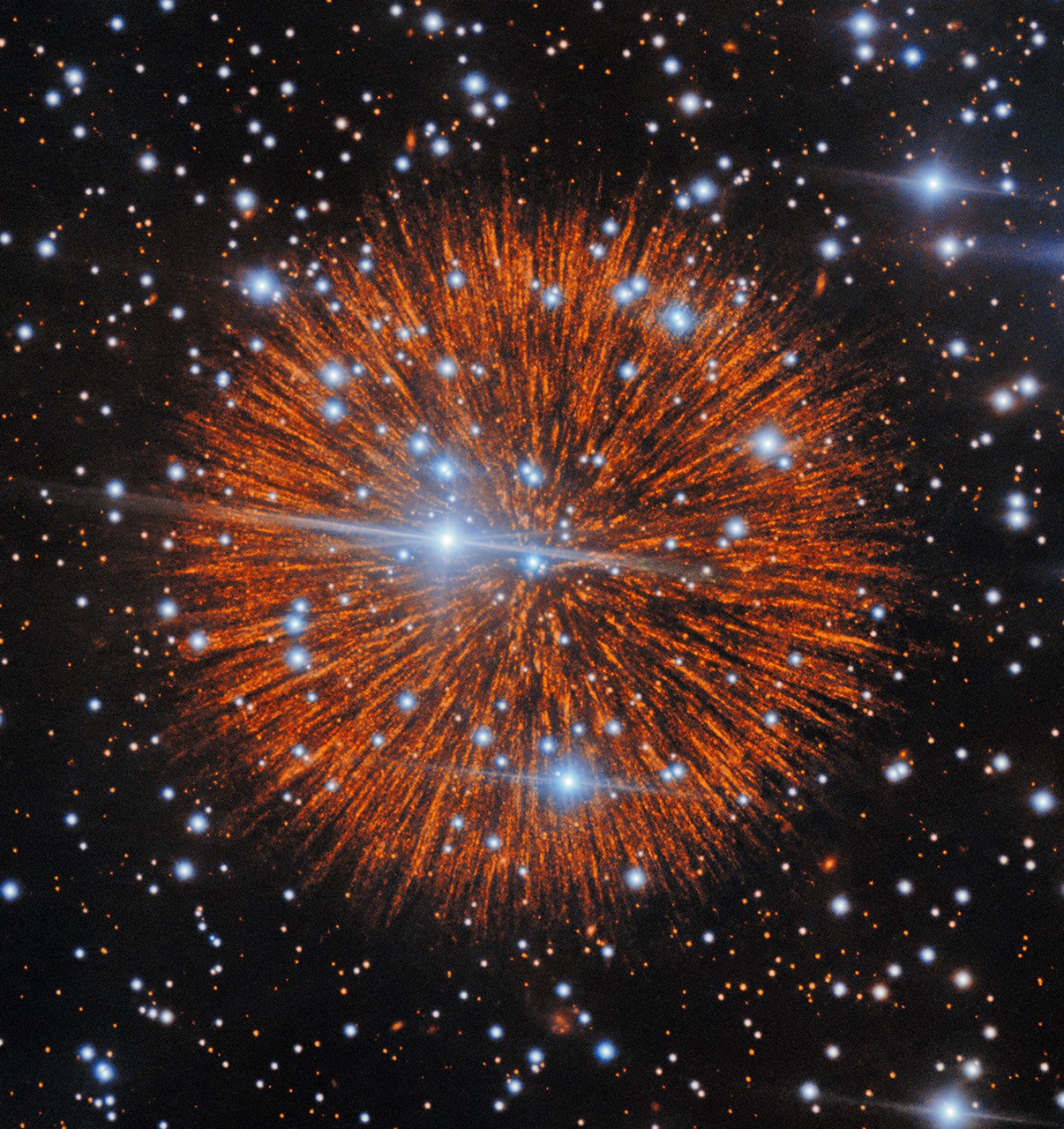
NASA's Astronomy Picture of the Day features supernova remnant Pa 30
The October 7 selection highlights the debris field left behind by a stellar explosion, cataloged as Pa 30.
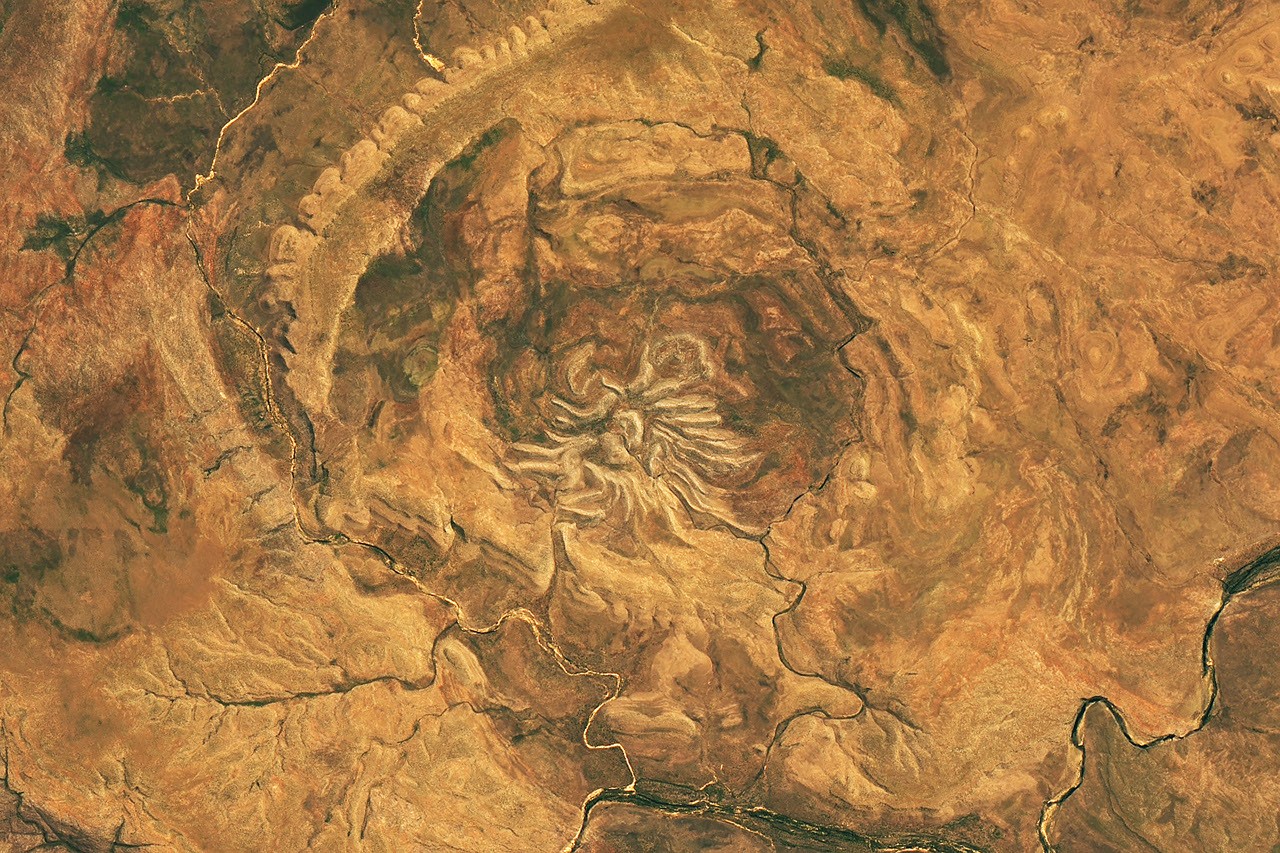
NASA Challenges Public to Identify Mystery Location in October Satellite Puzzler
NASA's Earth Observatory released its monthly satellite image challenge, inviting the public to guess the pictured location and why it matters.