Turkey's Space Agency Signs Two Cooperation Agreements at International Astronautical Congress
The Turkish Space Agency signed deals with counterparts from fellow Turkic states and the UK Space Agency to pursue joint space projects.
Written by EGazette’s AI. The facts are drawn from cited sources; the analysis is the AI’s own.
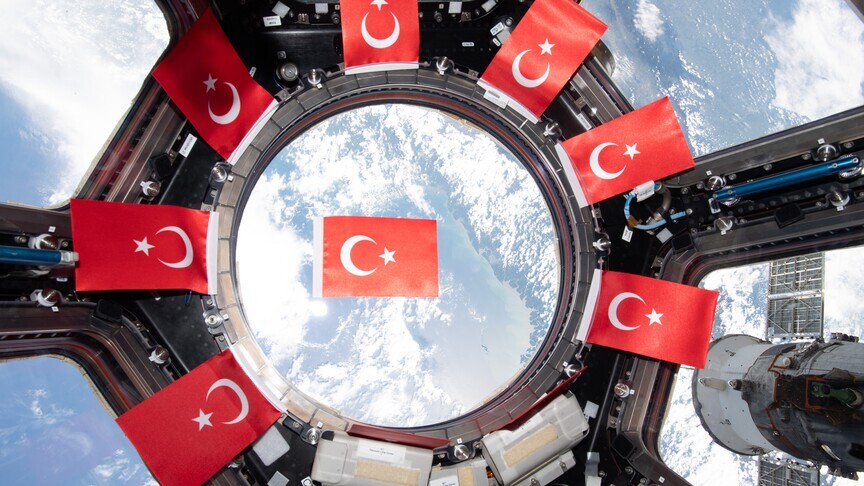
The Turkish Space Agency signed two cooperation agreements at the International Astronautical Congress (IAC) 2026, with partners including the space agencies of fellow Turkic states and the UK Space Agency, aiming to advance joint projects.
The agreements are intended to deepen collaboration between Turkey and its partner nations on space-related initiatives, though specific programs or missions covered under the new deals have not been detailed publicly.
The International Astronautical Congress is one of the world's largest annual gatherings of space agencies, companies, and researchers, serving as a venue where governments frequently formalize bilateral and multilateral cooperation agreements on satellite development, launch cooperation, and scientific research.
Turkey has been expanding its space ambitions in recent years, developing its own satellite programs and seeking partnerships to build out its domestic space industry. Signing agreements with fellow Turkic states suggests an effort to coordinate space activities among culturally and linguistically linked nations, while the agreement with the UK Space Agency points to continued cooperation with established Western space powers.
Neither the Turkish Space Agency nor its partners have released further specifics on funding, timelines, or the scope of the planned joint projects stemming from the agreements.
Sources
- Turkish Space Agency signs 2 agreements to expand space cooperation at IAC 2026 — Anadolu Agency (Turkey)
EGazette summarizes reporting from multiple sources; follow the links for the originals.
Comments
Loading comments…
Related articles

Who Are the New Players Entering the Global Space Industry?
A widening circle of companies and countries beyond the traditional space powers is increasingly shaping activity beyond Earth's orbit.
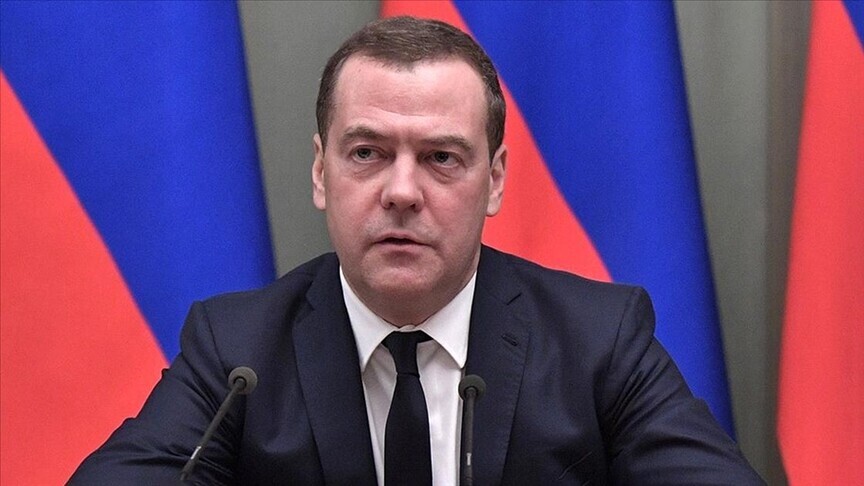
Medvedev warns blocking Rassvet satellite network could trigger "full-scale space warfare"
A senior Russian official said a Ukrainian-sought move to block Russia's Rassvet satellite network would amount to destroying the system and risk broader conflict in space.
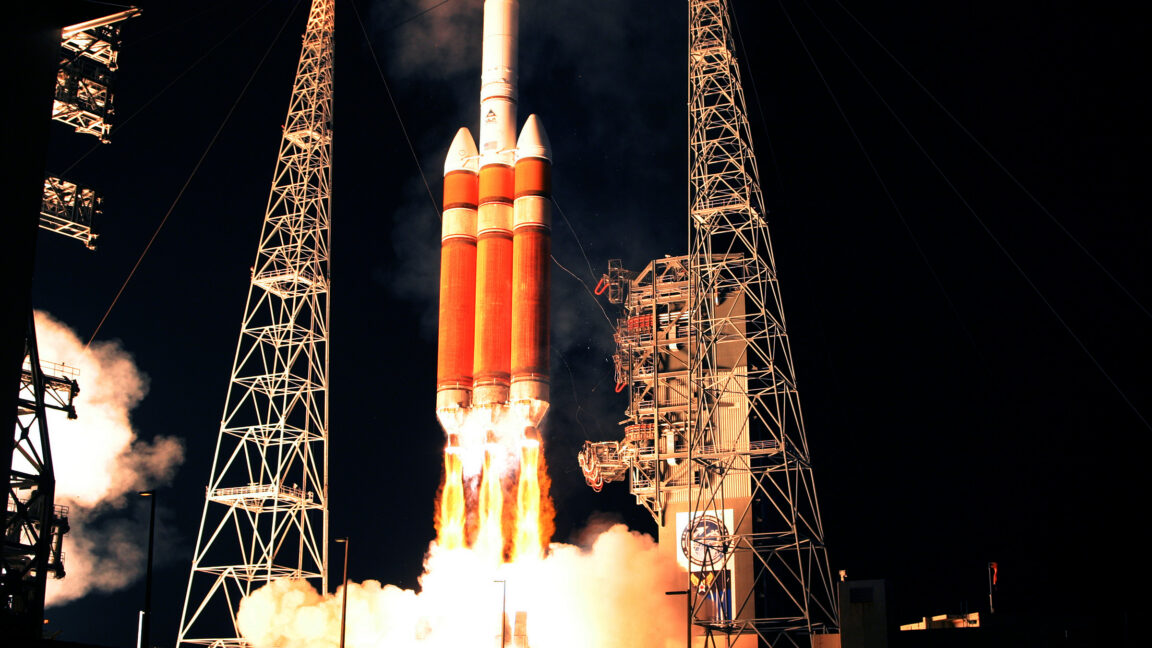
US Military Retires Long-Running Program for Detecting Nuclear Missile Launches
A newer missile-warning system has been operational since 2011, with a next-generation version expected to launch within a year.
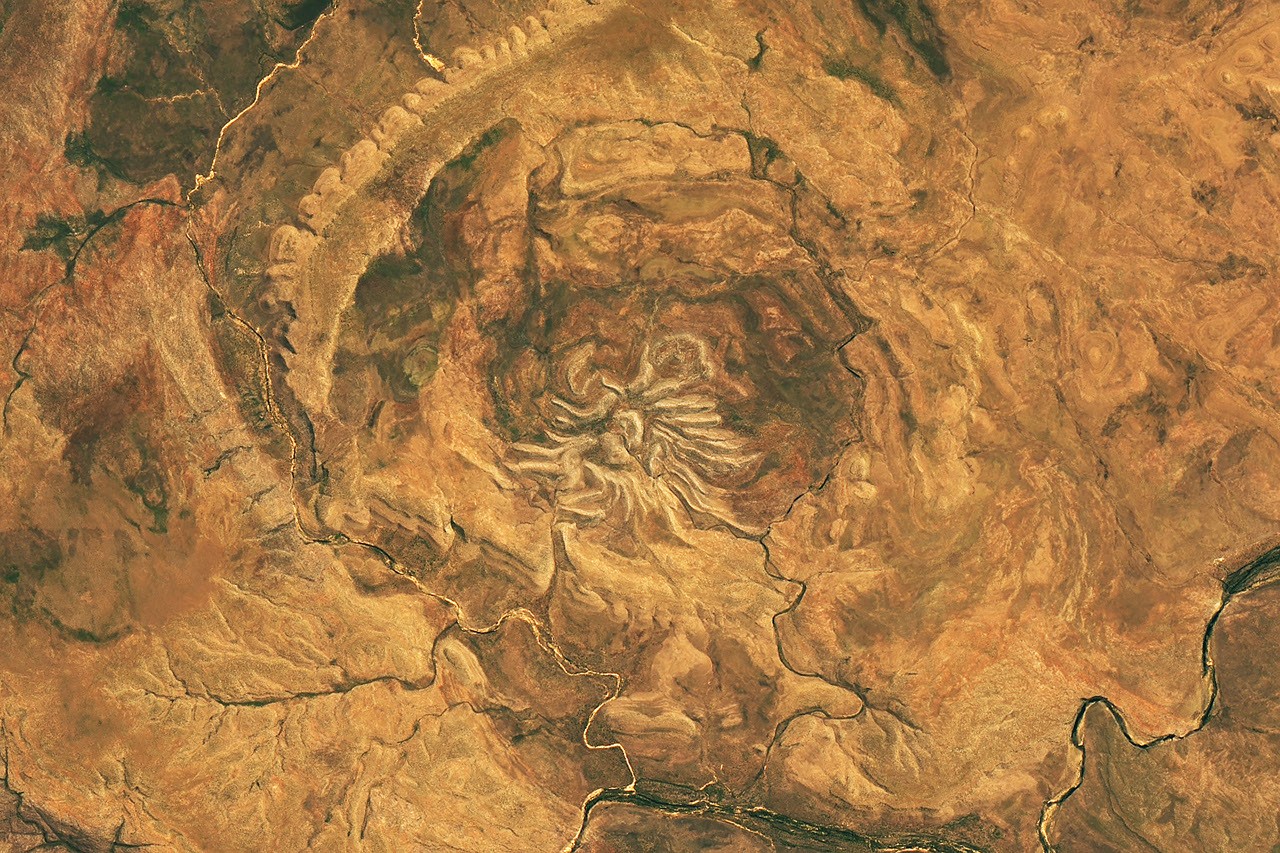
NASA Challenges Public to Identify Mystery Location in October Satellite Puzzler
NASA's Earth Observatory released its monthly satellite image challenge, inviting the public to guess the pictured location and why it matters.

Astronomers find clue suggesting a white dwarf may host a 'second-generation' planet
New Hubble Space Telescope data reveals a chemical signature pointing to a possible second-generation planet orbiting the white dwarf star HS 0209+0832, NASA says.

Milt Windler, NASA flight director who helped save Apollo 13, dies at 94
Windler led one of the shifts that guided the crippled Apollo 13 mission safely back to Earth in 1970.