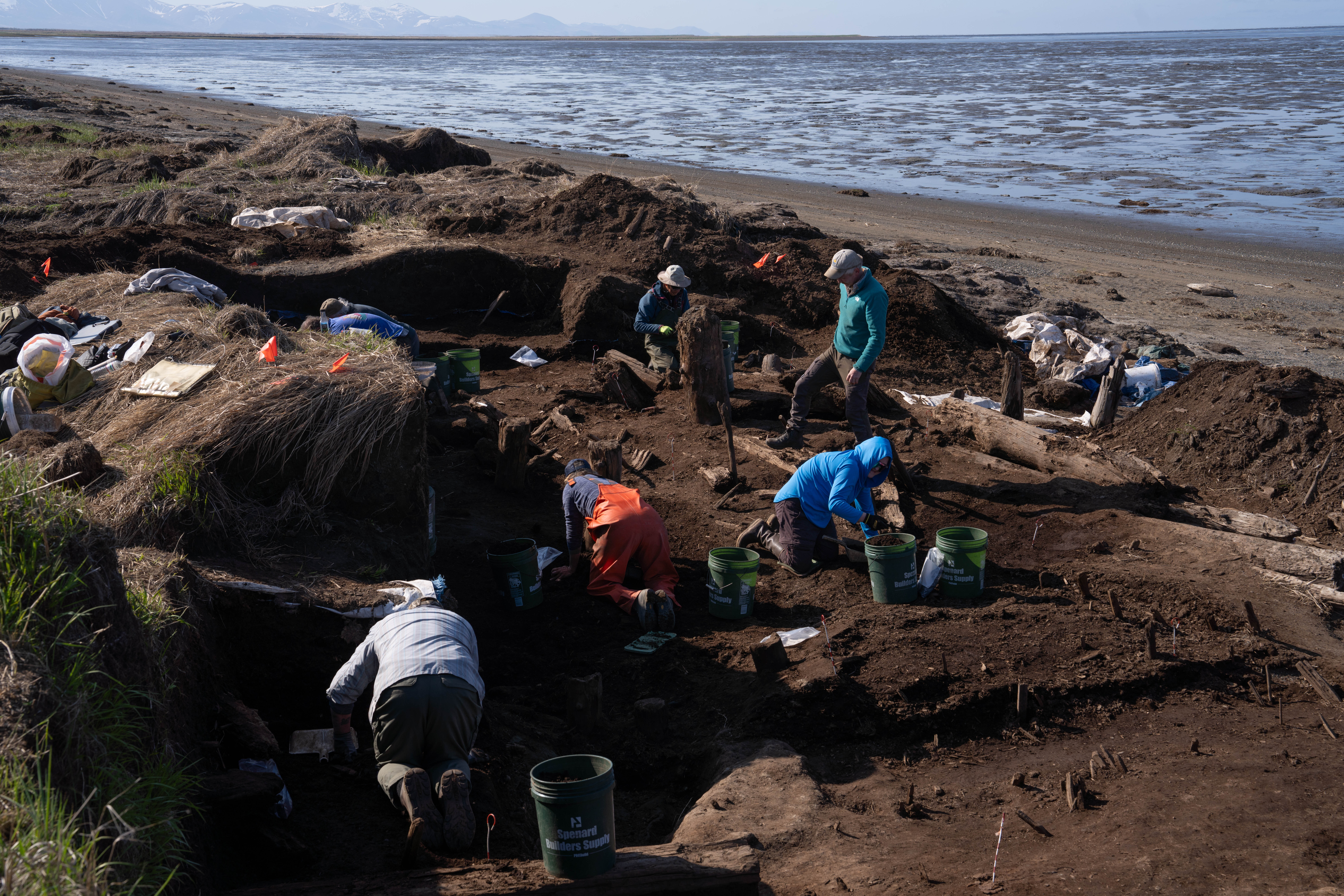
Alaska Storm Damages Archaeological Site; Researchers Race to Recover Artifacts
Typhoon remnants destroyed homes and an active dig site; archaeologists are working to salvage remaining artifacts before the next storm arrives.

Typhoon remnants destroyed homes and an active dig site; archaeologists are working to salvage remaining artifacts before the next storm arrives.

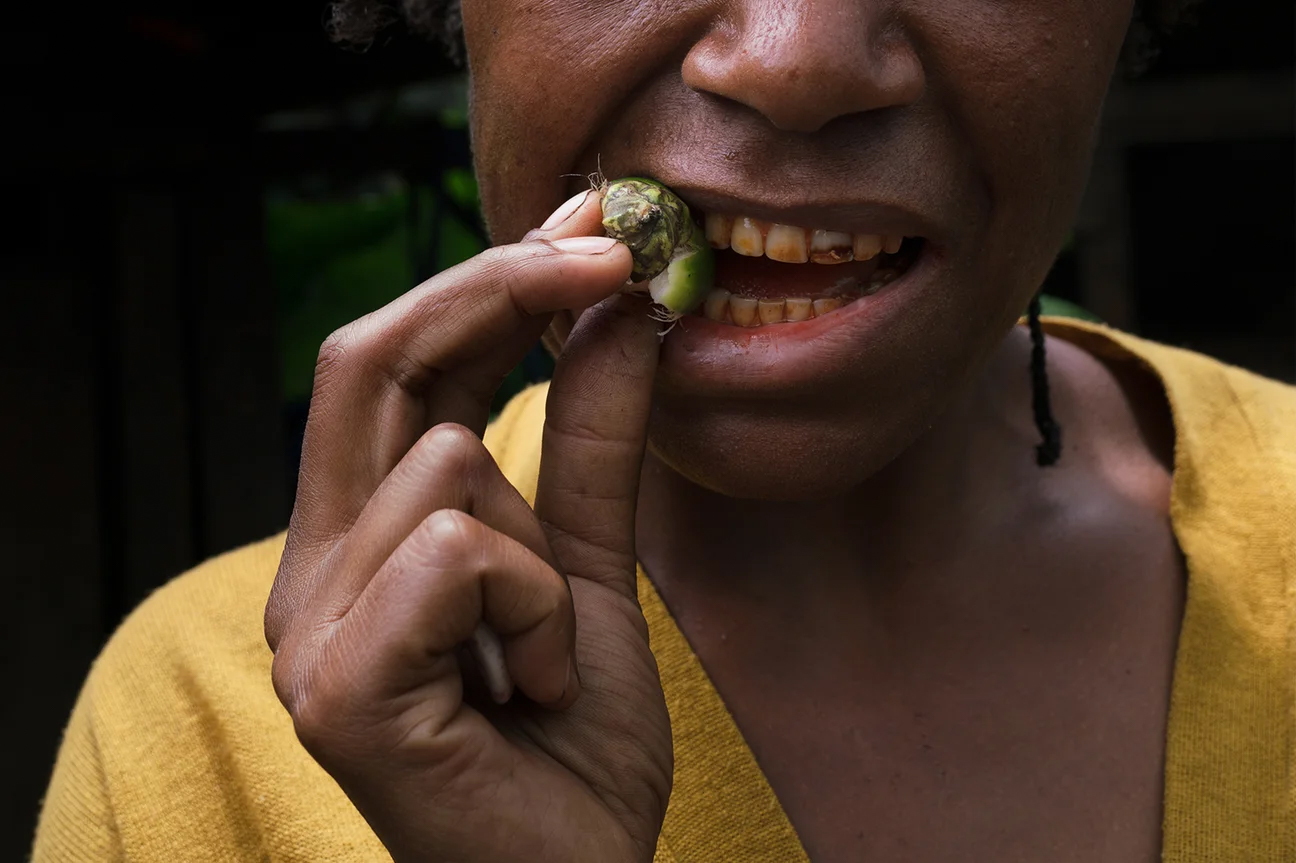
New research on ancient human remains points to habitual betel nut use, a mind-altering plant seed still popular across parts of Asia despite known health risks.

Findings from ancient human remains indicate that betel nuts, a widely used mind-altering substance in parts of Asia today, may have been consumed by people in the distant past.
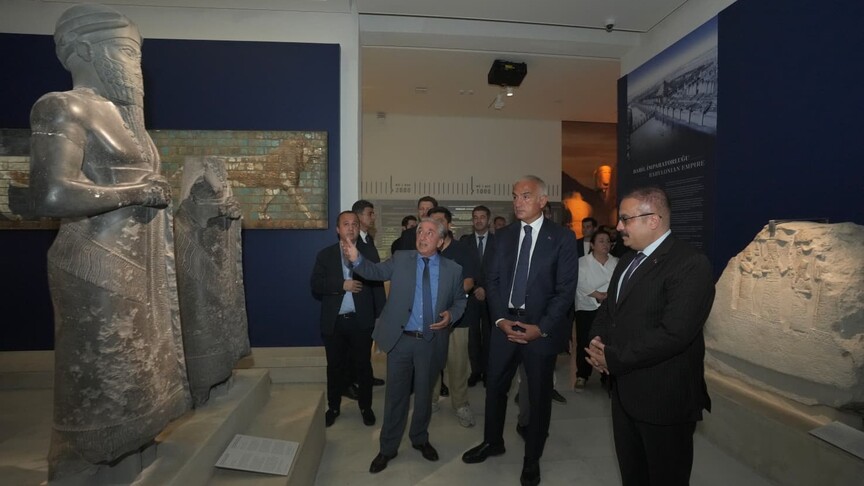
Renovation project included conservation plans for 54,000 tiles and new outdoor displays for nearly 180 artifacts, according to Anadolu Agency.

A small artifact has reportedly become the starting point for an academic exploration of one of South Asia's earliest civilizations

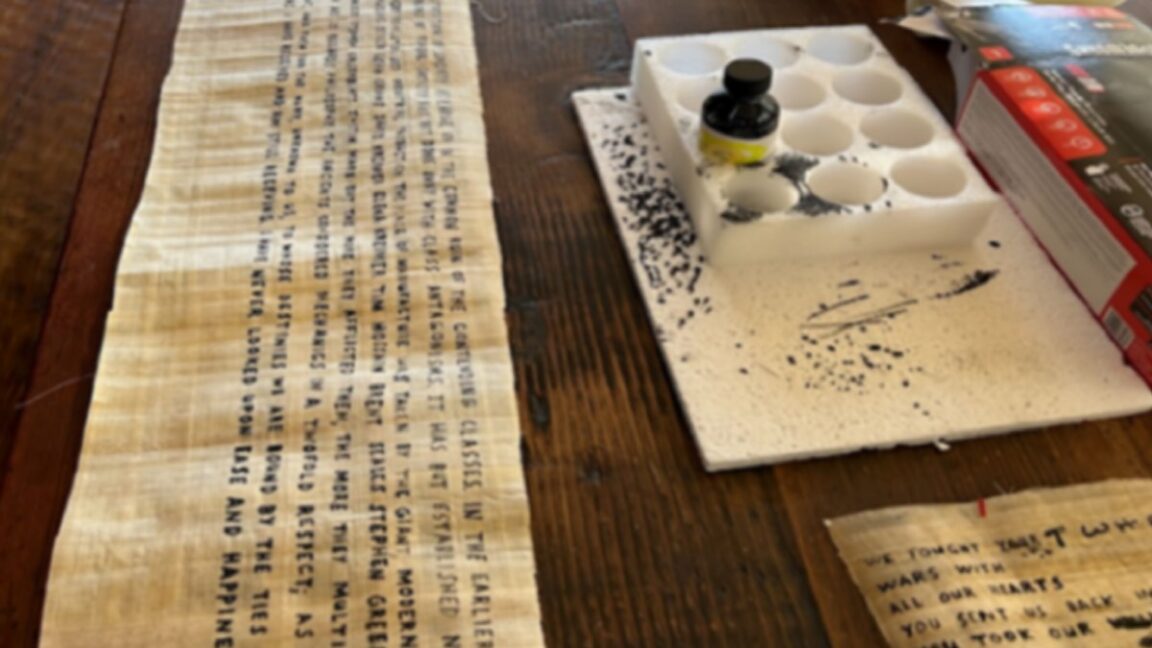
A new study reports that a portable X-ray fluorescence device can help identify which carbonized scrolls are most likely to yield readable text before more intensive imaging is attempted.
New research estimates approximately 2.22 million Indigenous people lived in Australia before the arrival of the British in 1788, according to a report by Anadolu Agency.

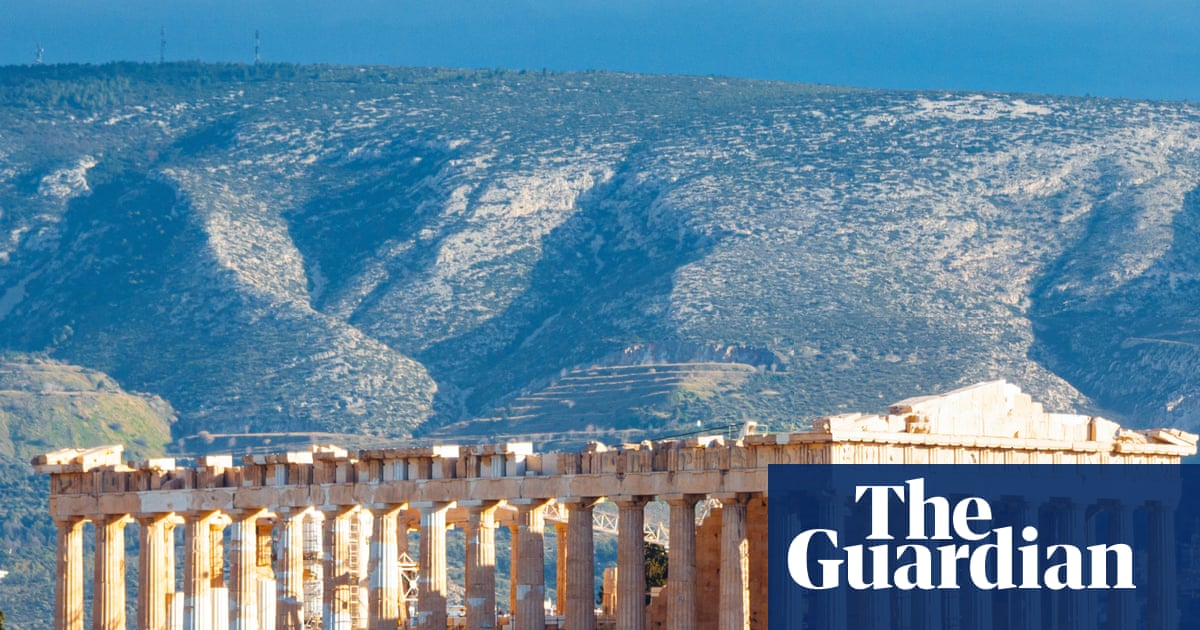
A new study questions the centuries-old belief that the ancient Greek temple's subtle curves were built to correct optical illusions.

A technique originally created by NASA to enhance satellite photographs has found a new application: revealing images from antiquity, according to NASA.

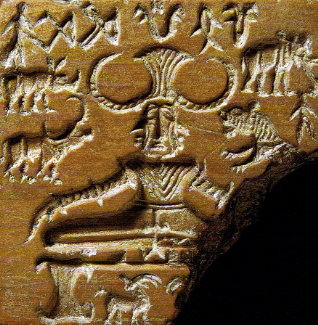
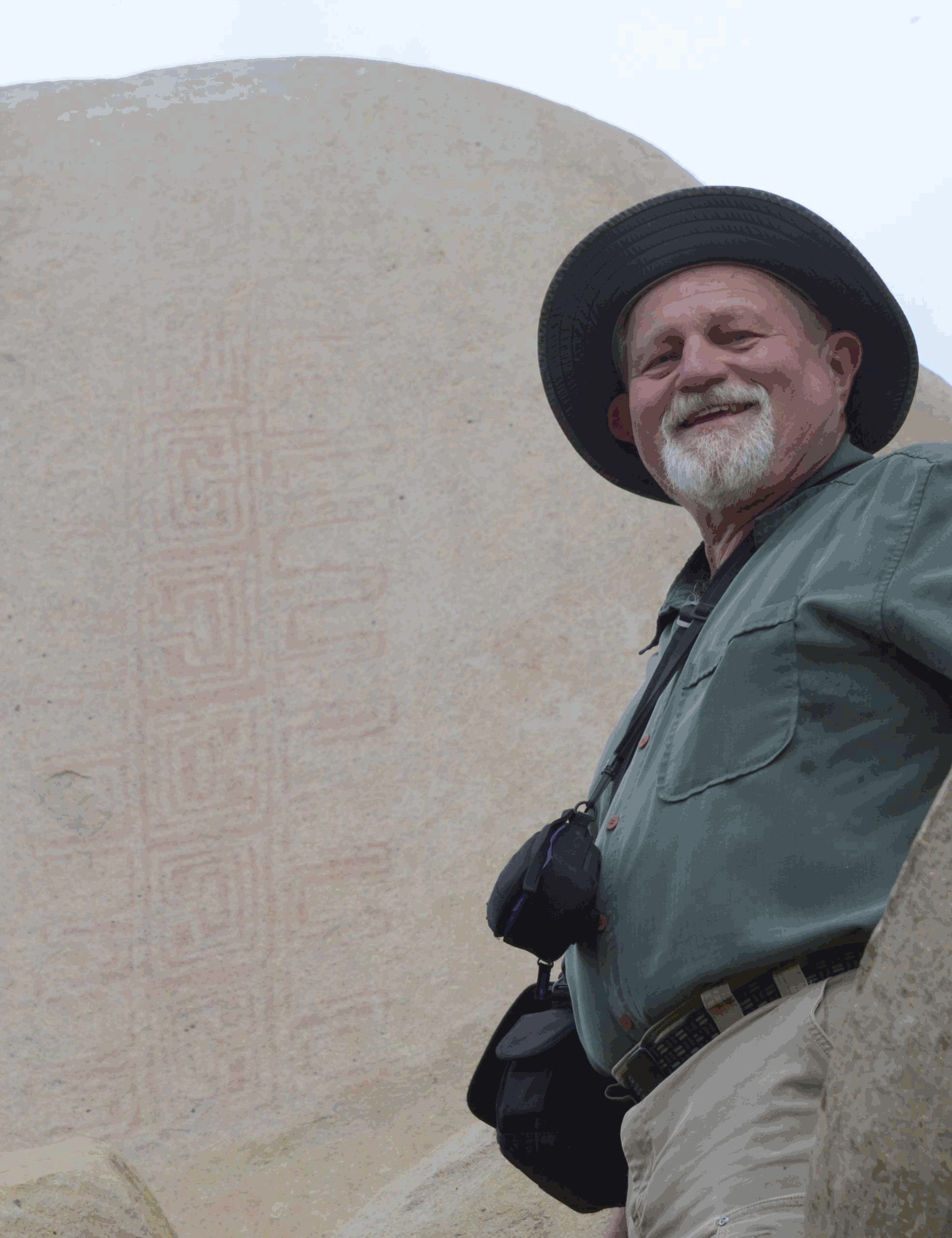
Book by Chinese scholar Zhou Yushu explores origins of ancient seal script symbols from Harappa and Mohenjo-daro.

A Scientific American article examines archaeological evidence indicating that concentrated power and inequality emerged only when resources could be monopolized, not as an automatic feature of early societies.

A 10-year-old discovered part of a whale skull along the shore in Islandmagee, prompting speculation about its age and origin, according to the BBC.

Researchers say ancient cave art points to the possibility that the first known humans in Ireland arrived on foot via a land bridge with Wales during the last Ice Age.

A nearly intact funerary platform linked to the pre-Incan Chimu kingdom has been discovered by archaeologists in Peru, according to Al Jazeera.

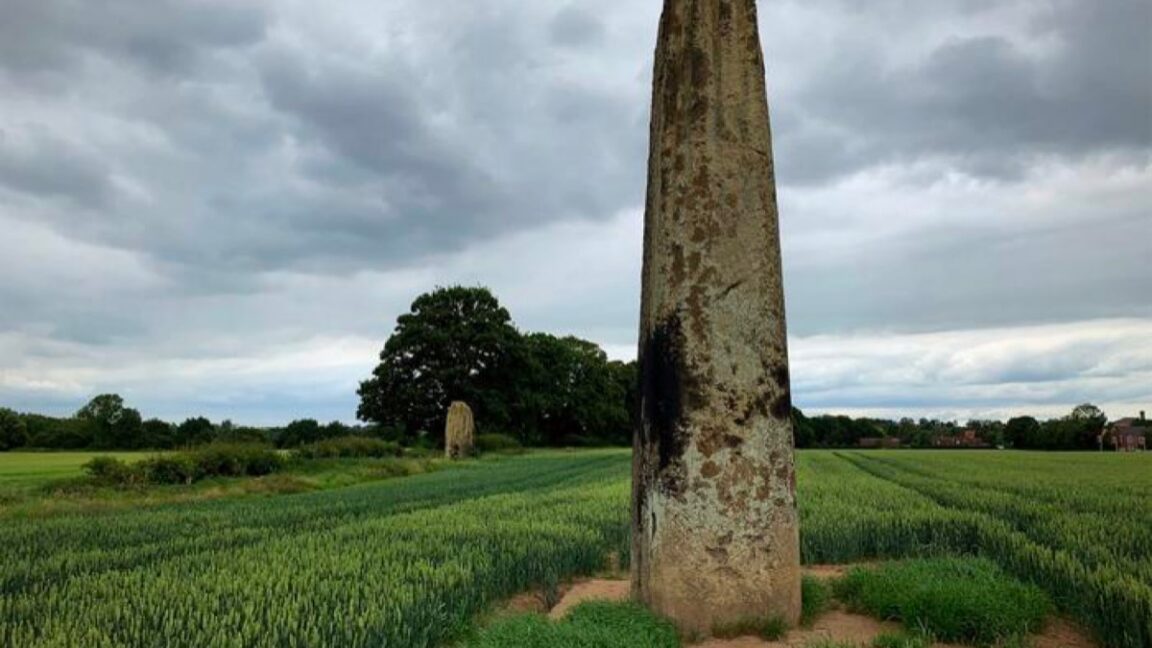
Isotopic analysis points to Brimham Rocks, not the closer Plumpton Rocks, as the source of the ancient standing stones in North Yorkshire.