Study Suggests Devil's Arrows Stones Hauled 11 Miles by Prehistoric Builders
Isotopic analysis points to Brimham Rocks, not the closer Plumpton Rocks, as the source of the ancient standing stones in North Yorkshire.
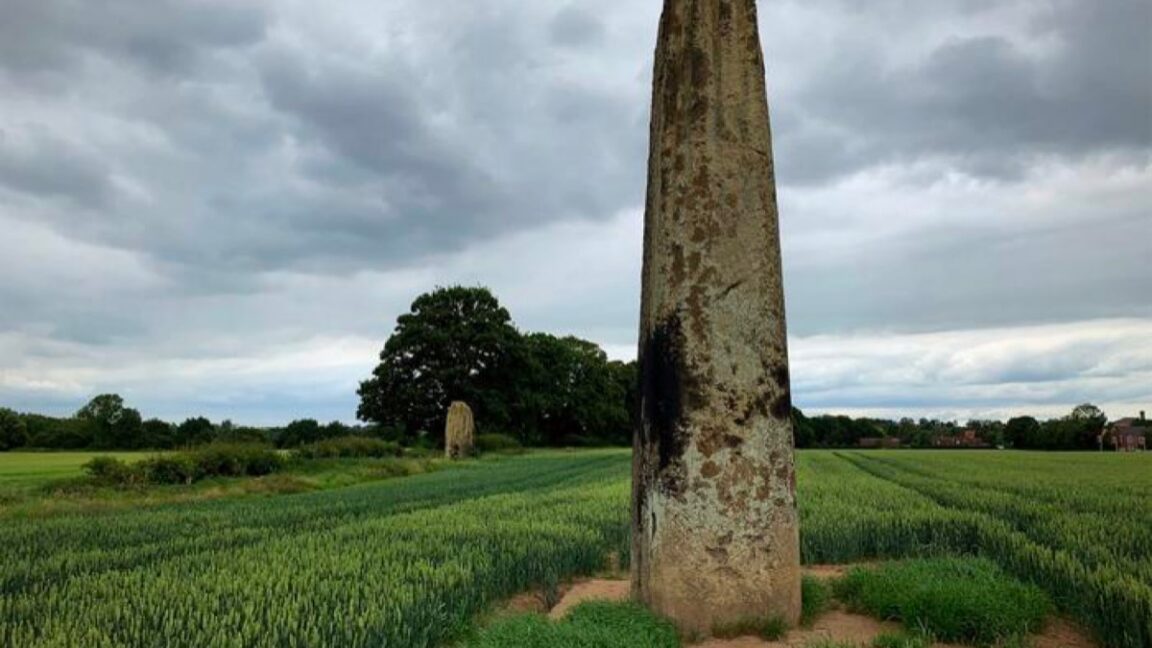
Researchers studying the Devil's Arrows, a group of prehistoric standing stones in North Yorkshire, England, have found evidence suggesting the massive stones were transported roughly 11 miles from their quarry site, according to a report by Ars Technica.
The findings, based on isotopic analysis of the stone material, indicate that Brimham Rocks is the most likely origin point for the monoliths, rather than Plumpton Rocks, a source located much closer to the site where the stones now stand, the report said.
The Devil's Arrows consist of a small number of large standing stones believed to date to the prehistoric era, though the exact period of their construction has long been a subject of study among archaeologists. The monument is one of several ancient stone arrangements in Britain that have drawn scholarly interest for the logistical challenges their construction would have posed to early builders.
If confirmed, the identification of Brimham Rocks as the source would mean prehistoric people moved the stones over a significantly greater distance than previously assumed based on proximity alone, according to the report. Transporting large stones over such distances without modern machinery has long been cited by researchers as evidence of considerable organizational capability and labor coordination among prehistoric communities.
The report did not detail the specific methodology used in the isotopic analysis or identify the researchers involved in the study. Further details on the study's publication and peer review status were not specified in the available report.
Sources
- Prehistoric builders transported Devil's Arrows 11 miles — Ars Technica
EGazette summarizes reporting from multiple sources; follow the links for the originals.
Related articles
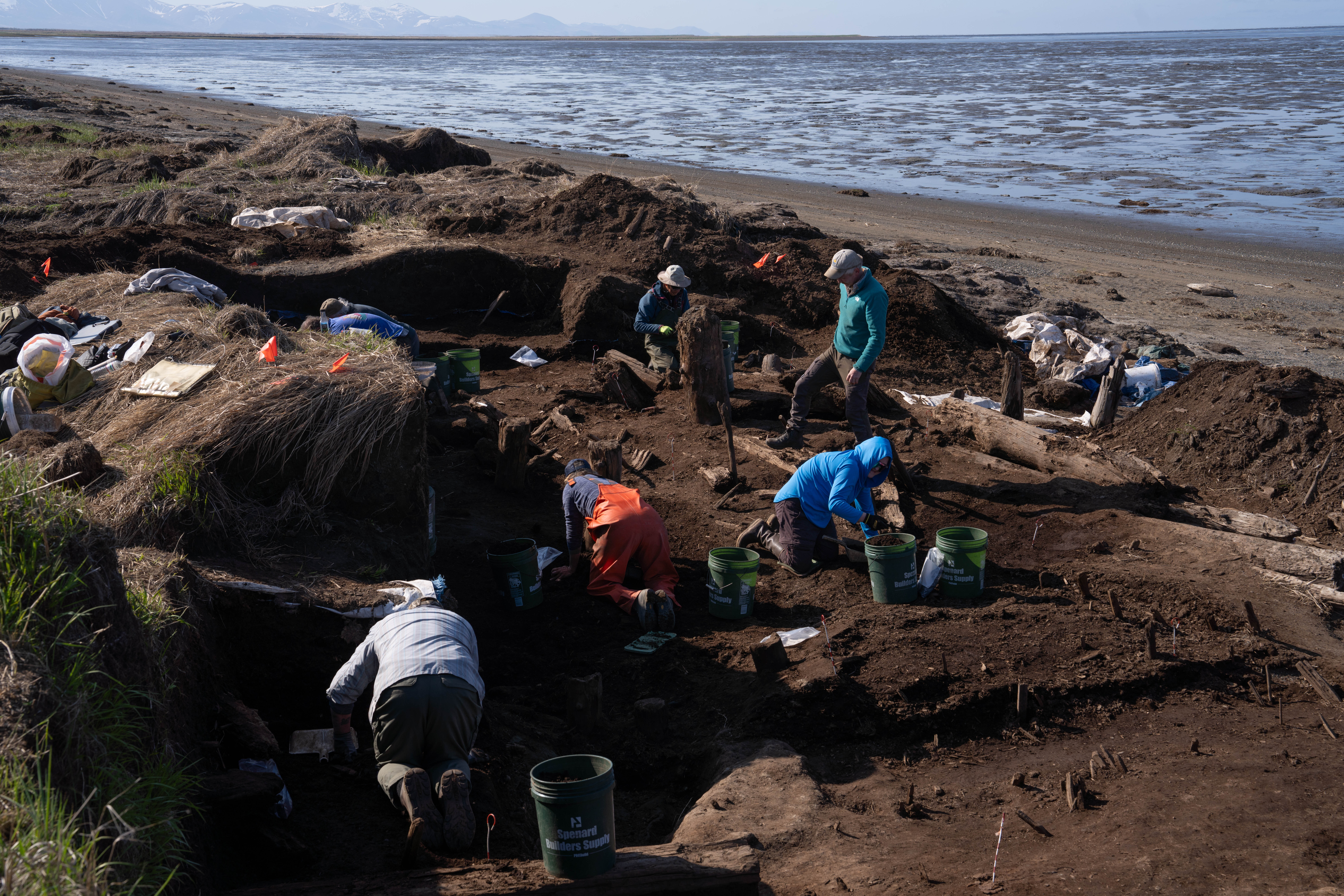
Alaska Storm Damages Archaeological Site; Researchers Race to Recover Artifacts
Typhoon remnants destroyed homes and an active dig site; archaeologists are working to salvage remaining artifacts before the next storm arrives.

Ancient Teeth Show Grooves Linked to Betel Nut Use, Study Finds
New research on ancient human remains points to habitual betel nut use, a mind-altering plant seed still popular across parts of Asia despite known health risks.
Ancient Teeth Point to Long History of Betel Nut Use, New Research Suggests
Findings from ancient human remains indicate that betel nuts, a widely used mind-altering substance in parts of Asia today, may have been consumed by people in the distant past.
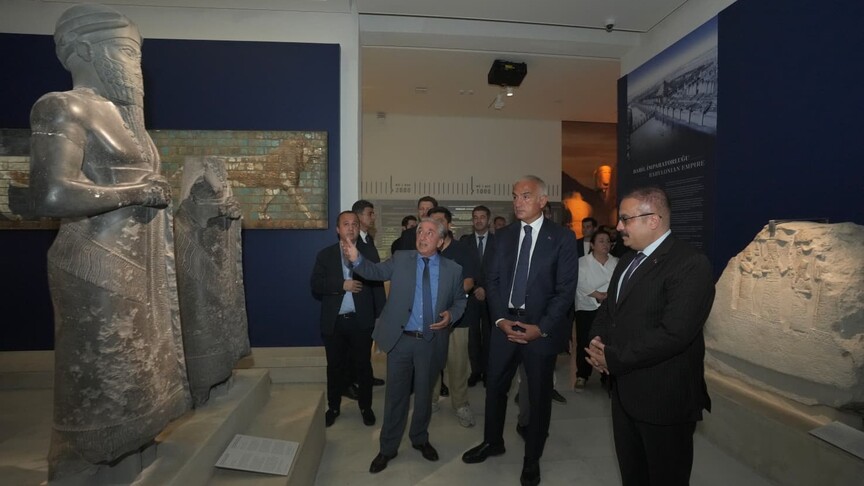
Istanbul Archaeological Museums Reopen After Extensive Restoration
Renovation project included conservation plans for 54,000 tiles and new outdoor displays for nearly 180 artifacts, according to Anadolu Agency.
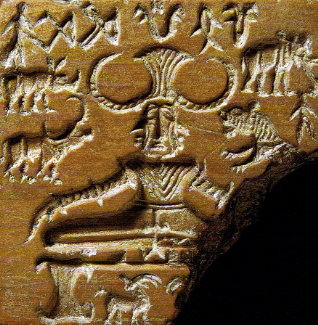
Chinese Scholar's Study of Ancient Seal Leads to Deeper Research Into Indus Valley History
A small artifact has reportedly become the starting point for an academic exploration of one of South Asia's earliest civilizations
Poison suspected in deaths of ten lions at Tanzania game reserve
The lions were discovered dead in the Ngorongoro Conservation Area, prompting wildlife officials to investigate.
Comments
Loading comments…