Ancient Teeth Show Grooves Linked to Betel Nut Use, Study Finds
New research on ancient human remains points to habitual betel nut use, a mind-altering plant seed still popular across parts of Asia despite known health risks.
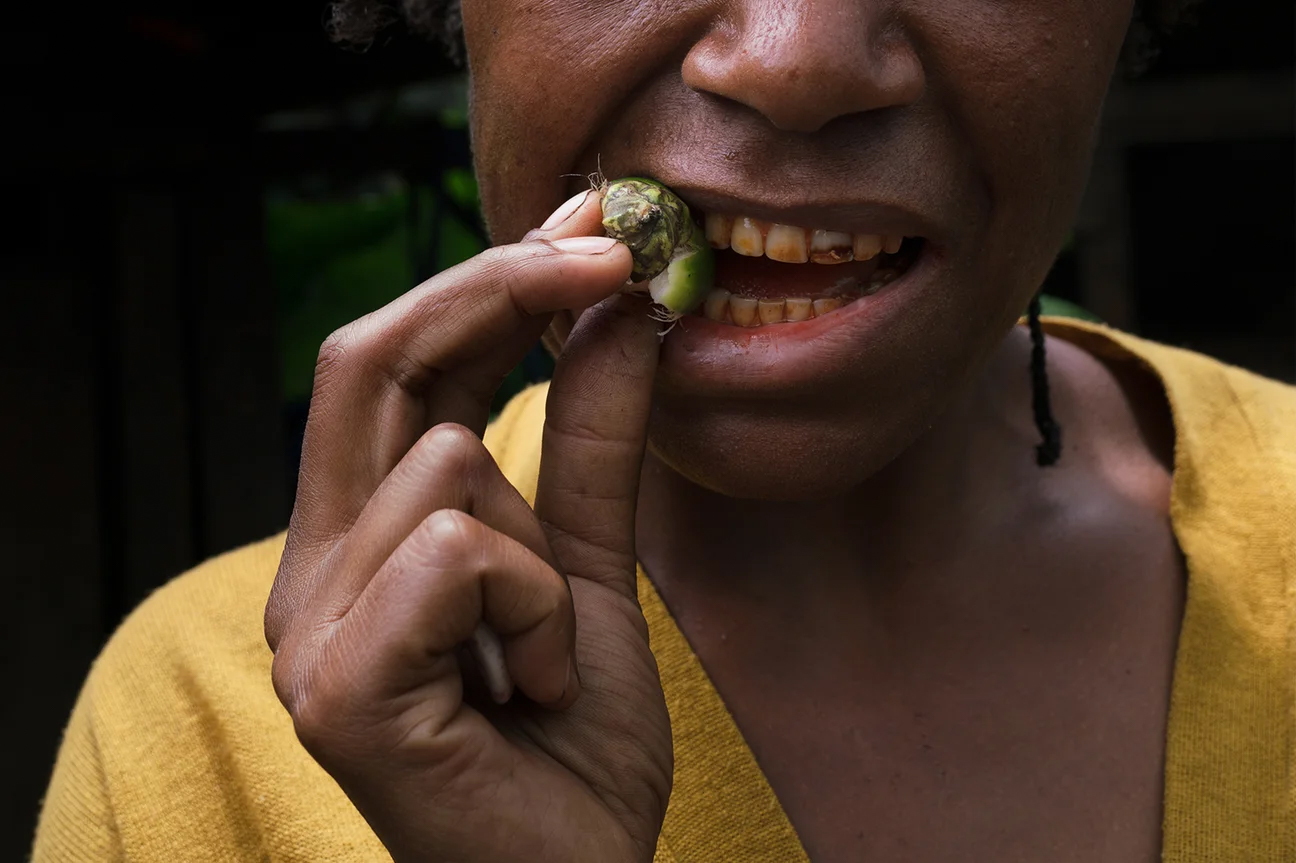
Researchers examining ancient human remains have identified unusual grooves in teeth that they say may be linked to the habitual use of betel nuts, according to a report by NPR News.
The findings, described in the report, suggest that the mysterious wear patterns found on the teeth could be evidence of long-term consumption of betel nuts, a plant seed known for its mind-altering properties.
Betel nuts remain widely used today in parts of Asia, where they are often chewed for their stimulant effects, NPR News reported. Health authorities have long warned about risks associated with the practice, including its links to oral health problems.
According to the report, the grooves discovered in the ancient teeth posed a puzzle for researchers before they connected the marks to patterns consistent with habitual betel nut chewing.
The research adds to a growing body of evidence on how ancient populations used psychoactive plants, offering insight into cultural practices that in some cases persist in modified form today, NPR News noted.
NPR News did not specify the exact origin, age, or location of the remains examined in the study, nor did it name the researchers or institutions involved in the findings as detailed in the available report.
Sources
EGazette summarizes reporting from multiple sources; follow the links for the originals.
Related articles
Ancient Teeth Point to Long History of Betel Nut Use, New Research Suggests
Findings from ancient human remains indicate that betel nuts, a widely used mind-altering substance in parts of Asia today, may have been consumed by people in the distant past.
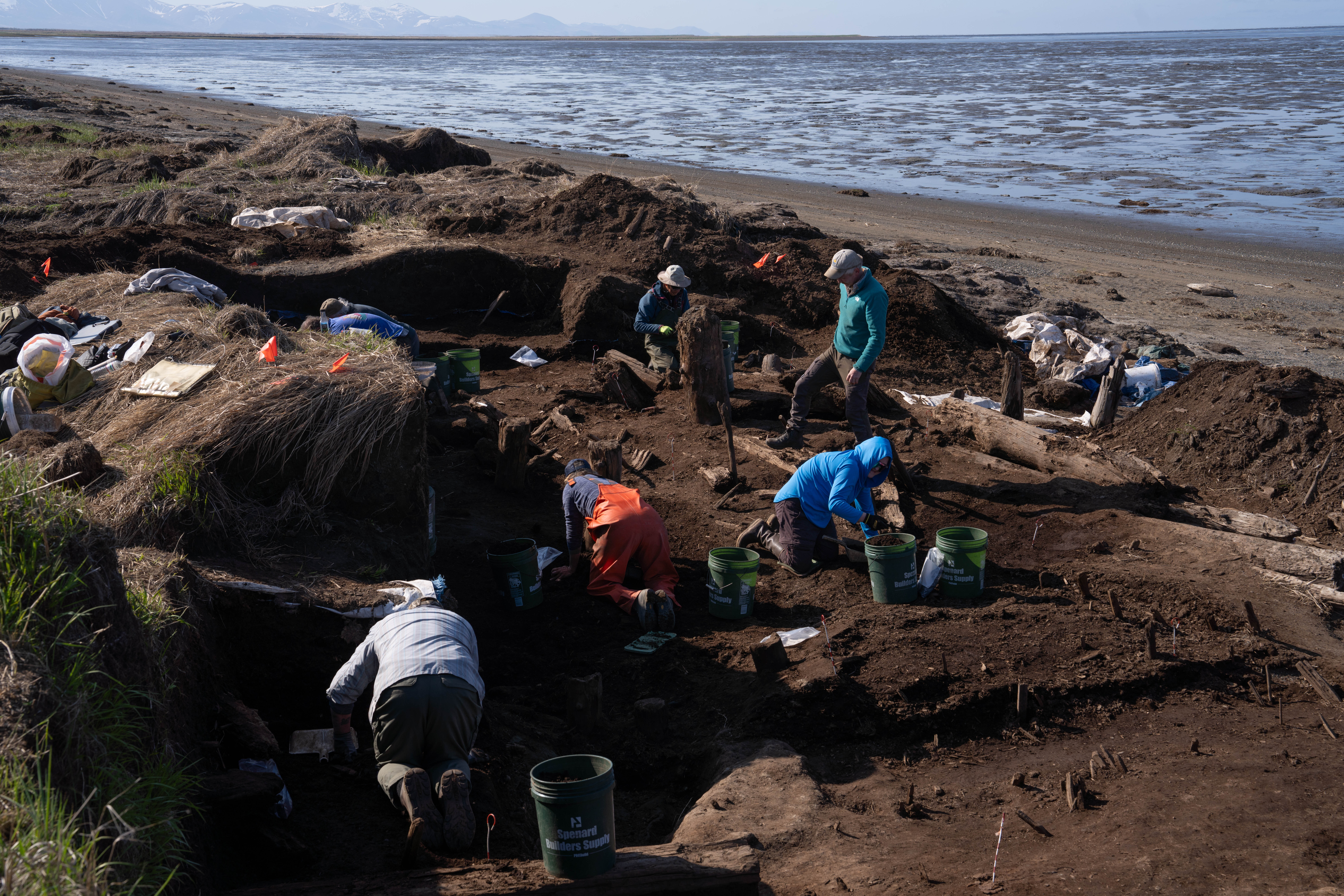
Alaska Storm Damages Archaeological Site; Researchers Race to Recover Artifacts
Typhoon remnants destroyed homes and an active dig site; archaeologists are working to salvage remaining artifacts before the next storm arrives.
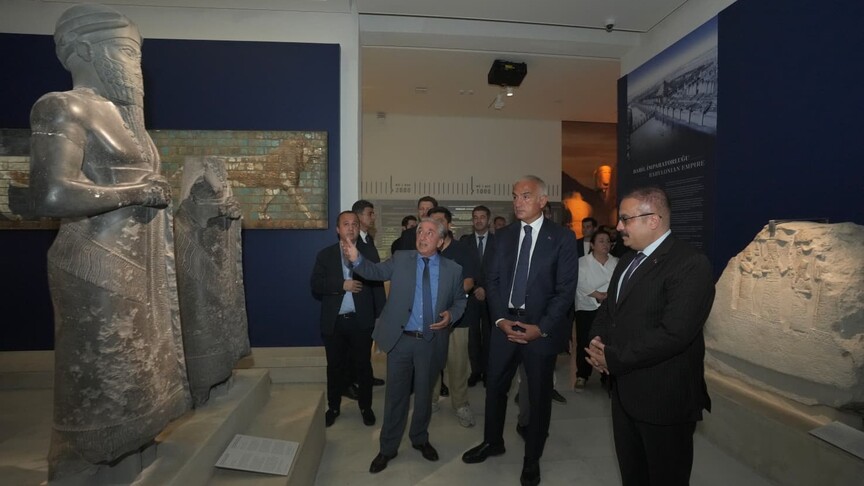
Istanbul Archaeological Museums Reopen After Extensive Restoration
Renovation project included conservation plans for 54,000 tiles and new outdoor displays for nearly 180 artifacts, according to Anadolu Agency.
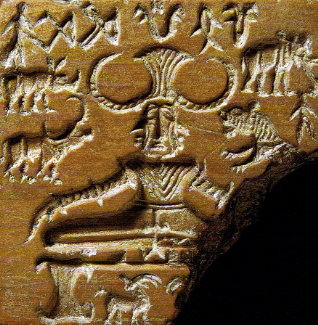
Chinese Scholar's Study of Ancient Seal Leads to Deeper Research Into Indus Valley History
A small artifact has reportedly become the starting point for an academic exploration of one of South Asia's earliest civilizations
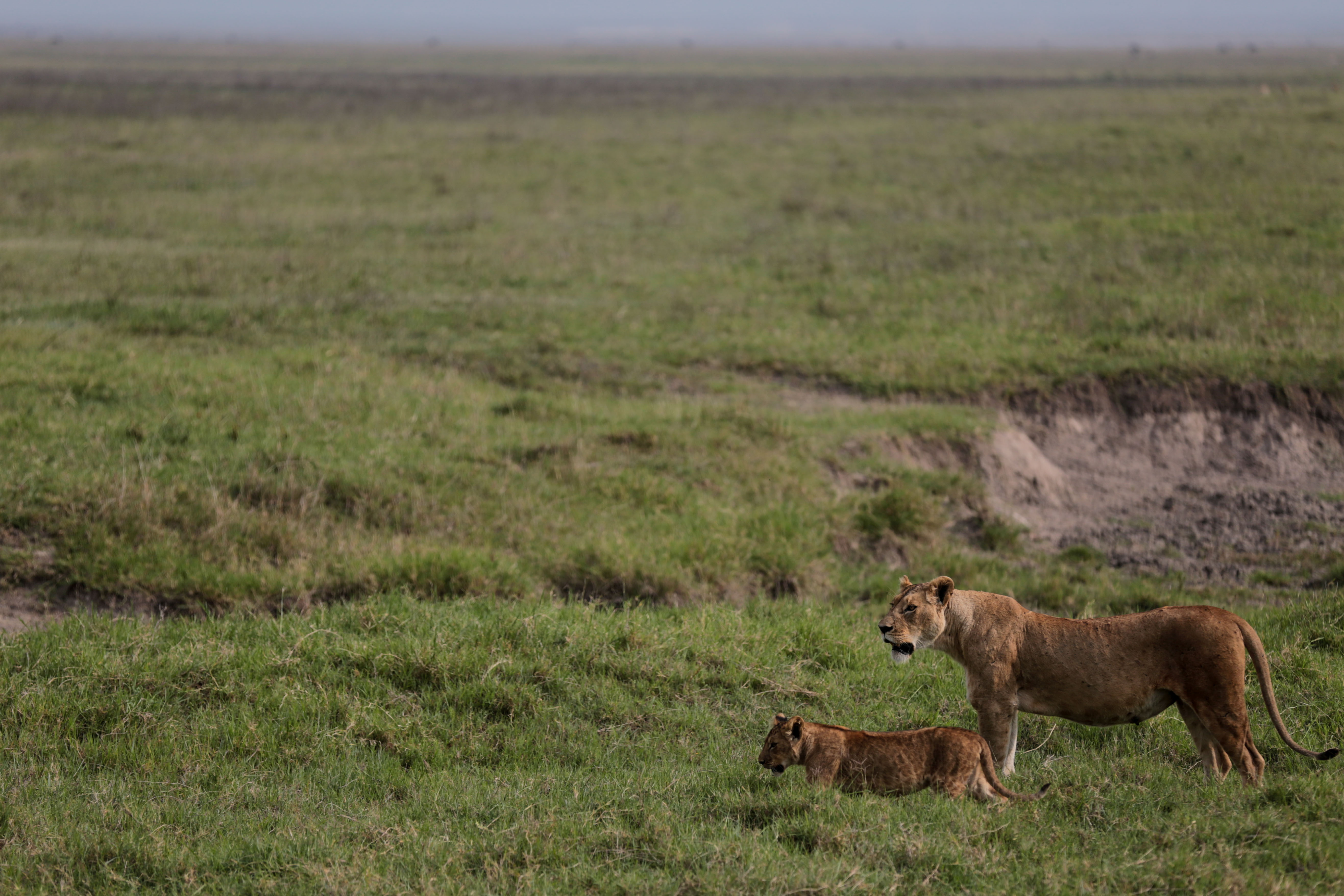
Poison suspected in deaths of ten lions at Tanzania game reserve
The lions were discovered dead in the Ngorongoro Conservation Area, prompting wildlife officials to investigate.

European Space Agency Launches Two Satellites to Monitor Climate Change
The new satellites will help scientists study the effects of climate change, with one instrument dedicated to observing plant life
Comments
Loading comments…