Archaeology Suggests Autocracy Was Not Inevitable in Early Civilizations, Report Says
A Scientific American article examines archaeological evidence indicating that concentrated power and inequality emerged only when resources could be monopolized, not as an automatic feature of early societies.

A report published by Scientific American examines what archaeological evidence reveals about the origins of powerful rulers and centralized authority in early human societies.
According to the article, autocracy was not an inevitable outcome as civilizations developed. Instead, the emergence of strongmen and pronounced social inequalities was linked to specific conditions, particularly the presence of resources that could be monopolized by a small group.
The publication states that when such riches existed and could be controlled, some individuals or groups were able to consolidate power, leading to hierarchical structures and unequal societies. The article frames this as evidence that concentrated rule was a contingent development rather than a universal or automatic stage in the evolution of human civilization.
Scientific American did not specify in the excerpt which particular archaeological sites, cultures, or time periods were analyzed to reach these conclusions. The full findings and supporting evidence are detailed in the original article.
Sources
- What archaeology reveals about the rise of all-powerful rulers — Scientific American
EGazette summarizes reporting from multiple sources; follow the links for the originals.
Related articles
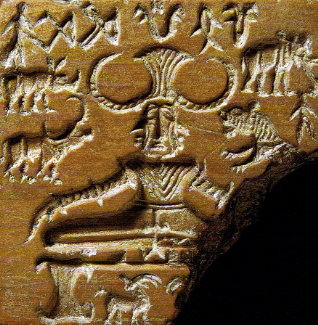
Chinese Scholar's Study of Ancient Seal Leads to Deeper Research Into Indus Valley History
A small artifact has reportedly become the starting point for an academic exploration of one of South Asia's earliest civilizations
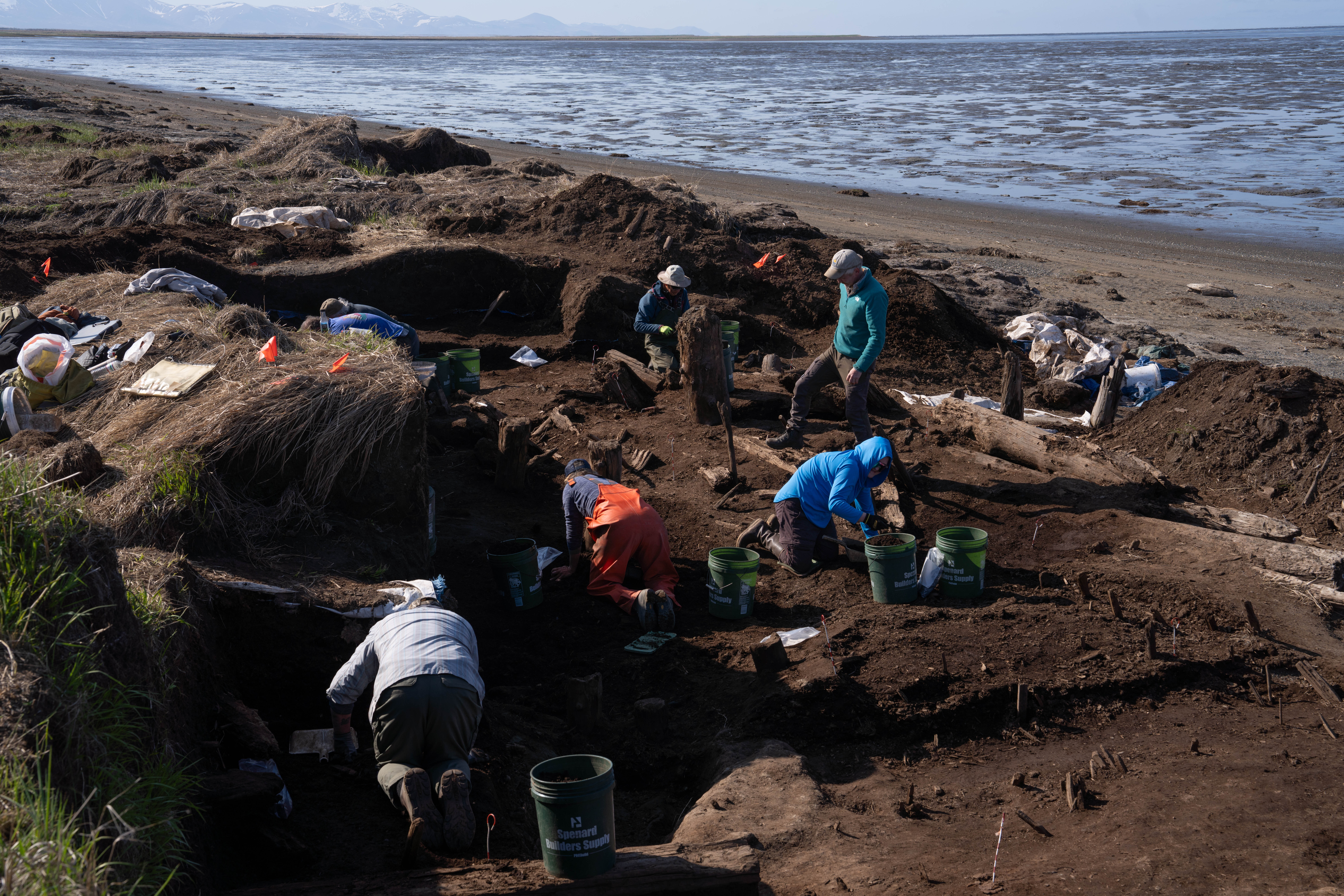
Alaska Storm Damages Archaeological Site; Researchers Race to Recover Artifacts
Typhoon remnants destroyed homes and an active dig site; archaeologists are working to salvage remaining artifacts before the next storm arrives.

Ancient Teeth Show Grooves Linked to Betel Nut Use, Study Finds
New research on ancient human remains points to habitual betel nut use, a mind-altering plant seed still popular across parts of Asia despite known health risks.
Ancient Teeth Point to Long History of Betel Nut Use, New Research Suggests
Findings from ancient human remains indicate that betel nuts, a widely used mind-altering substance in parts of Asia today, may have been consumed by people in the distant past.
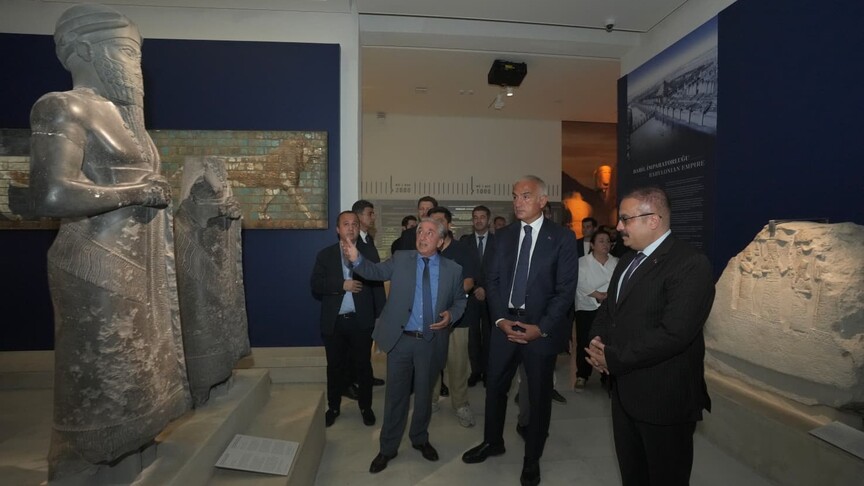
Istanbul Archaeological Museums Reopen After Extensive Restoration
Renovation project included conservation plans for 54,000 tiles and new outdoor displays for nearly 180 artifacts, according to Anadolu Agency.

Economists Urge World Leaders to Back New Panel on Inequality
More than 1,500 academics from over 100 countries sign open letter ahead of UN General Assembly, arguing extreme wealth gaps result from policy choices that can be reversed
Comments
Loading comments…