Researchers Test Handheld Scanner to Screen Ancient Scrolls for Analysis
A new study reports that a portable X-ray fluorescence device can help identify which carbonized scrolls are most likely to yield readable text before more intensive imaging is attempted.
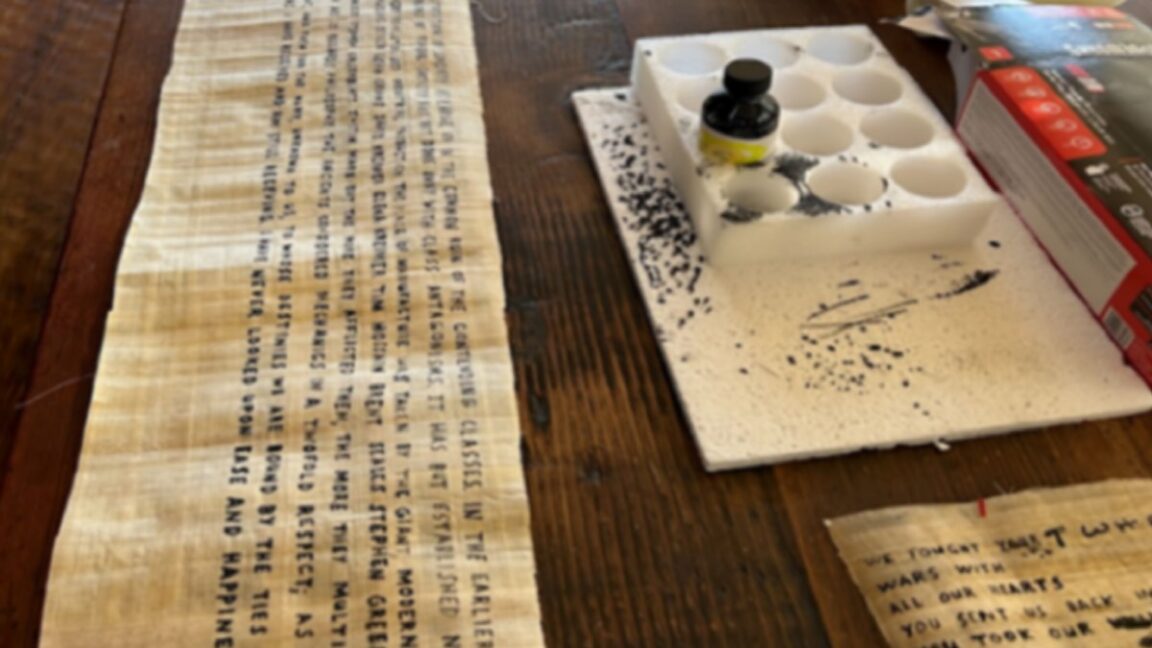
Scientists have developed a new method for evaluating ancient, carbonized scrolls that could help prioritize which artifacts are worth subjecting to more extensive and costly imaging techniques, according to a report by Ars Technica.
The scrolls in question originate from Herculaneum, a Roman town buried and carbonized by the eruption of Mount Vesuvius in 79 AD. Because the scrolls are extremely fragile and their surfaces are blackened, researchers have spent years developing non-invasive techniques, including X-ray-based imaging and computational "virtual unwrapping," to recover text without physically opening the brittle artifacts.
According to the report, researchers built their own model scrolls to test and refine an approach that relies on a handheld X-ray fluorescence (XRF) scanner. The device measures the elemental composition of the ink and surrounding material, which can indicate whether text is present and potentially legible.
The report states that the researchers found the handheld scanner sufficient to determine which scrolls are the most promising candidates for further, more detailed analysis. This screening step could help teams working with collections of Herculaneum scrolls focus limited time and resources on the artifacts most likely to yield readable content.
Ars Technica did not specify further details of the study's methodology or findings beyond describing the use of the model scrolls and the handheld XRF scanning approach.
Sources
EGazette summarizes reporting from multiple sources; follow the links for the originals.
Related articles
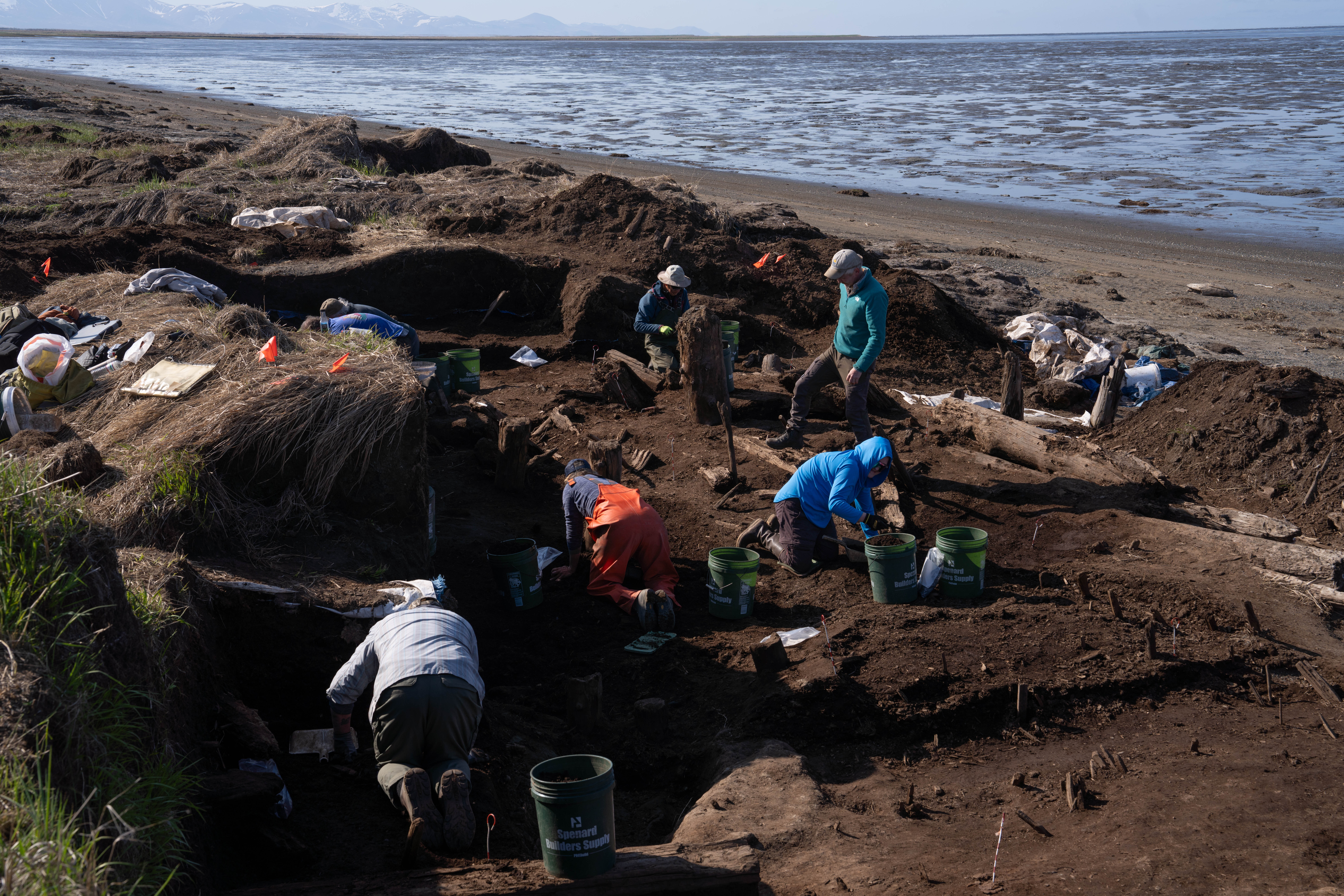
Alaska Storm Damages Archaeological Site; Researchers Race to Recover Artifacts
Typhoon remnants destroyed homes and an active dig site; archaeologists are working to salvage remaining artifacts before the next storm arrives.

Ancient Teeth Show Grooves Linked to Betel Nut Use, Study Finds
New research on ancient human remains points to habitual betel nut use, a mind-altering plant seed still popular across parts of Asia despite known health risks.
Ancient Teeth Point to Long History of Betel Nut Use, New Research Suggests
Findings from ancient human remains indicate that betel nuts, a widely used mind-altering substance in parts of Asia today, may have been consumed by people in the distant past.
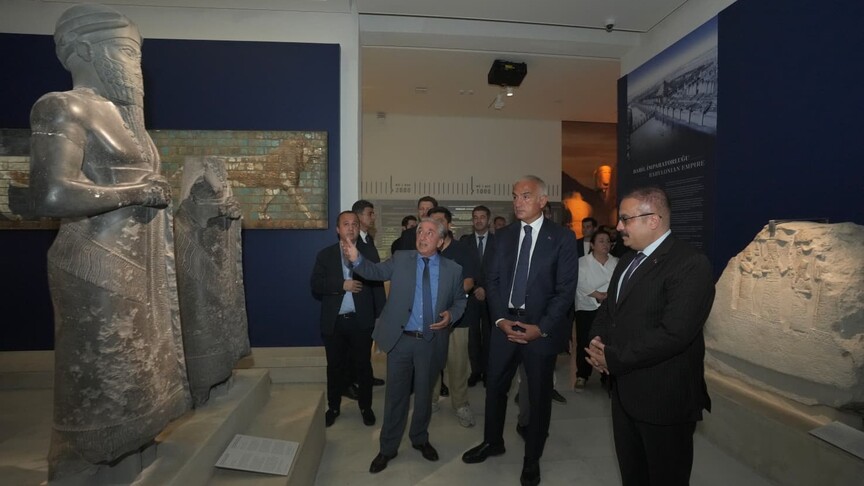
Istanbul Archaeological Museums Reopen After Extensive Restoration
Renovation project included conservation plans for 54,000 tiles and new outdoor displays for nearly 180 artifacts, according to Anadolu Agency.
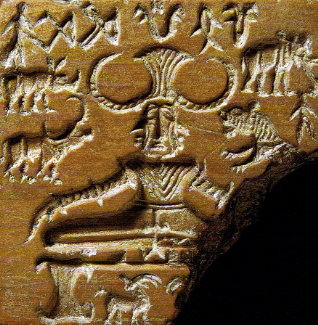
Chinese Scholar's Study of Ancient Seal Leads to Deeper Research Into Indus Valley History
A small artifact has reportedly become the starting point for an academic exploration of one of South Asia's earliest civilizations

Poison suspected in deaths of ten lions at Tanzania game reserve
The lions were discovered dead in the Ngorongoro Conservation Area, prompting wildlife officials to investigate.
Comments
Loading comments…