NASA's Curiosity rover captures sunrise over Mars's wind-carved cliffs
The Curiosity rover photographed dawn light illuminating yardang ridges on Mars, part of ongoing efforts to understand how these wind-sculpted formations developed.
Written by EGazette’s AI. The facts are drawn from cited sources; the analysis is the AI’s own.

NASA's Curiosity Mars rover has captured a panoramic image of sunrise illuminating distant, wind-carved rock formations known as yardangs, taken on August 11, 2026, the 4,982nd Martian day, or sol, of the rover's mission.
The image shows dawn light falling across the ridged terrain, highlighting the distinctive shapes of the yardangs in the distance. A close-up crop of the panorama further zooms in on these distant features, according to NASA's description of the photograph.
Scientists involved with the mission say they are eager to learn more about how the yardang layer formed, as the formations offer clues about long-term wind erosion processes on the Martian surface.
Yardangs are streamlined ridges carved by windblown sand and dust over long periods, and their presence on Mars provides scientists with information about the planet's climate history and surface processes.
Curiosity has been exploring Mars since 2014, studying the planet's geology and environmental history as part of NASA's ongoing robotic exploration program. The rover continues to send back images and data that help researchers piece together how Mars's landscape has evolved over billions of years.
Sources
- NASA’s Curiosity Captures Dawn Breaking on Wind-Carved Cliffs — NASA Breaking News
EGazette summarizes reporting from multiple sources; follow the links for the originals.
Comments
Loading comments…
Related articles
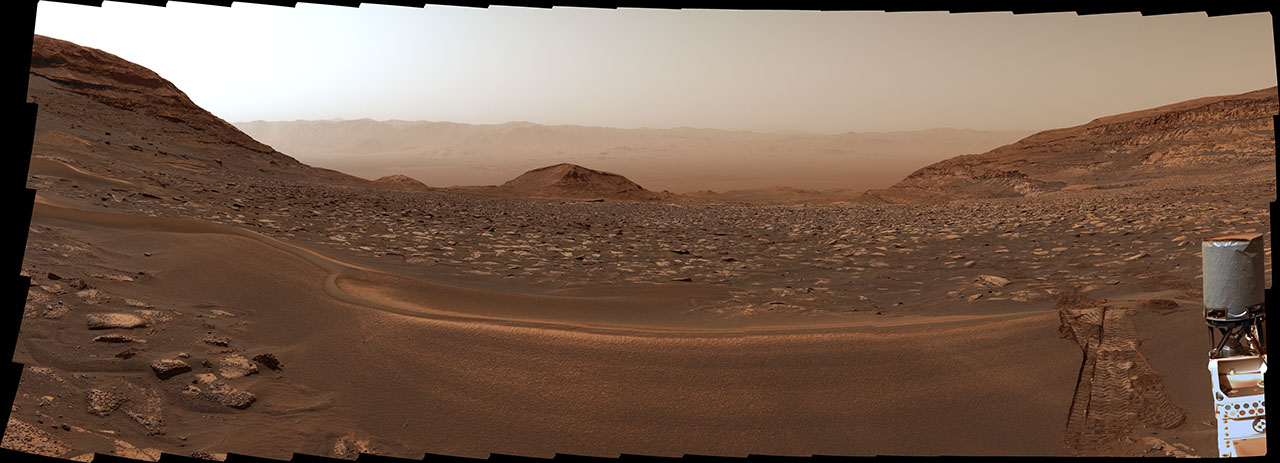
NASA's Curiosity rover looks back after reaching 1-kilometer elevation milestone on Mars
A new image from NASA's Curiosity rover shows the floor of Gale Crater and its distant rim, captured shortly after the rover passed a mission milestone of 1 kilometer in total elevation gain.
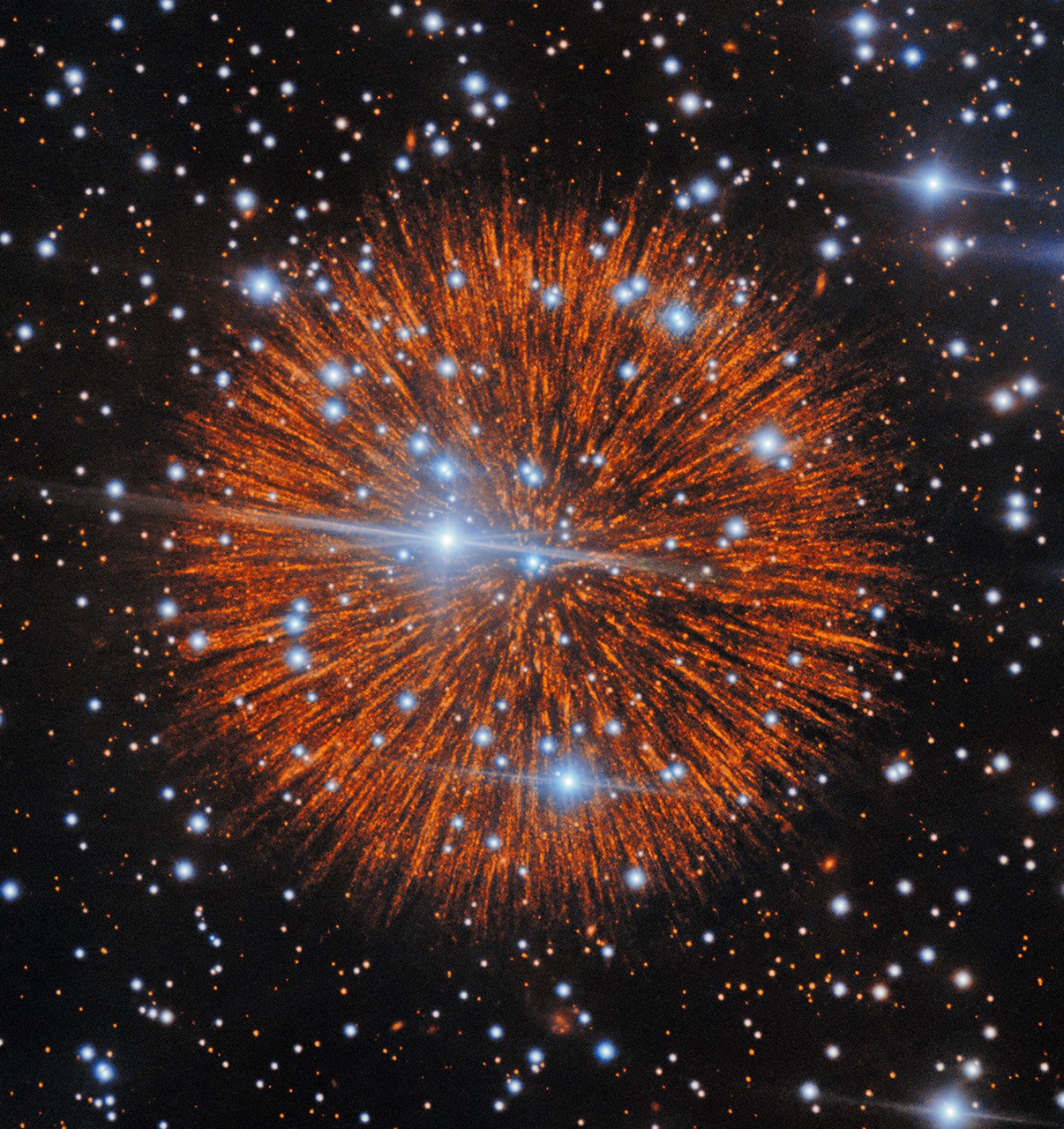
NASA's Astronomy Picture of the Day features supernova remnant Pa 30
The October 7 selection highlights the debris field left behind by a stellar explosion, cataloged as Pa 30.
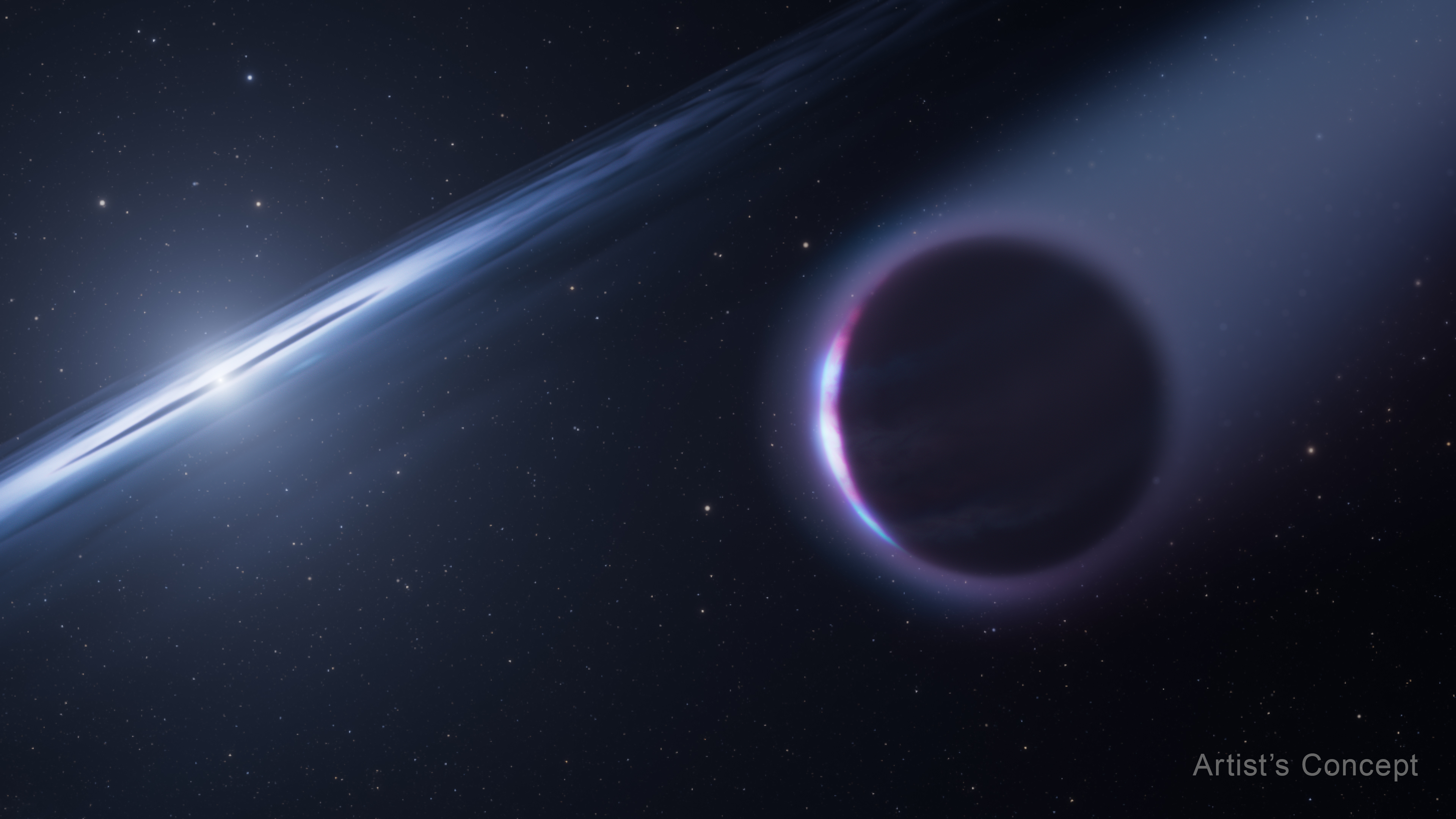
Astronomers find clue suggesting a white dwarf may host a 'second-generation' planet
New Hubble Space Telescope data reveals a chemical signature pointing to a possible second-generation planet orbiting the white dwarf star HS 0209+0832, NASA says.
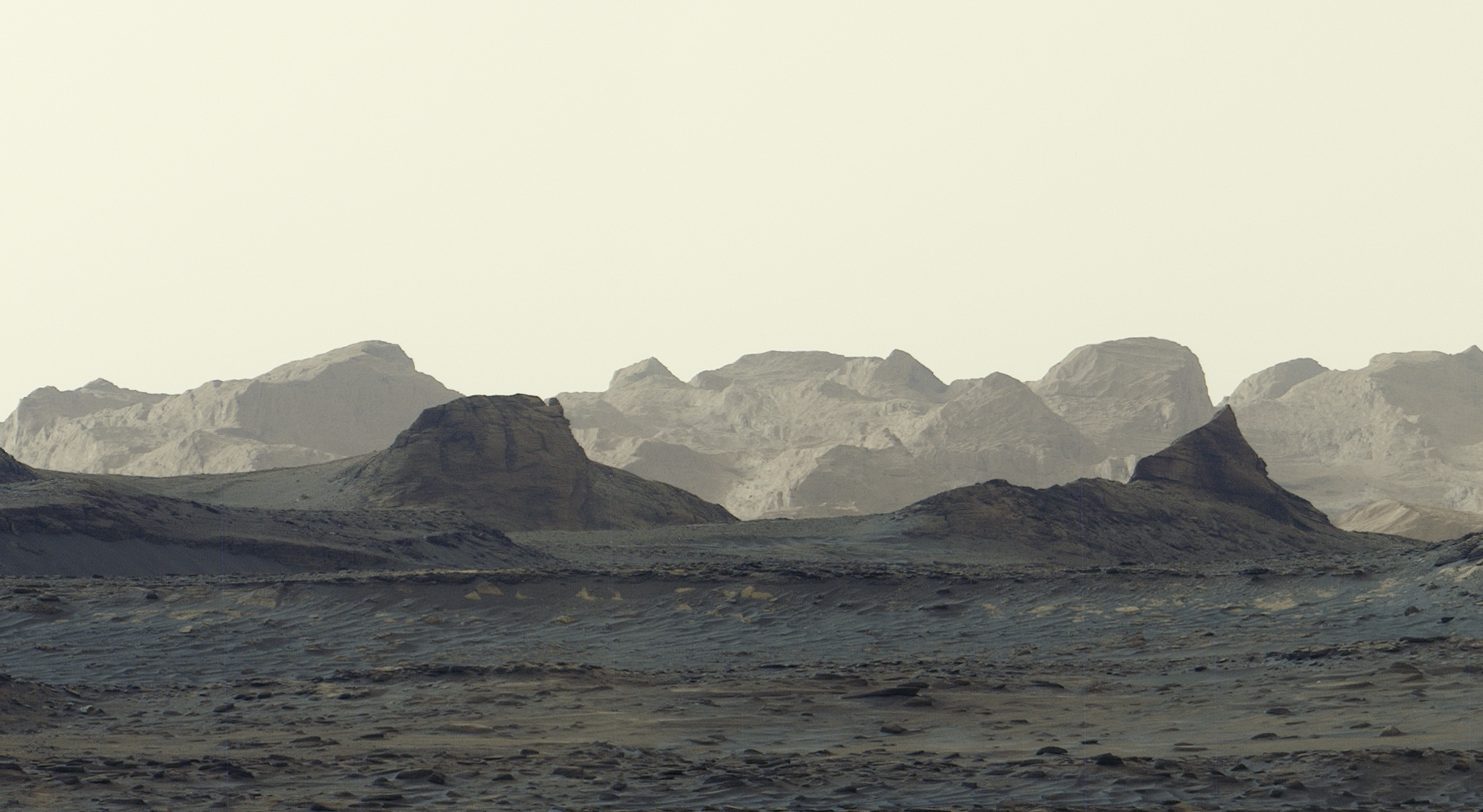
NASA's Curiosity Rover Captures Panoramic View of Martian Dawn
A newly released panorama shows wind-carved Martian cliffs in striking blue hues under early morning light.

Cargo Dragon spacecraft set to launch to ISS no earlier than October 13, NASA says
NASA says the uncrewed cargo spacecraft will deliver more than 2.8 tons of supplies, including material for studying heart tissue growth in microgravity.
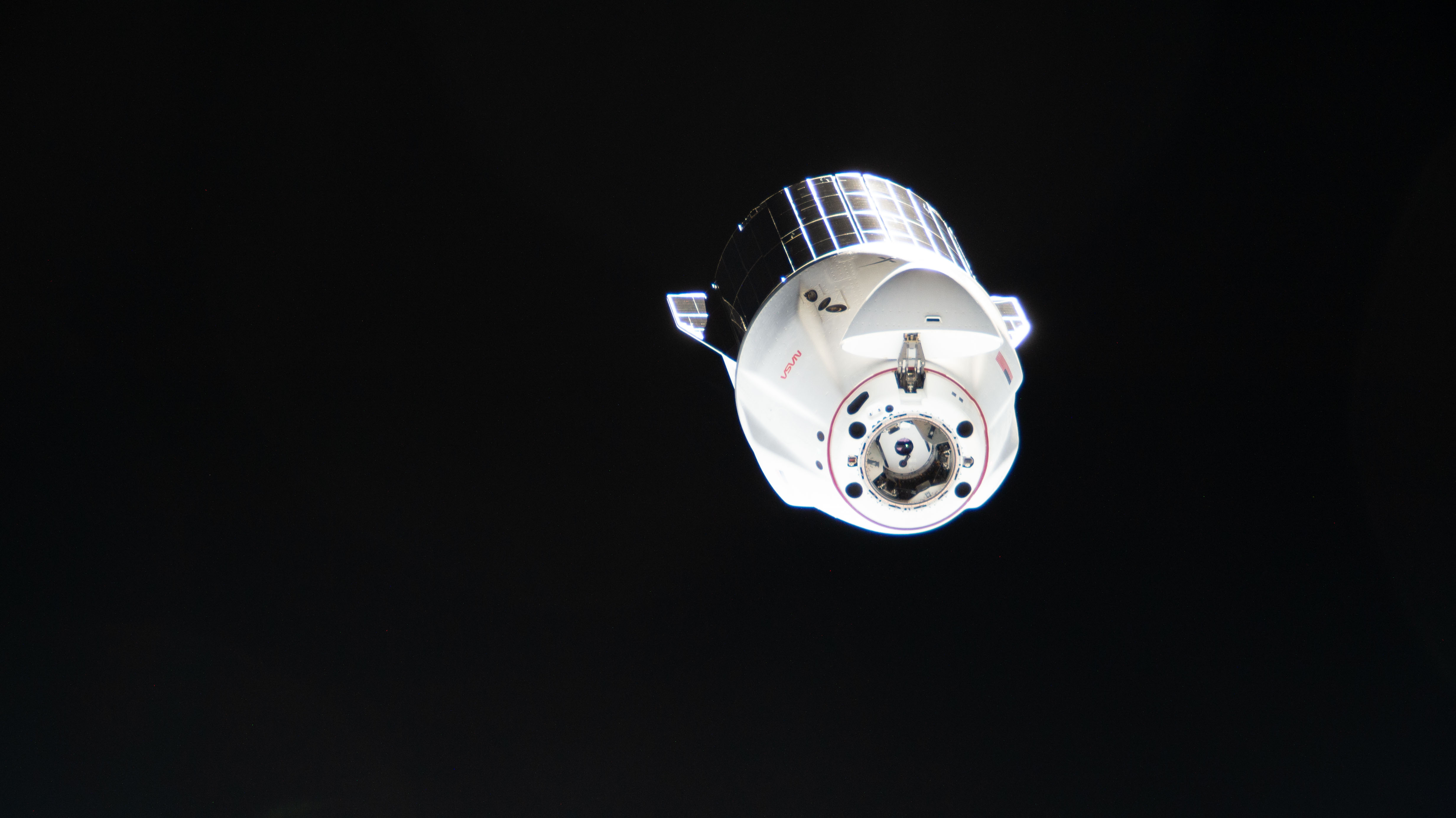
NASA sets coverage for SpaceX's 35th space station resupply launch
NASA and SpaceX are targeting Tuesday, October 13 for the next cargo mission to the International Space Station, which will deliver the final set of Roll-Out Solar Arrays.