UK to Join EU Ocean Science Programme Aimed at Predicting Extreme Weather
Britain will join the EU-led OceanEye initiative to improve forecasting of extreme weather and climate events, as the government seeks closer ties with Brussels.
Britain is set to join a major EU-led ocean science programme called OceanEye, aimed at improving the forecasting of extreme weather and climate events, with the announcement expected to be made in New York.
The initiative focuses on ocean monitoring to help scientists better anticipate climate-related events, an area of growing importance as extreme weather patterns become more frequent and severe worldwide. The UK's participation would mark a new area of scientific cooperation between London and Brussels.
The move comes as part of a broader effort by the British government to rebuild ties with the European Union following years of strained relations after Brexit. Joining an EU-led scientific programme signals a willingness to deepen cooperation in specific technical and research areas even as the wider UK-EU relationship remains subject to ongoing negotiation across other policy areas.
The announcement follows warnings from climate scientists about this year's unusually large El Niño weather pattern, tracked in the Pacific Ocean, which is expected to contribute to more extreme weather globally. Improved ocean monitoring capabilities of the kind OceanEye aims to provide could help governments and agencies better prepare for such events.
Further details on the scope of the UK's involvement in OceanEye, including funding contributions and the timeline for implementation, were not specified ahead of the formal announcement.
Sources
- UK to join EU ocean science scheme aimed at predicting extreme weather — The Guardian — Politics
EGazette summarizes reporting from multiple sources; follow the links for the originals.
Related articles
UK to Join EU Ocean Monitoring Scheme to Build 'Real-Time' Model of World's Oceans
Britain's environment secretary is set to announce UK participation in the EU-led OceanEye programme in New York, as part of efforts to rebuild ties with Brussels.

Super El Niño Could Cause 451,000 Excess Deaths Worldwide, Researchers Say
Extreme heat linked to this year's 'super El Niño' could cause up to 451,000 excess deaths worldwide over six months, with Nigeria, Indonesia, and Sudan among the hardest-hit countries, according to University of Chicago researchers.
Study Finds Current El Nino Could Cause Over 450,000 Heat-Related Deaths
University of Chicago researchers estimate the current El Nino event could cause around 451,000 heat-related deaths, though targeted emergency measures could prevent tens of thousands of them.

Powerful El Nino Could Cause More Than 450,000 Deaths, Scientists Say
Scientists warn a powerful El Nino event could contribute to more than 450,000 deaths, with the heaviest toll expected in poorer, food-insecure countries.

Is Nepal's flood a warning sign for the Himalayas?
Experts are questioning the risks of dam and hydropower construction in the region following the recent Nepal disaster.
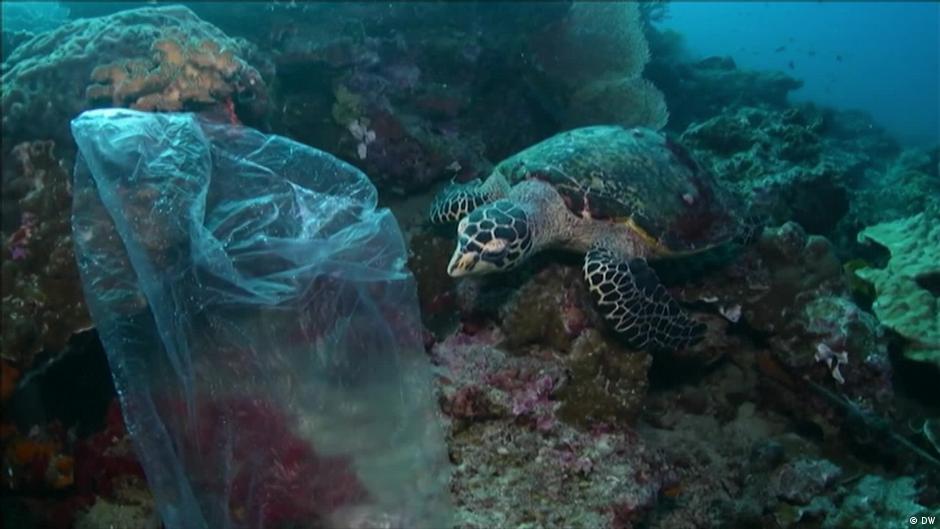
World Falling Behind on 2030 UN Biodiversity Protection Targets, Groups Warn
Nations agreed to protect 30% of Earth's land and sea by 2030, but with the deadline's halfway point reached, campaigners say current protection levels fall well short.
Comments
Loading comments…