Powerful El Nino Could Cause More Than 450,000 Deaths, Scientists Say
Scientists warn a powerful El Nino event could contribute to more than 450,000 deaths, with the heaviest toll expected in poorer, food-insecure countries.
A powerful El Nino event could be linked to more than 450,000 deaths, according to scientists, with the heaviest toll expected to fall on poorer countries.
The report highlights that nations already struggling with food insecurity and high energy costs are likely to be hit hardest by the effects of the climate pattern. El Nino, a periodic warming of the tropical Pacific Ocean, is known to disrupt weather patterns globally, contributing to droughts, floods and other extreme conditions depending on the region.
These disruptions can in turn affect agricultural output and food supplies, compounding existing vulnerabilities in countries that already face economic pressures. The report's projected death toll reflects the cumulative impact of these cascading effects rather than direct casualties from any single weather event.
The findings add to a body of research examining how climate variability intersects with poverty and food insecurity to produce significant humanitarian consequences, particularly in regions with fewer resources to adapt to or recover from extreme weather.
Sources
- Powerful El Nino could cause more than 450,000 deaths, scientists say — Al Jazeera — All
EGazette summarizes reporting from multiple sources; follow the links for the originals.
Related articles
Study Finds Current El Nino Could Cause Over 450,000 Heat-Related Deaths
University of Chicago researchers estimate the current El Nino event could cause around 451,000 heat-related deaths, though targeted emergency measures could prevent tens of thousands of them.

Guardian Investigation Examines Alleged Links Between IPCC Authors and Saudi Oil Industry
A Guardian investigation examines alleged links between IPCC report authors and Saudi Arabia's oil industry, raising questions about the politicisation of climate science.

Belgium Facing Worst Drought in Decades as Water Levels Fall
A significant precipitation deficit is affecting around 80% of Belgium's territory, straining water resources across the country.
Experts say Australia's intergenerational report understates climate change risks
Academics criticize the government's seventh intergenerational report for calling the economic and social effects of climate change by 2066 'highly uncertain'.

Hurricane Polo downgraded but remains 'very powerful' off Mexico's coast
Hurricane Polo has weakened but remains a powerful storm in the Pacific Ocean, fueled by warm waters linked to El Nino.
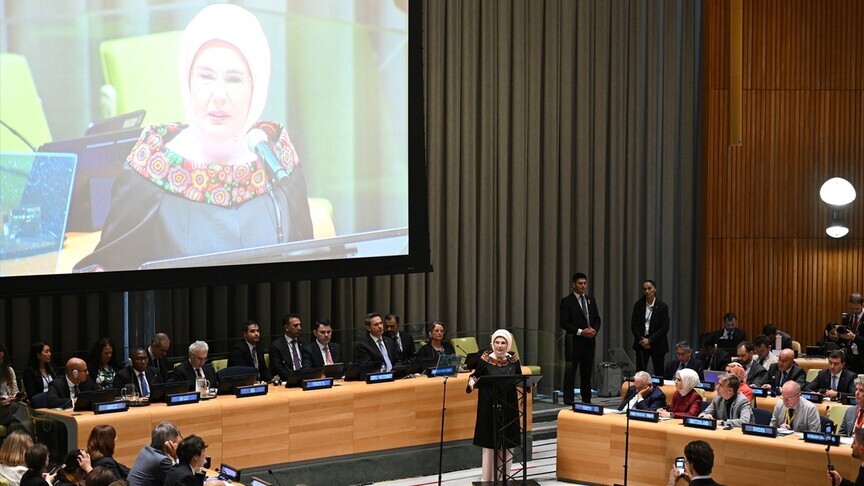
Turkey's First Lady Urges Shift From 'Throwaway Culture' to Sustainable Consumption
Emine Erdogan says a zero-waste approach should be central to the agenda at the upcoming UN Climate Change Conference.
Comments
Loading comments…