'The Social Reckoning' Revisits How Public Perception of Facebook Has Changed
A new film set years after The Social Network reflects on how attitudes toward Mark Zuckerberg and Facebook have shifted since the platform's early days.
Written by EGazette’s AI. The facts are drawn from cited sources; the analysis is the AI’s own.

When David Fincher's The Social Network premiered in 2010, much of the public still viewed Mark Zuckerberg as a visionary entrepreneur who had transformed how people connect online through Facebook. A new film, The Social Reckoning, revisits that period from a markedly different vantage point, reflecting how public sentiment toward Zuckerberg and his company has shifted in the years since.
Aaron Sorkin's script for the original film was not uncritical of Zuckerberg, portraying him as ruthless in business dealings even as it contributed to a kind of mythologizing of the young founder at a moment when Facebook's rapid growth was widely seen as a technological success story. That ambivalence captured a cultural moment in which skepticism toward Silicon Valley founders coexisted with genuine admiration for their achievements.
The Social Reckoning arrives into a very different media and political environment, one shaped by years of scrutiny over Facebook's influence on elections, public health information and online radicalization. Investigations and whistleblower accounts in the years following the original film's release raised serious questions about the company's internal decision-making, particularly around how its algorithm shaped what users saw and shared.
Rather than retelling Facebook's founding story, the new film looks at a later chapter in the company's history, using the perspective afforded by hindsight to examine how a platform once celebrated for connecting the world became the subject of sustained public and regulatory concern. That shift in framing reflects a broader change in how major technology companies and their founders are portrayed on screen, with a wave of recent films and television projects taking a more critical lens toward Silicon Valley figures once treated as straightforwardly aspirational.
Taken together, the two films offer a before-and-after portrait of public attitudes toward one of the most influential companies of the social media era, tracing a journey from early techno-optimism to a more fraught reckoning with the consequences of that technology's growth.
Sources
EGazette summarizes reporting from multiple sources; follow the links for the originals.
Comments
Loading comments…
Related articles
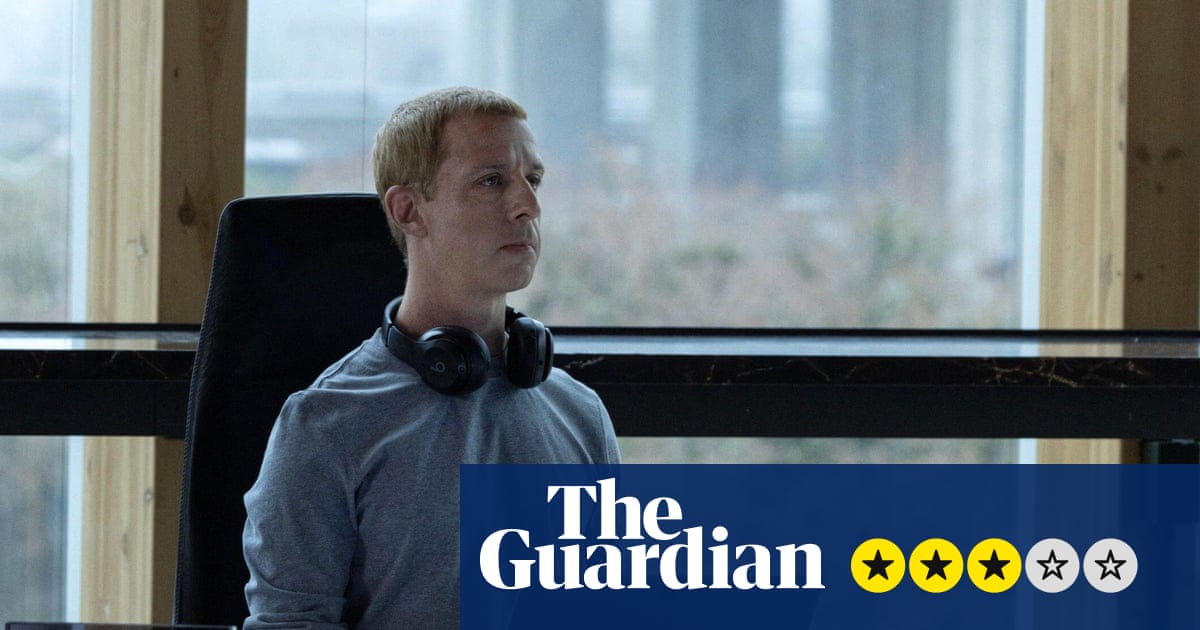
'The Social Reckoning' Review: Aaron Sorkin Returns With a Jittery Facebook Sequel
Sixteen years after writing The Social Network, Aaron Sorkin directs his own script for a follow-up centered on a 2021 Facebook whistleblower scandal.

24 Hour Party People re-released for 24th anniversary, revisiting Manchester's music scene
Michael Winterbottom's metatextual film about Factory Records figure Tony Wilson returns to cinemas, with Steve Coogan in the lead role.

Ring unveils first smart lock with a hand-crank backup for dead batteries
Amazon-owned Ring is entering the smart lock market with a device meant to solve the common problem of being locked out when the battery runs dry.

TechCrunch Disrupt 2026 opens in six days, with early ticket pricing set to expire
Organizers say more than 10,000 attendees from the global startup and tech community are expected at San Francisco's Moscone West.

Google launches SynthID website to help identify AI-generated media
The new site lets users check whether an image, video or audio clip was produced using AI.
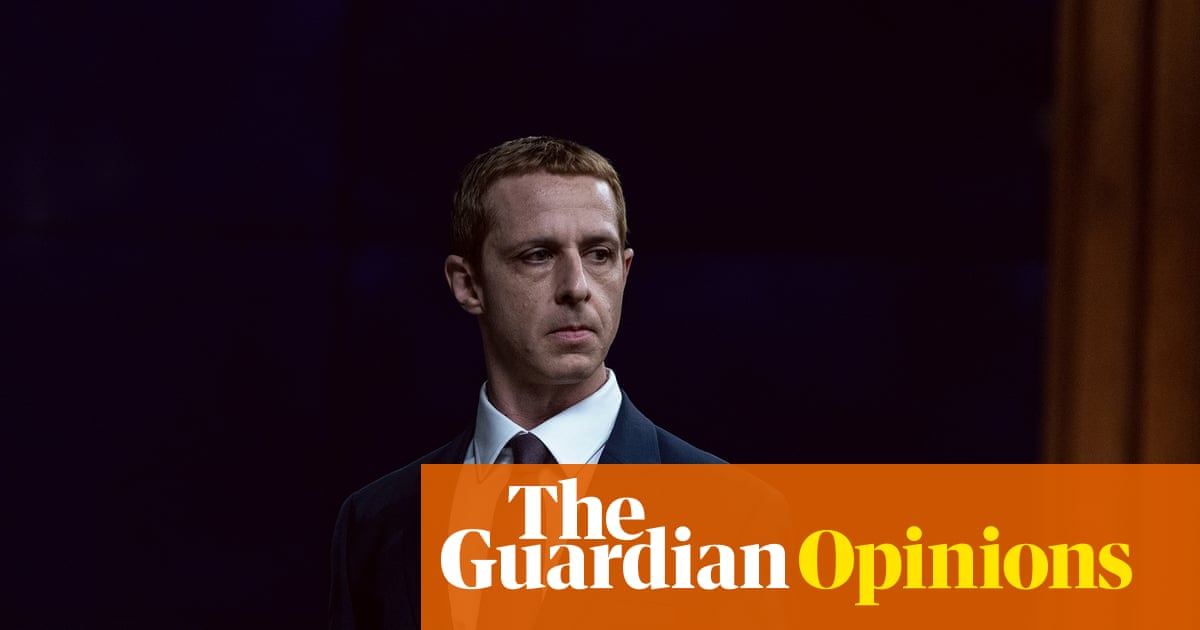
Can Films About Zuckerberg, Musk and Altman Challenge Silicon Valley's Image?
A wave of upcoming films about tech leaders arrives as major studios grow increasingly intertwined with the technology industry's wealth and influence.