Steve Reich turns 90: how his early tape pieces made human voices the music itself
A look back at Reich's 1960s tape works, part of a wider reflection on whether music can ever be truly 'pure'.
Written by EGazette’s AI. The facts are drawn from cited sources; the analysis is the AI’s own.

Composer Steve Reich turned 90 this past weekend, prompting renewed attention to the early tape pieces he created in the mid-1960s, works that remain central to understanding his influence on contemporary music.
Two pieces in particular, "It's Gonna Rain" and "Come Out," grew out of Reich's discovery of what he called micro-canon: playing the same recorded material slightly out of sync with itself, a technique he stumbled upon when two tape machines drifted apart while playing the same recording.
"It's Gonna Rain" uses the voice of Brother Walter, a Pentecostal street preacher recorded in San Francisco in 1965 warning of apocalypse. Reich looped the recording against itself repeatedly, transforming the preacher's voice into a dense wall of sound. "Come Out," made in 1966, used the voice of Daniel Hamm, one of the Harlem Six, a group of Black men wrongly convicted of murder in New York; the piece was originally commissioned as background music for a benefit event raising money for their legal defense.
Reich has said these pieces do more than set words to music; in his own description, they "set human beings," treating vocal recordings as both musical material and a form of political and emotional expression. The techniques involved, including looping and canon, are inseparable from where and how the recordings were made, and whose voices they carry.
Reich's anniversary has become an occasion to revisit these questions, which form part of a broader discussion of whether so-called "pure music" exists, a discussion that also considers other musicians working with similarly human-centered approaches to composition and performance.
Sources
- Only connect: two composers who put humans at the heart of their music, and the conductor who didn’t — The Guardian — Culture
EGazette summarizes reporting from multiple sources; follow the links for the originals.
Comments
Loading comments…
Related articles
Bolshoi Ballet begins major tour of China
The company will perform in Beijing, Nanjing and Shanghai over nearly three weeks.
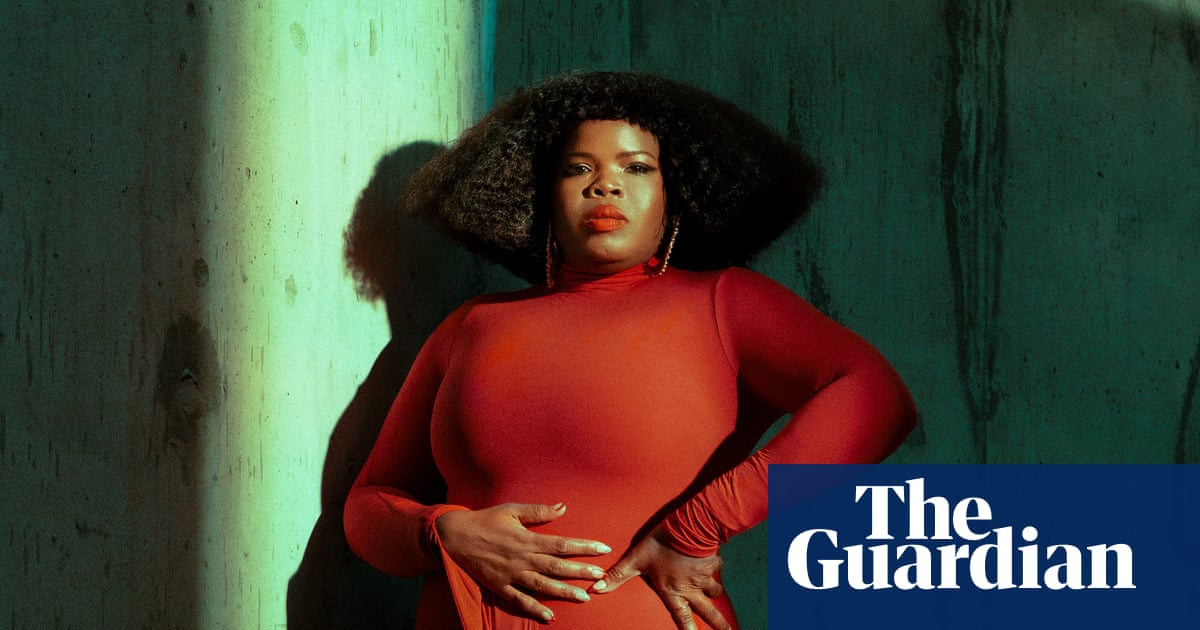
Danielle Ponder on leaving law for music, and surviving what came after
The former public defender turned singer-songwriter reflects on the personal toll of chasing a music career in her 40s.

Melania Trump team sparks controversy over comments about 'Digger' box office flop
An adviser to the first lady posted on social media a comparison about the film's box office performance that drew criticism for its lack of coherence.

Photographer Documents Naples's Femminielli Community in New Visual Project
Roman Manfredi's photography series explores the lives of Neapolitan locals who live outside binary gender expectations, continuing a long local tradition known as femminielli.

Apple TV Adds 'Small Prophets' to Its Expanding 2026 Lineup
The streaming service continues to broaden its range of series as it competes with rivals like Disney and Netflix.
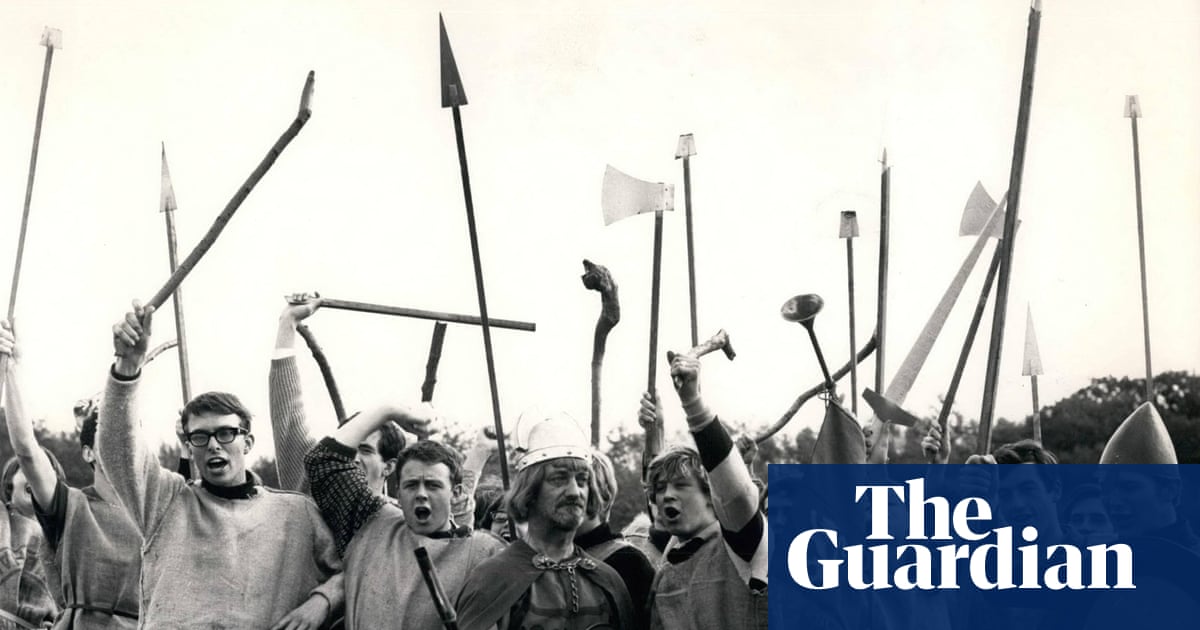
English Heritage Acquires Rare Footage of 1966 Battle of Hastings Re-Enactment
The newly acquired film shows the first known re-enactment of the 1066 battle, featuring a good-natured scuffle between students from Kent and Sussex.