Scientists Who Trust Technology to Solve Climate Change Less Likely to Take Climate Action, Study Finds
A London School of Economics study finds that 'techno-optimist' scientists are significantly less likely to protest, sign petitions, or make lifestyle changes to address the climate crisis.
Written by EGazette’s AI. The facts are drawn from cited sources; the analysis is the AI’s own.
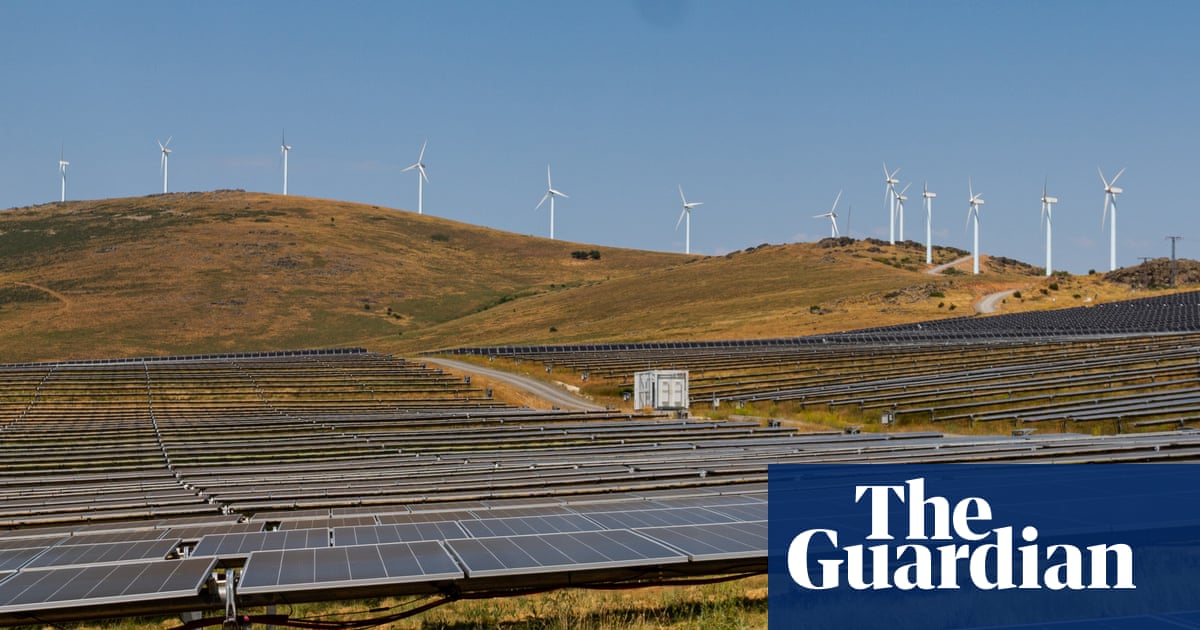
Scientists who believe technology will largely solve the problems caused by the climate crisis are less likely to take part in civic action aimed at addressing the issue, according to a new study from the London School of Economics.
The research found that scientists holding this so-called "techno-optimist" view are 23% less likely to sign petitions or participate in protests compared to peers who are more skeptical that technology alone can resolve the climate crisis.
The study also found that techno-optimist scientists are 18% less likely to make high-impact lifestyle changes, such as reducing air travel or switching to a vegan or vegetarian diet, changes that researchers often cite as among the most effective individual actions to reduce personal carbon footprints.
According to the study's authors, this pattern suggests that strong faith in future technological solutions may lead some scientists to deprioritize the broader societal and behavioral changes that many experts argue are also necessary to address climate change effectively.
The findings raise questions about how beliefs about technology's role in solving the climate crisis might influence not just individual behavior but also broader public engagement and advocacy on climate issues, particularly among figures whose expertise could otherwise support stronger civic action.
Sources
- Scientists who put faith in technology less likely to take climate action — The Guardian — World
EGazette summarizes reporting from multiple sources; follow the links for the originals.
Comments
Loading comments…
Related articles

Rainmakers: how drones are being used to seed clouds
Cloud seeding is drawing renewed attention as countries explore drones as a way to boost rainfall.

Australia's top court blocks coal mine expansion, citing climate harm
Campaigners say the ruling sets a precedent requiring climate damage to be weighed when fossil fuel projects are considered, Al Jazeera reports.
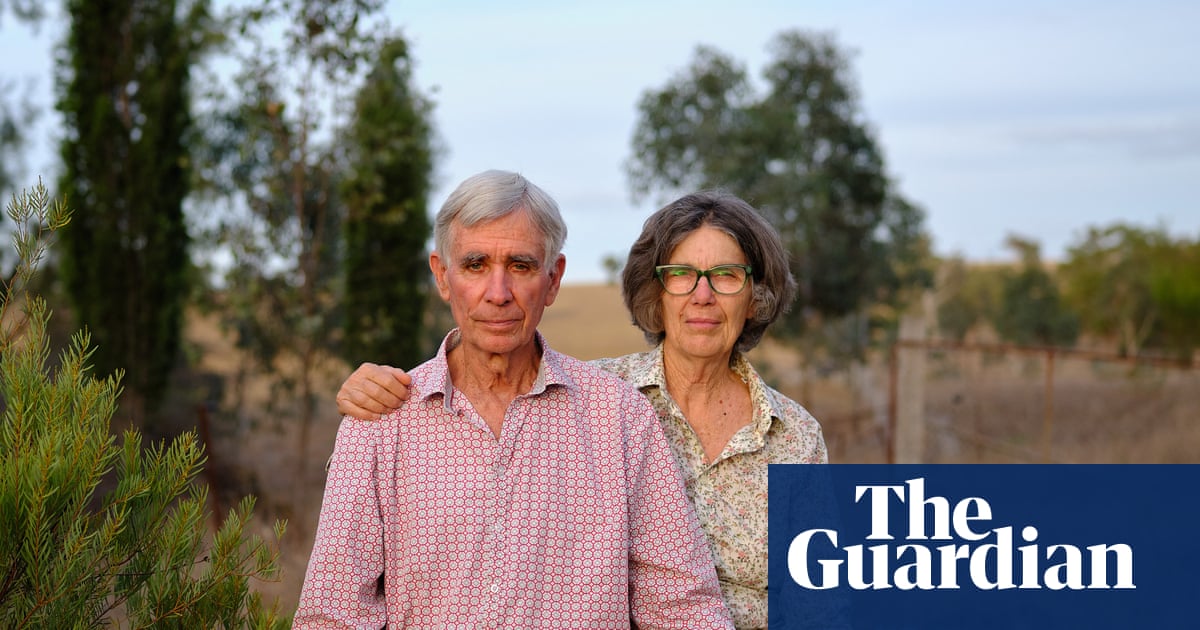
Hunter Valley Community Group Wins Landmark High Court Climate Case
Australia's highest court upheld a ruling against an expansion of the Mount Pleasant coalmine, in a decision advocates say sets a binding national precedent.
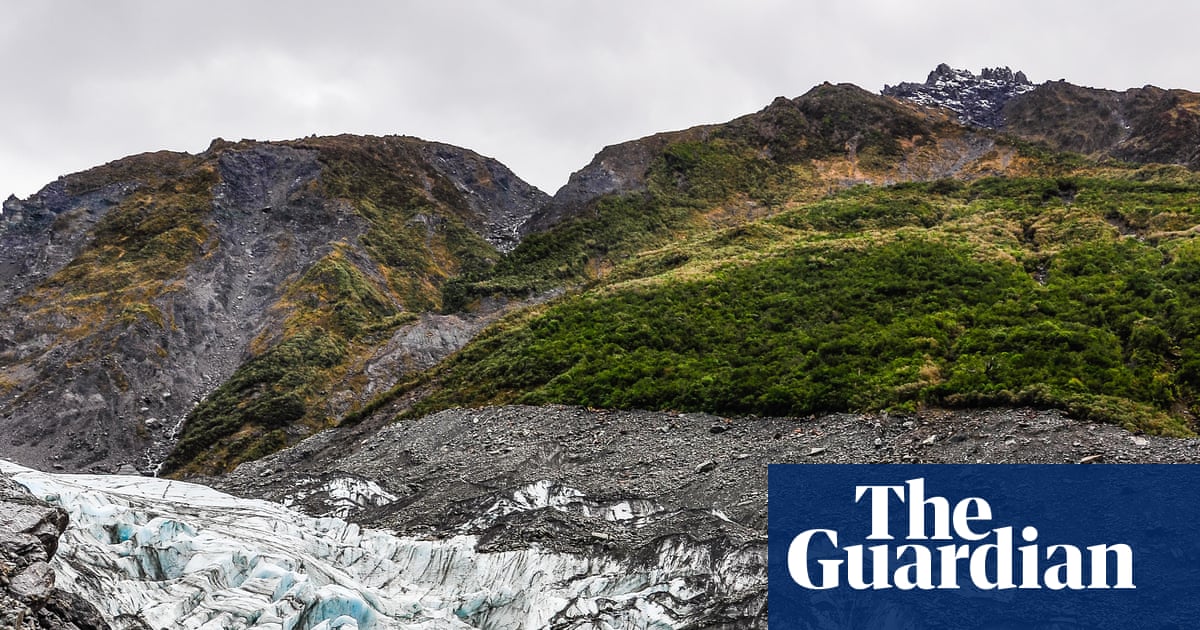
New Zealand greenhouse gas levels hit record highs, report warns of glacier melt risk
A government climate report released Wednesday found rising emissions could bring more frequent heatwaves, storms and cyclones to the country.
Electrification Is the Easy Part of the Climate Equation — Here's the Hard Part
The IEA and climate negotiators are pushing to set a target for shifting much of the global economy onto electricity, but reaching it poses major challenges.

National Trust Warns of 'Tangible' Climate Threat to UK Heritage Sites
A National Trust manager says recent summers have "brought home" the impact of climate change on the organisation's properties.