New Zealand greenhouse gas levels hit record highs, report warns of glacier melt risk
A government climate report released Wednesday found rising emissions could bring more frequent heatwaves, storms and cyclones to the country.
Written by EGazette’s AI. The facts are drawn from cited sources; the analysis is the AI’s own.
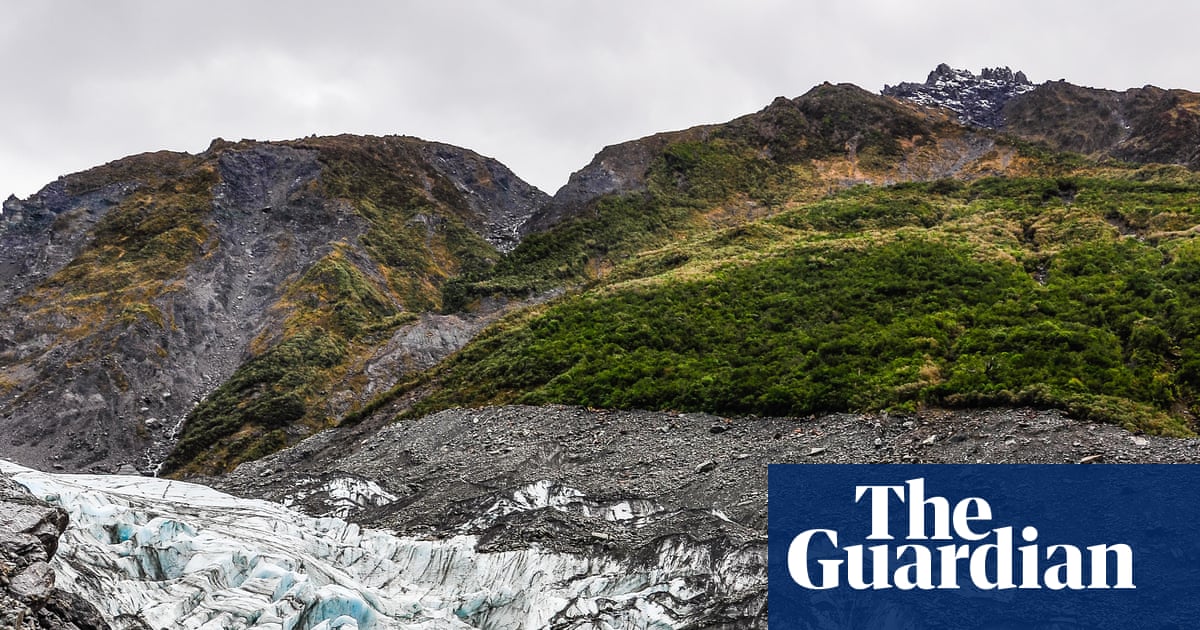
New Zealand's greenhouse gas levels have hit record highs, according to a new government report that warns of mounting climate pressures facing the country.
The report, titled "Our Atmosphere and Climate 2026" and released on Wednesday, found that the country could face more frequent and intense heatwaves, along with damaging storms and cyclones, in the near future.
Among the risks identified in the report is the potential for catastrophic glacier melt, as rising greenhouse gas concentrations continue to affect the climate.
The report outlines wide-reaching consequences for New Zealand's environment, though it does not specify a precise timeline for when the more severe effects might materialize.
The findings add to a broader body of research on climate change impacts in the Pacific region, where island and coastal nations face particular exposure to extreme weather events and rising seas.
Sources
- New Zealand greenhouse gas levels hit record highs threatening catastrophic glacier melts — The Guardian — World
EGazette summarizes reporting from multiple sources; follow the links for the originals.
Comments
Loading comments…
Related articles

National Trust Warns of 'Tangible' Climate Threat to UK Heritage Sites
A National Trust manager says recent summers have "brought home" the impact of climate change on the organisation's properties.

Himalayan monal's calls shift as human activity reshapes its habitat, researchers say
A sharp rise in human activity across the Himalayas is altering how the brightly colored monal pheasant lives and communicates, according to new research.

Field purchase aims to expand urban 'green lung'
The prospective sale is hoped to provide a haven for wildlife in an urban area, according to the BBC.
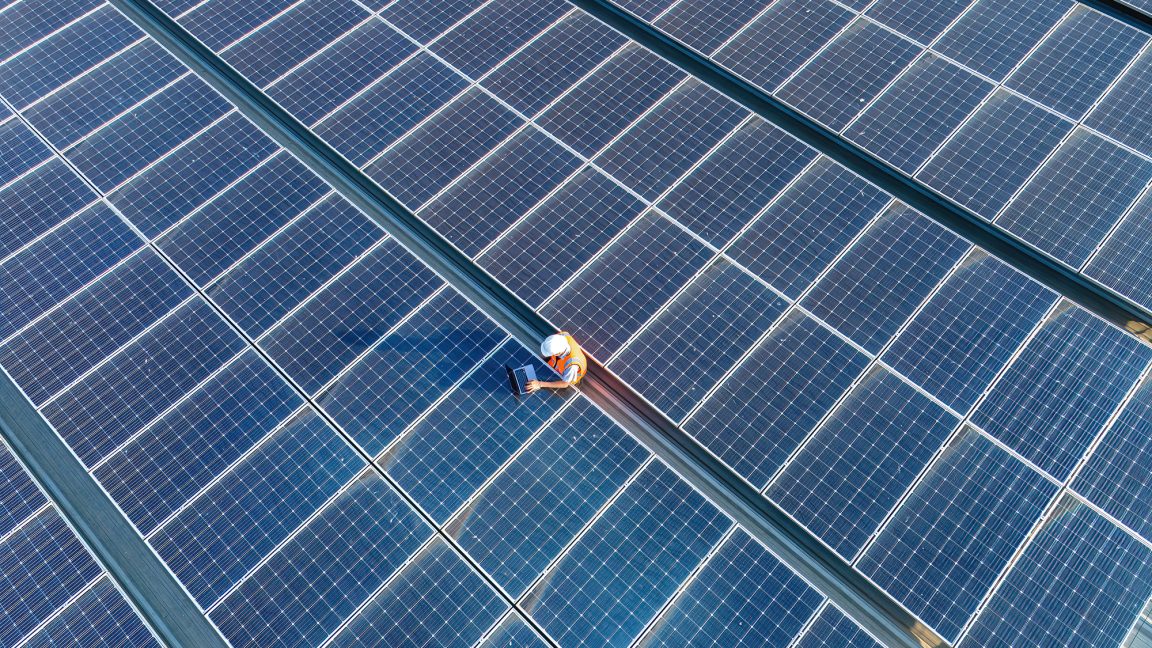
Electrification Is the Easy Part of the Climate Equation — Here's the Hard Part
The IEA and climate negotiators are pushing to set a target for shifting much of the global economy onto electricity, but reaching it poses major challenges.

Woodlands Restoration Project in Southern England Yields More Trees Than Expected
The Lost Woods of the Low Weald and Downs project, which aims to restore ancient woodland in Sussex, has recorded higher-than-anticipated tree numbers.
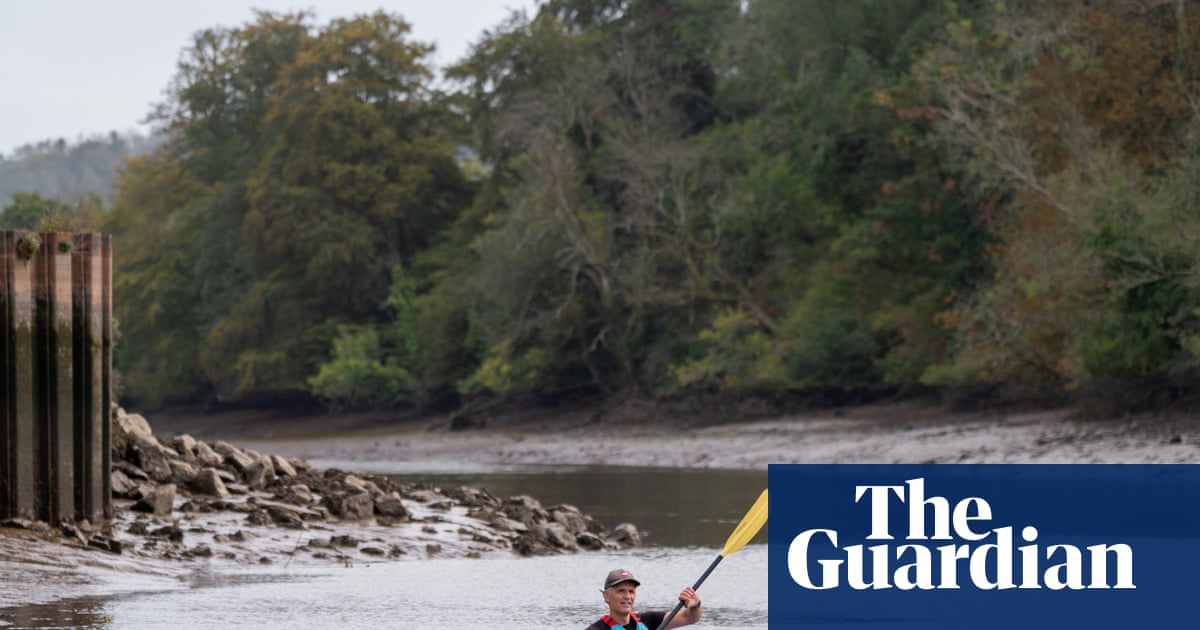
Devon community builds online platform to track River Dart sewage spills
Citizen environmentalists created a real-time tracker highlighting repeatedly polluted spots along the river.