Philadelphia Jury Commissioner Pushes for Mental Health Support for Jurors
Patrick Martin says jurors often endure weeks of disturbing testimony in criminal trials with little to no psychological support afterward, and he is working to change that.

Jurors in criminal trials are often exposed to weeks of graphic testimony and evidence, including details of violent crimes, according to a report by NPR Health. Despite this exposure, many jurors receive no mental health support once their service ends, the report said.
Patrick Martin, the jury commissioner for Philadelphia, is working to address this gap, according to NPR Health. Martin said he has observed how the psychological toll of jury duty can affect people long after a trial concludes.
NPR Health reported that Martin is advocating for the creation of support programs specifically designed for jurors who have served on cases involving disturbing content. The report did not specify the exact structure or funding of such programs, but framed Martin's efforts as part of a broader push to recognize the emotional impact of jury service.
The report highlighted that jurors, unlike some other participants in the criminal justice system, typically do not have access to counseling or debriefing services after a trial ends, even when they have been asked to review evidence such as crime scene photos, autopsy reports, or testimony describing violence.
According to NPR Health, Martin's initiative in Philadelphia could serve as a model for other jurisdictions grappling with similar concerns about juror well-being.
Sources
EGazette summarizes reporting from multiple sources; follow the links for the originals.
Related articles

Ukrainian Artist Seeks Moments of Peace Amid Ongoing Conflict
An opinion piece from Kyiv explores how ordinary life briefly resurfaces in wartime before war's reality returns.

Report Highlights Social Isolation Among Older LGBTQ+ People
A new report cited by the BBC finds older LGBTQ+ individuals face higher rates of social isolation than their heterosexual peers, with some saying they fear their identity is being overlooked.
New Research Reexamines Reliability of Eyewitness Memory in Criminal Cases
Scientific American reports that studies once used to question eyewitness identification are now informing methods to use such testimony more accurately.
Scientists Use Mice With Human Brain Cells to Study Mental Illness
Researchers report transplanting lab-grown human brain cells into genetically engineered mice in an effort to better understand how psychiatric disorders affect human neurons.
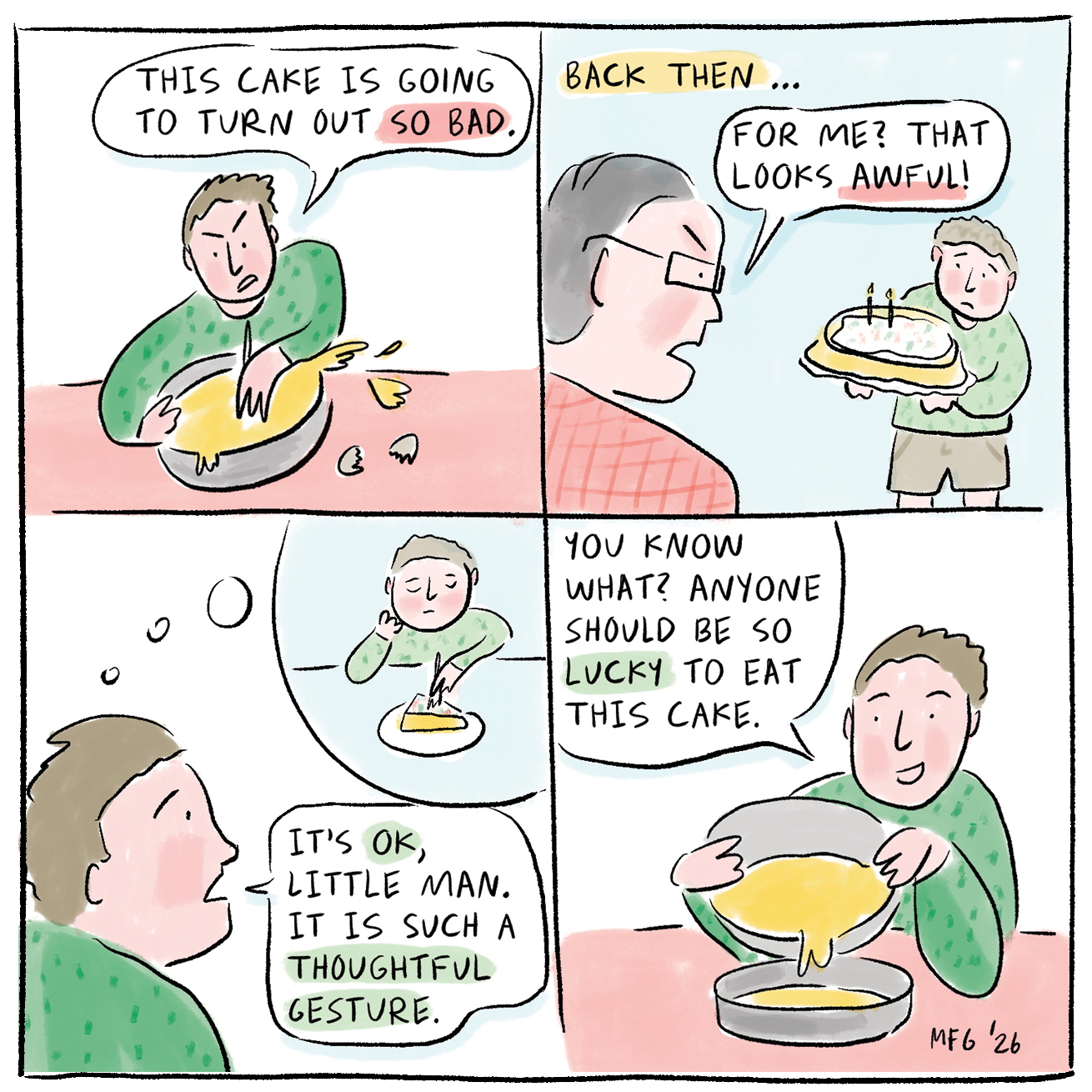
Psychologist Marisa Franco Highlights Memory Technique to Boost Self-Esteem in New Book
NPR reports that psychologist Marisa Franco's latest book explores the benefits of self-esteem and offers a memory-based exercise now available as a printable worksheet.

Putney pusher suspect told family investigation was 'murdering him' before death
Nicholas Brandram, the man suspected in a series of London pushings, died by suicide after telling his sisters the police investigation had left him with 'no fight left.'
Comments
Loading comments…