New Research Reexamines Reliability of Eyewitness Memory in Criminal Cases
Scientific American reports that studies once used to question eyewitness identification are now informing methods to use such testimony more accurately.

Eyewitness testimony has long played a central role in criminal investigations and trials, but for decades researchers have warned that human memory is malleable and can be distorted over time, according to a report published by Scientific American.
The publication notes that studies on the fallibility of memory previously cast significant doubt on the reliability of eyewitness identification in criminal cases. Findings showing how recollections can shift, be influenced by suggestion, or fade with time have been cited in legal and scientific circles as reasons for caution when courts rely on witness accounts.
However, Scientific American reports that newer research is offering a more nuanced picture, revealing conditions under which eyewitness memory can be harnessed accurately. This body of work, according to the report, focuses on understanding the science behind how memories are formed, stored, and recalled, with the aim of improving how investigators and courts assess witness statements.
The report frames this as a shift in the scientific conversation: rather than solely highlighting memory's unreliability, researchers are said to be identifying practices and circumstances that can make eyewitness accounts more trustworthy tools in criminal justice.
Scientific American did not provide further specifics beyond describing the general trajectory of this research in the source material reviewed for this report.
Sources
- What eyewitness accounts tell us about the science of memory — Scientific American
EGazette summarizes reporting from multiple sources; follow the links for the originals.
Related articles
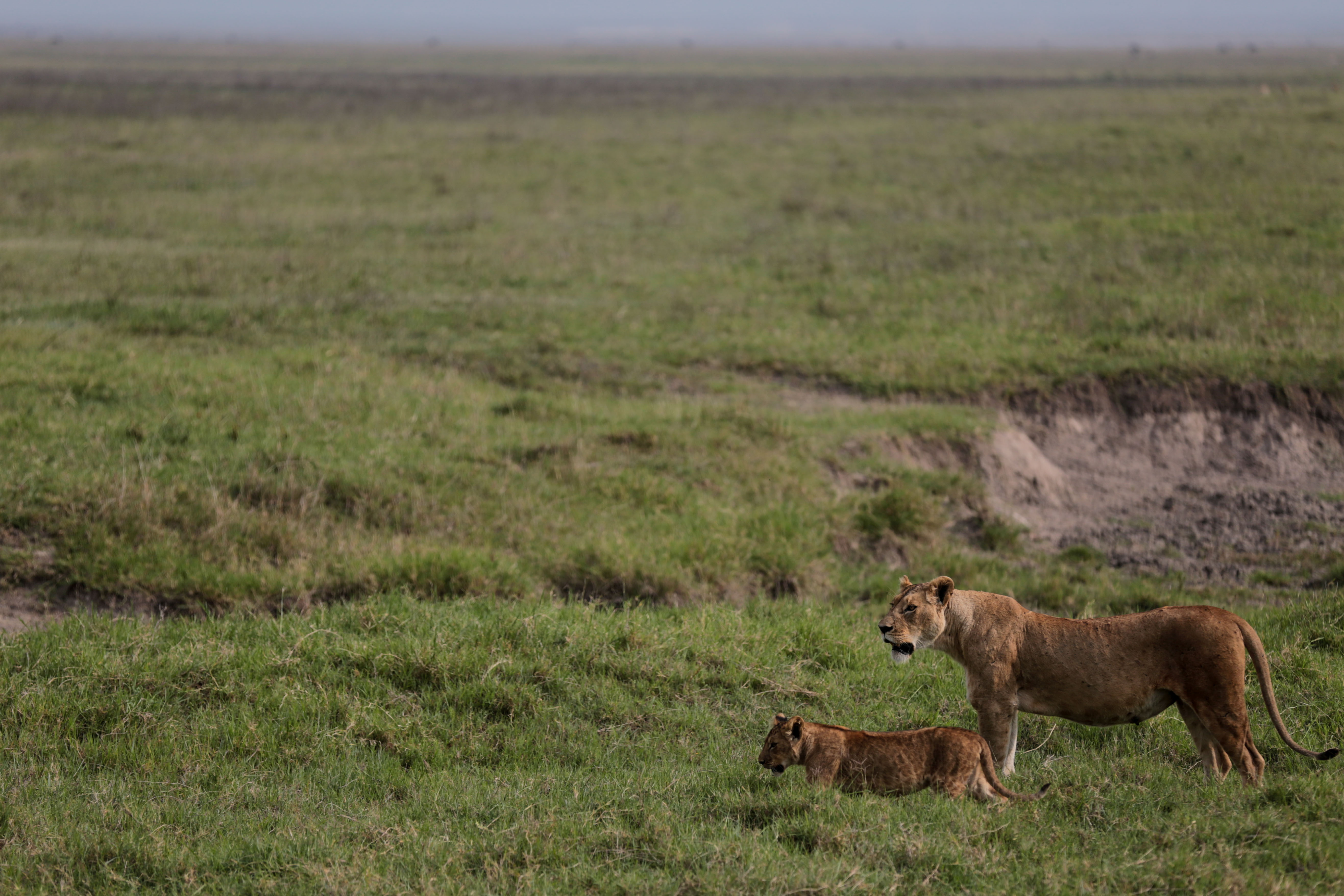
Poison suspected in deaths of ten lions at Tanzania game reserve
The lions were discovered dead in the Ngorongoro Conservation Area, prompting wildlife officials to investigate.
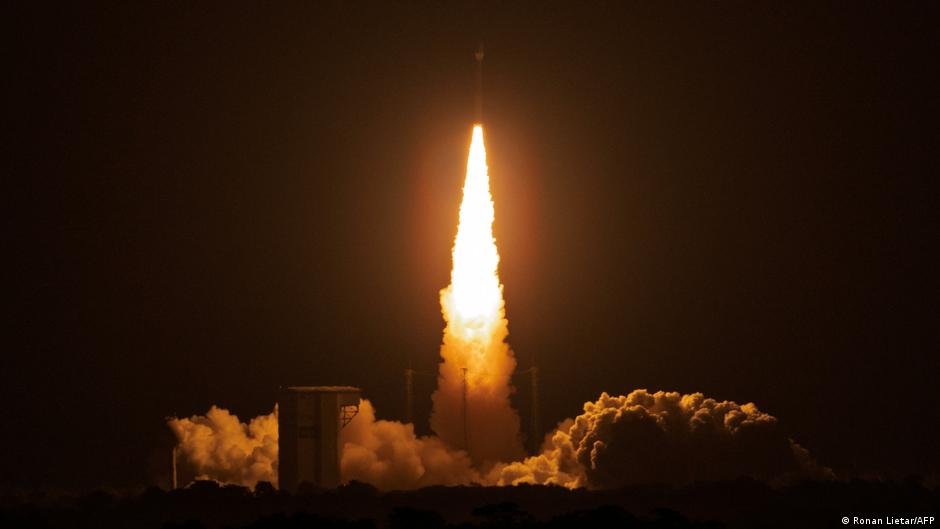
European Space Agency Launches Two Satellites to Monitor Climate Change
The new satellites will help scientists study the effects of climate change, with one instrument dedicated to observing plant life

Exceptional Discovery of Denisovan Fossils in a Southwestern Chinese Cave
Extremely rare remains of these Asian "cousins" of Neanderthals have been unearthed alongside stone tools, shedding new light on their way of life.
Scientific American's October Retrospective Looks Back at Smallpox, Skyscrapers and Racetrack Research
A historical column published by Scientific American revisits science and technology milestones from 50, 100 and 150 years ago, touching on smallpox eradication efforts, skyscraper excavation work and research conducted at racetracks.

NASA's Astronomy Picture of the Day Features Analemma Over Scotland's Callanish Stones
The September 20, 2026 edition of NASA's long-running APOD series highlights a composite image showing the sun's yearly path above the ancient Callanish Stones.

New Archaeological Evidence Points to Hidden Passages Behind Tutankhamun's Tomb
Archaeological study reopens the file on the lost tomb of Queen Nefertiti after detecting indicators of undiscovered chambers and passages behind the walls of the young pharaoh's tomb in the Valley of the Kings
Comments
Loading comments…