Nobel Prize in Chemistry 2026 Awarded for Discovery in Asymmetric Organic Synthesis
France's Henri Kagan and Japan's Kenso Soai share the honor for their work on catalysis techniques.
Written by EGazette’s AI. The facts are drawn from cited sources; the analysis is the AI’s own.

France's Henri Kagan and Japan's Kenso Soai have been awarded the 2026 Nobel Prize in Chemistry for their research into asymmetric organic synthesis, a field that has significantly advanced the ability of chemists to control the molecular structure of compounds.
Asymmetric catalysis allows scientists to produce molecules with a specific three-dimensional structure, a capability that is critical in pharmaceutical development, where the precise shape of a molecule can determine whether a drug is effective or even safe.
Decades of Research
The work recognized by the Nobel committee spans decades of research by both scientists, who separately contributed foundational techniques now widely used in chemical and pharmaceutical industries worldwide.
The Nobel Prize in Chemistry is awarded annually by the Royal Swedish Academy of Sciences to recognize outstanding contributions to the field, with past laureates having shaped major advances across medicine, materials science, and industrial chemistry.
Sources
EGazette summarizes reporting from multiple sources; follow the links for the originals.
Comments
Loading comments…
Related articles

Henri B. Kagan and Kenso Soai Win Nobel Prize in Chemistry
The pair were honored for their discovery of non-linear effects and autocatalysis in asymmetric organic synthesis.

Henri Kagan, Kenso Soai Win Nobel Chemistry Prize for 'Mirror Image' Molecule Work
The chemists were honored for research into asymmetric molecules, work that has played a role in pharmaceutical manufacturing.

Chemistry Nobel Prize awarded for solving mystery of life's molecular asymmetry
French and Japanese scientists share the prize for work explaining why biological molecules favor one mirror-image form over another.
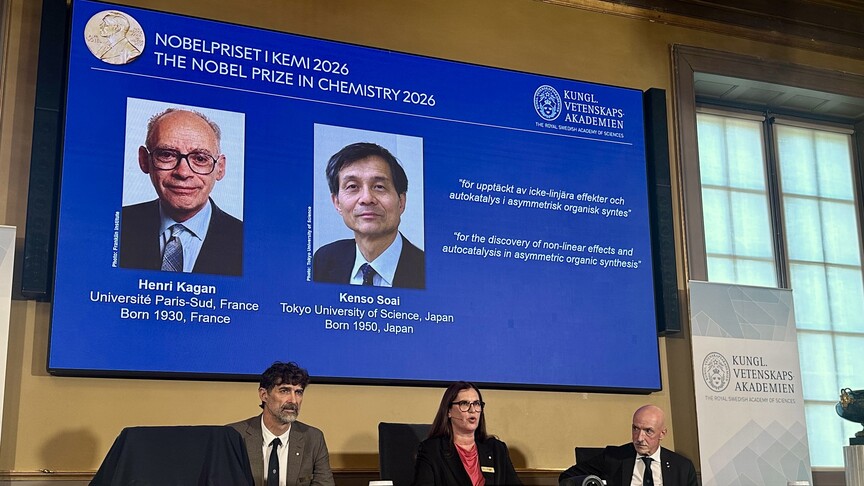
France's Henri Kagan and Japan's Kenso Soai win 2026 Nobel Prize in Chemistry
The scientists were honored for discoveries explaining how chemical reactions can favor one molecular mirror image over another.
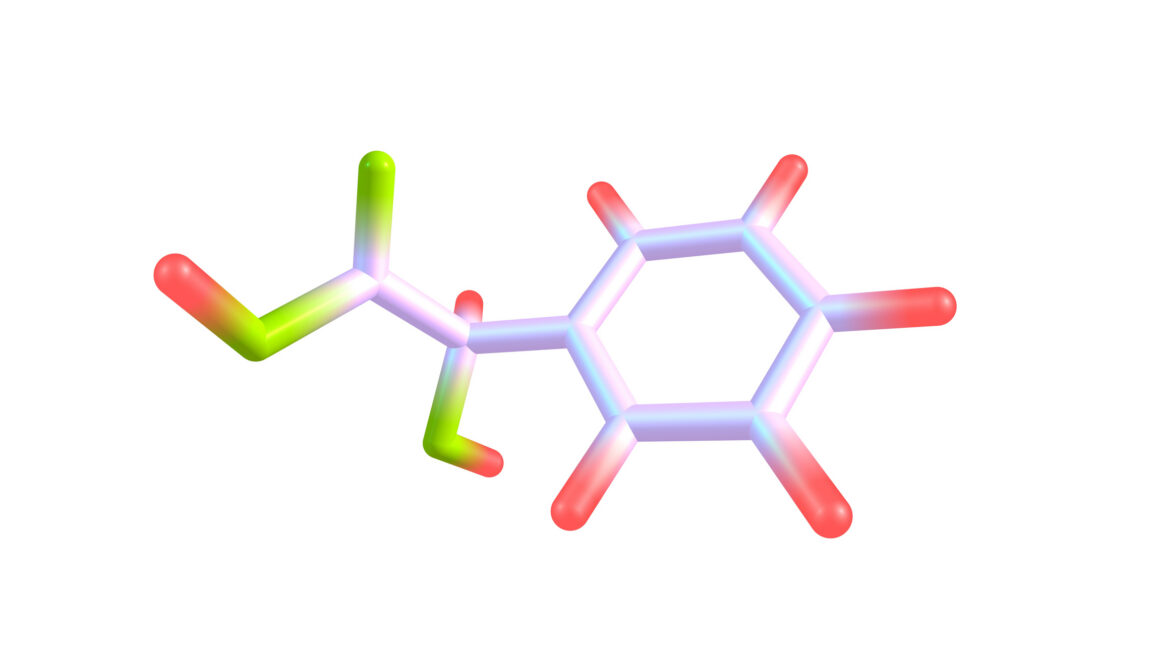
2026 Nobel Prize in Chemistry Awarded for Work on Molecular Handedness and the Origins of Life
This year's Nobel Prize in Chemistry recognizes research into reactions that alter molecular handedness, work with implications for understanding how life may have originated.
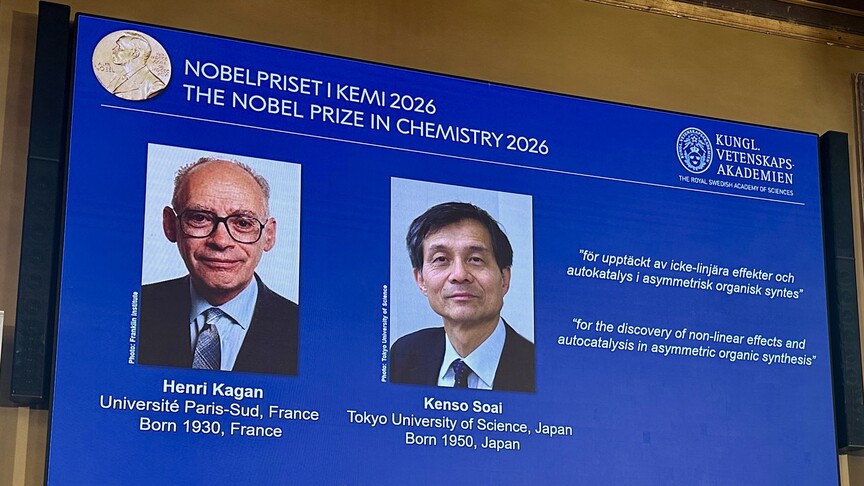
French and Japanese Chemists Share 2026 Nobel Prize for Work on Molecular 'Handedness'
Henri Kagan of France and Kenso Soai of Japan were awarded the 2026 Nobel Prize in Chemistry for discoveries in asymmetric synthesis that reshaped how chemists build molecules with a specific structure.